
Flowers
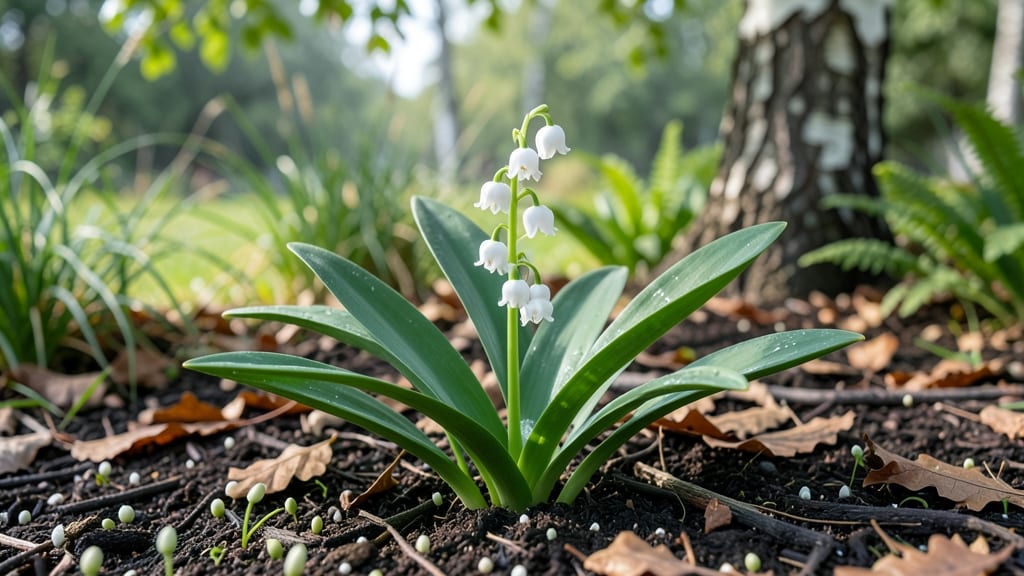
Lily of the valley flowers bloom in early to mid-spring 🌸, a delicate dance with the seasons that gardeners eagerly anticipate.
If you’ve ever waited eagerly for those bell-shaped blooms—only to be left wondering why they’re late—you’re not alone. This fragrant perennial follows a precise schedule tied to climate, sunlight, and even soil conditions, making timing everything.
In USDA Zone 6a and beyond, blooms typically appear between April and May, though cooler regions may see them as late as June. The key? A balance of partial shade and consistently moist soil, which keeps the plant happy and on schedule.
Below, I’ll break down the exact months by zone, the hidden triggers that can speed up or delay blooms, and what to do if your Lily of the Valley seems to be taking its sweet time.
Lily of the valley blooming schedule by USDA zones: exact months & climate factors
Lily of the valley (Convallaria majalis) is one of spring’s most anticipated blooms, but its timing varies dramatically depending on your USDA zone.
In cooler zones like 3-5, these fragrant flowers often arrive as early as late April, while gardeners in zones 8-9 may see them as late as June. The key factors? Daylight hours, soil temperature, and last frost dates all play critical roles.
Unlike many perennials, lily of the valley doesn’t bloom on a strict calendar—it’s triggered by chilling requirements and increasing daylight. This means your local climate dictates whether you’ll get early spring blooms or a delayed show.
For example, a Zone 6 garden might see flowers in May, while a Zone 9 garden could wait until late May or early June.
Here’s how to predict bloom times in your area, plus climate-specific tips to encourage earlier—or more reliable—flowering.
In USDA zones 3-4, lily of the valley often blooms 4-6 weeks earlier than in warmer zones because the plants experience longer winter chilling periods. For example, in Zone 4 (like Minneapolis or Buffalo), expect blooms by late April if your soil has warmed to 45°F.
Meanwhile, in Zone 9 (such as Los Angeles or San Diego), the plants may wait until May or June because they lack sufficient winter chill.
The daylight hours also shift bloom timing. Lily of the valley is a long-day plant, meaning it responds to increasing daylight. In northern zones (3-5), blooms appear when days reach 12-14 hours, often in April or early May.
In southern zones (7-9), the plants need 14-16 hours of daylight, delaying blooms until late spring.
Another critical factor is soil temperature. Lily of the valley rhizomes need soil temps of at least 50°F to break dormancy. In Zone 6 (e.g., Chicago or Denver), this typically happens by mid-April, triggering blooms by May.
In contrast, Zone 8 (like Atlanta or Dallas) may not see ideal soil temps until late April, pushing blooms to June.
If you’re in a warmer zone (8-9) and want earlier blooms, try planting in partial shade to cool the soil slightly. In cooler zones (3-5), mulch with straw or leaves to protect rhizomes from late frost, which can damage emerging flowers.
Both adjustments can shift bloom timing by 1-2 weeks.
One common misconception is that lily of the valley blooms annually. While mature plants often do, younger plants (under 3 years old) may skip blooming entirely. This is normal—focus on establishing healthy foliage first. Once established, your plants will follow the zone-specific schedule reliably, year after year.
For gardeners in transition zones (6-7), like parts of Virginia or Oklahoma, blooms can be unpredictable due to variable winters
Hidden triggers that speed up or delay lily of the valley blooms (and how to control them)
Your lily of the valley's blooming schedule isn't set in stone—it responds to subtle cues you might overlook. While late spring is the typical window, soil conditions and light exposure can shift that timeline by weeks. Understanding these hidden triggers lets you nudge your plants toward earlier—or more reliable—blooms.
For example, acidic soil (pH 6.0-7.0) fuels faster growth, while alkaline conditions can leave your plants struggling. Even watering habits play a role—overhead watering spreads fungal risks, while deep root soaks encourage robust foliage that supports more blooms.
- Soil pH: 6.0-7.0 triggers faster blooms; test and amend with sulfur if needed.
- Sunlight: Morning sun (2-4 hours) speeds blooms; avoid hot afternoon exposure.
- Watering: Deep soaks (1-2x/week) prevent stress; avoid soggy soil.
- Dormancy: Fall mulch (2-3 inches) protects roots and primes spring blooms.
- Fertilizer: Balanced 10-10-10 in early spring boosts flower production.
One of the most overlooked factors is dormancy management. Lily of the valley needs a cool winter rest to reset its blooming cycle. If you live in a mild climate, simulate dormancy by reducing water in late fall and adding a 2-inch mulch layer to protect roots.
This small step can advance blooms by 2-3 weeks the following spring.
Light exposure also plays a surprising role. While these plants thrive in partial shade, too little light delays blooming. Place them where they receive morning sunlight (6 AM–10 AM) and afternoon shade.
If your garden lacks this setup, consider a light-colored wall nearby to reflect extra brightness without overheating the foliage.
For faster results, combine these triggers: amend soil with compost, water deeply in the morning, and fertilize lightly in early spring.
With these adjustments, you can coax earlier blooms—sometimes as much as 3 weeks ahead—while keeping your lily of the valley healthy and vibrant for years to come. 🌸