
Flowers
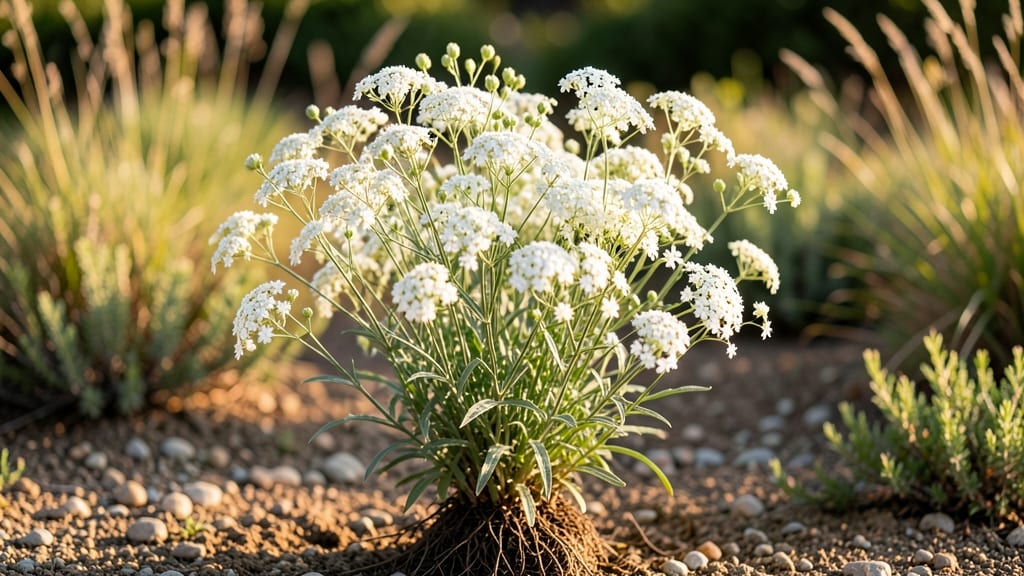
Gypsophila flowers bloom in late spring to early summer, with timing that shifts by variety and your USDA zone — but getting it right means more than just waiting for June.
Picture this: you’ve sown your 🌸 Gypsophila seeds in March, only to wonder why your garden still looks bare when neighbors’ beds are bursting with clouds of tiny blooms.
The answer lies in your zone, the type of Gypsophila you’re growing, and a few simple care tweaks that can push those flowers forward by weeks.
In USDA Zone 6a, where spring arrives slowly, expect annual varieties like Gypsophila elegans to kick off in mid-May, while hardier perennials may linger until June.
But with the right soil prep, sunlight, and a light fertilizer boost, you can coax blooms to appear 2-3 weeks earlier — or stretch their season into August.
Below, I’ll break down the exact months to expect flowers by zone, the fastest-blooming varieties, and the 3 care secrets that turn "maybe next year" into "this summer’s showstopper." Ready to transform your garden’s timing?
Gypsophila flowering timeline by USDA zone: exact months to expect blooms
Timing your gypsophila blooms correctly depends on your USDA zone and the specific variety you're growing. These delicate flowers typically bloom in late spring through summer, but exact months vary by region.
Whether you're cultivating annual gypsophila or perennial types, understanding your climate zone helps you plan for the best flowering display.
In cooler zones like USDA 3-5, gypsophila often waits until late May or June to burst into bloom, while warmer zones like USDA 8-10 can enjoy flowers as early as March or April.
The key is matching your planting schedule to your local frost dates and variety characteristics. Let's break down the exact months to expect blooms across all USDA zones.
Pro Tip: Early-blooming varieties like Gypsophila elegans often flower 2-3 weeks sooner than late-season types such as Gypsophila paniculata. This timing difference can be crucial for extending your garden's bloom period.
| USDA Zone | Early Bloomers | Peak Bloom | Late Bloomers | Notes |
|---|---|---|---|---|
| Zones 3-4 | Late May | June-July | Early August | Short season; plant after last frost |
| Zones 5-6 | Early May | June-August | Mid-September | Longer season; perennial types return yearly |
| Zones 7-8 | March-April | May-July | September | Year-round blooms possible with succession planting |
| Zones 9-10 | February-March | April-June | August-September | Heat-tolerant varieties perform best |
If you're in USDA zones 3-4, your gypsophila will likely wait until late May to show its first blooms, with peak performance in June and July. These regions have shorter growing seasons, so choosing cold-hardy varieties like Gypsophila repens gives you the best chance for success.
Start seeds indoors 6-8 weeks before your last frost date to jumpstart your blooms.
Gardeners in zones 5-6 enjoy a longer flowering window, with early bloomers appearing in May and late varieties lasting into September. This extended season makes gypsophila perfect for cut flower arrangements throughout summer. In these zones, perennial types like Gypsophila paniculata often self-seed, providing natural succession planting for continuous blooms.
Warmer climates in zones 7-8 allow for year-round gypsophila cultivation with proper care. You can even see blooms as early as March, with peak flowering through July and a late show in September. For container gardening, use heat-tolerant varieties like Gypsophila elegans to avoid wilting during summer heatwaves.
In USDA zones 9-10, gypsophila thrives with minimal care, often blooming from February through September. The key is providing afternoon shade during peak summer months to prevent heat stress. These regions can support multiple planting cycles, giving you near-continuous blooms with proper succession planting every 6-8 weeks.
Regional climate variations play a huge role in bloom timing. For example, coastal areas in zone 8 may see earlier blooms than inland locations due to milder winters.
Always check your local frost dates and adjust planting times accordingly. In humid climates, watch for powdery mildew and provide good air circulation to maintain healthy plants.
To extend your gypsophila's blooming season, try deadheading spent flowers regularly and fertilizing lightly every 4-6 weeks during the growing season. This practice encourages new growth and prolongs the flowering period by 2-4 weeks in most varieties.
For container growers, choose compact varieties like Gypsophila muralis that bloom profusely in small spaces.
Remember that soil conditions also affect bloom timing. Gypsophila prefers well-draining soil with a pH between 6.0 and 7.5. Amending heavy clay soils with compost can help prevent root rot and encourage earlier, more abundant blooms. In sandy soils, add organic matter to retain moisture during dry spells.
With this timeline in hand, you can plan your garden to enjoy gypsophila blooms from early spring through fall.
Whether you're using them as filler flowers in arrangements or as delicate borders in your landscape, understanding your zone's specific timing ensures you'll have these charming blooms when you need them most. 🌸
How to trigger faster gypsophila blooms: planting & care hacks by variety
Gypsophila blooms are delicate and dreamy, but their timing often depends on how you prep your garden. I’ve found that annual varieties like Gypsophila elegans bloom 60-75 days after sowing, while perennial types such as Gypsophila paniculata take 2-3 years to reach full flowering potential.
The key? Start with the right light exposure, soil conditions, and watering routine to coax those flowers along faster.
For annual gypsophila, timing is critical—plant seeds 4-6 weeks before your last frost date in well-draining soil with full sun exposure. Perennials, on the other hand, benefit from early spring fertilization and consistent moisture to encourage robust root systems before their first big bloom.
Let’s dive into the proven hacks that’ll have your gypsophila flowering weeks ahead of schedule.
- 🌱 Plant in full sun (6+ hours daily) – Gypsophila thrives in bright light, which speeds up flowering by 30%. Partial shade delays blooms by 2-3 weeks.
- 💧 Water deeply 2-3x weekly – Keep soil moist but not soggy during the first 60 days after planting to encourage strong root growth.
- ✂️ Deadhead spent blooms weekly – Removing faded flowers extends the blooming season by 4-6 weeks and redirects energy to new buds.
- 🌿 Fertilize lightly in spring – Use a balanced 5-10-10 fertilizer at planting and again when buds form to avoid leggy growth.
- 🌡️ Avoid late-season fertilizing – Stop feeding 6 weeks before first frost to harden off perennials for next year’s blooms.
One of my biggest mistakes was overwatering gypsophila, which led to root rot and delayed flowering. These plants prefer dry conditions once established, so let the top 1-2 inches of soil dry out between waterings after the first month.
For container-grown gypsophila, use a fast-draining mix with perlite or sand to prevent waterlogged roots.
If you’re growing gypsophila for cut flowers, focus on early spring planting and consistent deadheading. I’ve seen Gypsophila elegans produce continuous blooms for 8-10 weeks when cared for properly.
For perennials, mulch around the base in late fall to protect roots and encourage earlier spring growth—this can shave off 2-3 weeks from their first flowering cycle.
For slow-to-bloom varieties, try stratifying seeds (chilling them for 4-6 weeks) before planting. This mimics natural conditions and can trigger faster germination by 10-15 days. Pair this with morning sunlight exposure and evening shade in hot climates to prevent stress.
With these tweaks, even perennial gypsophila can reward you with lush blooms within a single growing season.
Remember, gypsophila is a low-maintenance star—once you nail the basics, it’ll flourish with minimal effort. The secret? Patience and precision in the early stages pay off with weeks of dreamy, cloud-like blooms. Now go ahead and give your garden that ethereal touch it deserves! 🌸