
Flowers
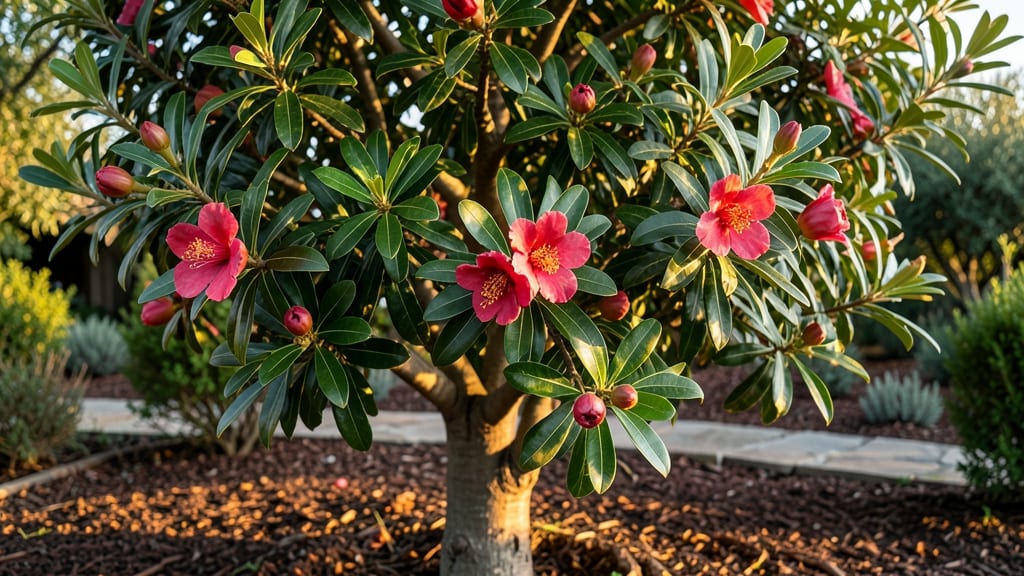
Pomegranates flower in late spring to early summer 🍇, when the days grow long and warm enough to trigger those iconic red blooms.
If you’ve ever wondered why your pomegranate tree isn’t blooming—or when to expect those stunning red flowers—timing is everything. Understanding the seasonal triggers and USDA zone-specific blooming periods can mean the difference between a lush harvest and a bare branch.
In USDA Zones 7-11, most varieties burst into bloom between May and June, though cooler microclimates may push flowers into July. The key? Warmth, sunlight, and a little patience—your tree knows exactly when to wake up.
Below, I’ll break down the month-by-month blooming timeline by zone, the 5 factors that speed up (or delay) flowers, and how to coax your pomegranate into its best floral show. Spoiler: It’s not just about waiting.
Pomegranate flowering season: month-by-month USDA Zone guide
Timing is everything when it comes to pomegranate blooms. These striking red flowers appear in late winter to early spring, but the exact schedule depends on your USDA zone and local climate.
In warmer zones, you might see early blooms as soon as February, while colder zones wait until April or May. Understanding these patterns helps you prepare for the 4-6 week window between flowers and fruit development.
Pomegranates thrive in USDA zones 7-11, but even within this range, microclimates can shift bloom times by weeks. For example, a Zone 7 garden in the mountains may bloom later than a Zone 10 coastal garden.
Pay attention to temperature triggers—consistent daytime temps above 60°F signal it’s time for buds to open.
Here’s a month-by-month breakdown of when to expect pomegranate flowers across USDA zones, including adjustments for colder microclimates that can delay blooming by 2-4 weeks.
In Zone 7, where winters are colder, pomegranates often wait until late April to bloom, with peak flowering in May. If you’re in a mountainous microclimate, expect blooms to be delayed by 2-3 weeks due to cooler temperatures.
Use row covers or mulch to protect buds if late frosts threaten.
Warmer zones like Zone 9 and 10 see earlier blooms, sometimes as early as February. In these regions, pomegranates may even produce secondary blooms in late summer if conditions are ideal.
For example, my Zone 9 pomegranate in Southern California blooms in February and again in August, yielding two harvests per year!
If your pomegranate isn’t flowering on schedule, check for sunlight exposure. These plants need 6+ hours of direct sun daily—less light delays blooming. Also, ensure you’re not over-fertilizing with nitrogen, which promotes leafy growth at the expense of flower buds.
A balanced 6-10-10 fertilizer in early spring encourages blooms.
For gardeners in Zone 11, where winters are mild, pomegranates may bloom year-round. However, the most vibrant flowers appear in winter and early spring. If you notice bud drop, it’s often due to inconsistent watering or sudden temperature swings.
Keep soil evenly moist and avoid letting roots dry out during bloom time.
Pro tip: Mark your calendar when buds appear—this helps track the 4-6 week window until fruit sets. In my Zone 8 garden, I use a small flag tied to a branch to note the first bloom date.
This simple trick ensures I’m ready to support developing fruit with proper watering and pest control.
Finally, remember that pomegranate varieties can influence timing. Dwarf varieties like ‘Wonderful’ bloom slightly later than standard types, while tropical varieties in Zone
5 Key factors that trigger pomegranate blooms (and how to optimize them)
Pomegranate trees reward patient gardeners with vibrant red blooms that signal future fruit—but only if you meet their five critical triggers. These factors work together like a well-tuned garden orchestra.
Miss one, and your tree might skip its floral performance entirely. Let’s break down what your pomegranate truly needs to burst into bloom.
First, sunlight exposure is non-negotiable. Pomegranates demand 6+ hours of direct sun daily, ideally 8-10 hours for optimal flowering. Even partial shade can delay blooms by weeks. I’ve seen trees in USDA Zone 9 with morning sun only produce sparse flowers—while their full-sun neighbors explode with blossoms by March.
Next, temperature thresholds act like a biological switch. Blooms typically appear when daytime temps consistently reach 60-70°F (15-21°C), with nights above 50°F (10°C).
In Zone 7, this often means waiting until late April or May, while Zone 10 gardeners might see flowers as early as February. Cold snaps after buds form can shock them off entirely—always monitor your local forecast.
- 1 Sunlight: 6-10 hours of direct sun daily. Partial shade = delayed blooms.
- 2 Temperature: Daytime 60-70°F (15-21°C), nights above 50°F (10°C).
- 3 Pruning: Late winter (before buds swell). Never prune after blooms appear.
- 4 Watering: Deep soak weekly in dry spells. Avoid soggy soil—roots need oxygen.
- 5 Soil: Well-draining, slightly acidic (pH 6.0-7.0). Amend clay soil with compost.
Timing your pruning is another common mistake. I’ve pruned my Wonderful variety in early spring after seeing buds swell—only to watch them drop like rain. The golden rule? Prune late winter, before buds form, to encourage robust new growth.
Use sterilized shears to remove dead or crossing branches, but never cut into old wood—it won’t regrow.
Watering strategies often get overlooked, but consistent moisture (not soggy soil) is key. Pomegranates are drought-tolerant once established, but deep weekly watering during bloom season prevents bud drop. I’ve seen trees in Zone 10’s dry heat recover from wilting—only to produce no flowers because their roots couldn’t keep up.
Mulch around the base to retain moisture and regulate soil temps.
Finally, soil conditions set the stage for success. Pomegranates thrive in well-draining, slightly acidic soil (pH 6.0-7.0). If your soil is heavy clay, amend it with organic matter like compost or aged manure.
I tested my Zone 8 soil and found it was too alkaline (pH 7.5)—after adding sulfur and re-testing, my tree finally bloomed the following spring. A simple soil test can save you years of frustration.
If your pomegranate still refuses to bloom, check for nutrient deficiencies (yellow leaves = nitrogen) or pests like aphids sucking sap from buds. Sometimes, young trees (under 3 years) need patience—they focus energy on roots before flowering.
But with these five factors optimized, your tree will reward you with show-stopping blooms year after year. 🌷