
Blooming
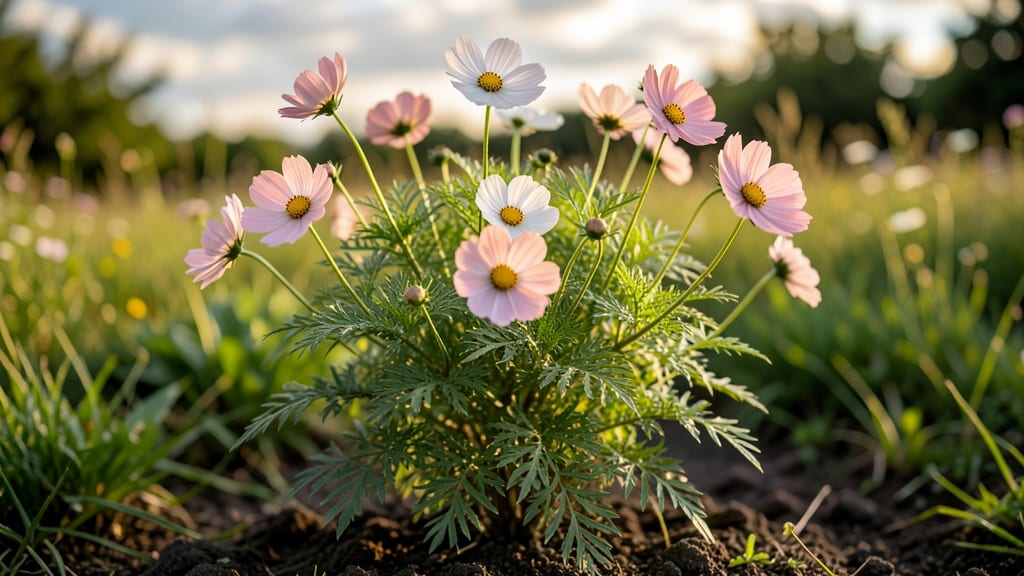
Cosmos flowers bloom from late spring through fall 🌸, turning your garden into a sunlit canvas of pinks, whites, and purples.
If you’ve ever dreamed of a garden bursting with vibrant cosmos flowers—those cheerful daisy-like blooms that seem to dance in the summer breeze—timing is everything. Knowing exactly when cosmos flowers bloom in your region can mean the difference between a stunning floral display and a missed opportunity.
In USDA Zone 6a, like where I garden, cosmos typically kick off their show in June, reaching peak brilliance by July and stretching into September or even October with the right care.
Warmer climates? They might start as early as May, while cooler zones could see blooms push into October.
Below, I’ll break down the exact months to expect flowers in your zone, how to extend their season, and the simple care tricks that keep them blooming like clockwork—no green thumb required.
Cosmos bloom timeline by USDA Zone: exact months to expect flowers
Timing your cosmos planting is the secret to a garden filled with continuous blooms from summer through fall. These easy-care flowers thrive in USDA Zones 3-11, but their bloom windows shift dramatically depending on where you live.
In cooler northern zones, cosmos typically burst into color in late June or July, while southern gardeners enjoy early blooms as soon as May. Understanding these patterns helps you plan for season-long color and avoid missed opportunities.
Most cosmos varieties are annuals that self-seed prolifically, but some perennials like Cosmos bipinnatus return year after year in warmer climates. The key to maximizing blooms lies in matching your planting schedule to your zone's frost dates and heat patterns.
For example, planting too early in Zone 3 risks frost damage, while delaying in Zone 10 may mean missing the optimal 60-70°F germination window.
Here's your zone-by-zone bloom timeline, including early, peak, and late-season windows for both annual and perennial cosmos varieties:
| USDA Zone | Early Blooms | Peak Blooms | Late Blooms | Notes |
|---|---|---|---|---|
| Zones 3-4 | Late June | July-August | Early October | Plant after last frost (May) |
| Zones 5-6 | Mid-June | June-September | Late October | Self-seeding common |
| Zones 7-8 | May | June-October | November | Perennials possible |
| Zones 9-10 | April | May-November | December | Year-round blooms possible |
| Zone 11 | March | April-December | January | Plant year-round |
In Zones 3-4, where summers are short, cosmos typically bloom from late June through October, with peak displays in July and August. I've found that planting seeds indoors 6-8 weeks before your last frost date gives these northern gardeners a head start.
The earlier blooms often attract butterflies and bees to your garden, creating a lively ecosystem from day one.
Gardeners in Zones 5-6 enjoy the longest bloom windows, with cosmos flowering from mid-June through October. This extended season makes them perfect for cut flower arrangements that last from summer into fall.
The self-seeding habit means you'll often find volunteer plants popping up in spring, giving you free blooms for years to come.
Warmer climates in Zones 7-10 allow for perennial cosmos varieties like Cosmos atrosanguineus, which can return year after year. In these zones, you can even get two bloom cycles—one in spring and another in fall—if you provide consistent care.
I've seen cosmos in Zone 9 continue blooming until November with proper watering and deadheading.
For Zone 11 gardeners, cosmos are essentially year-round performers. You can plant them in early spring for blooms by March, then enjoy continuous flowers through the year.
The only limitation is heat stress during summer's peak, which may cause temporary dormancy. Providing afternoon shade during these periods helps maintain blooms.
To maximize your cosmos bloom time, I recommend planting successive batches every 2-3 weeks starting in early spring. This staggered approach creates a continuous display rather than a single peak.
For example, in Zone 6, I plant one batch in May, another in June, and a final one in July—this gives me blooms from June through October.
Remember that soil temperature plays a crucial role in germination. Cosmos seeds won't sprout until soil reaches 60°F (15°C). In cooler zones, you might need to use black plastic mulch to warm the soil faster.
I've had great success with this method in Zone 4, where normal soil temperatures might be 10°F too cool for germination.
Once established, cosmos are remarkably drought-tolerant, but consistent moisture during their first 4-6 weeks ensures strong stems and abundant blooms. The key to longer bloom seasons is regular deadheading—removing spent flowers encourages new blooms to form.
I make it a habit to spend 10 minutes every few days snipping back faded blooms, which has extended my cosmos season by 3-4 weeks each year.
How to extend cosmos blooming season: pro tips for longer flowers
Cosmos flowers are famous for their long-lasting blooms, but with the right care, you can push that blooming season even further. These cheerful flowers naturally thrive from mid-summer to fall, but many gardeners miss out on their full potential.
The secret to extending their flowering period lies in simple yet effective techniques that encourage continuous blooms.
First, let’s talk about the most critical step: deadheading. This isn’t just about tidying up your garden—it’s the #1 way to trick cosmos into producing more flowers. When you remove spent blooms, you’re signaling the plant to redirect its energy into new growth instead of seed production.
I’ve seen cosmos plants double their flowering duration just by making this one change!
Here’s how to do it right: Use clean, sharp pruning shears and snip the flower stem just above a set of leaves. Avoid tearing the plant, and always work in the morning when blooms are dry.
This method keeps your cosmos looking fresh and encourages second blooms throughout the season.
🌸 Pro Tips to Extend Cosmos Blooms
- 1. Deadhead daily: Remove spent blooms every 2-3 days to prevent seed formation and encourage new flowers.
- 2. Feed lightly: Use a balanced fertilizer (5-10-10) every 4-6 weeks during peak growing months.
- 3. Water wisely: Deep water morning-only to avoid fungal issues and keep roots hydrated.
- 4. Mulch heavily: Apply 2-3 inches of mulch to retain moisture and regulate soil temperature.
- 5. Plant companions: Pair with basil or marigolds to deter pests and improve overall plant health.
Don’t overlook the power of soil nutrition. Cosmos aren’t heavy feeders, but they do appreciate a well-draining, nutrient-rich soil. Before planting, mix in compost or aged manure to provide a slow-release boost.
During the growing season, a light application of fertilizer every 4-6 weeks keeps them blooming strong without encouraging excessive foliage.
Watering plays a surprising role in extending bloom time. While cosmos are drought-tolerant once established, they still need consistent moisture during their active growing phase. Water deeply in the morning to reduce evaporation and prevent fungal diseases.
Overwatering can lead to early bloom fade, so always let the top inch of soil dry out between waterings.
Finally, consider companion planting to create an ecosystem that supports your cosmos. Planting basil nearby can improve flavor and deter pests, while marigolds act as natural pest repellents. These partnerships not only protect your cosmos but also extend their overall health and bloom time.
With these simple strategies, your cosmos can bloom from early summer through the first frost, giving you months of effortless color. The key is consistency—deadhead regularly, feed lightly, and water smartly—and your cosmos will reward you with a longer, more vibrant display than you ever expected. 🌿