
Planting
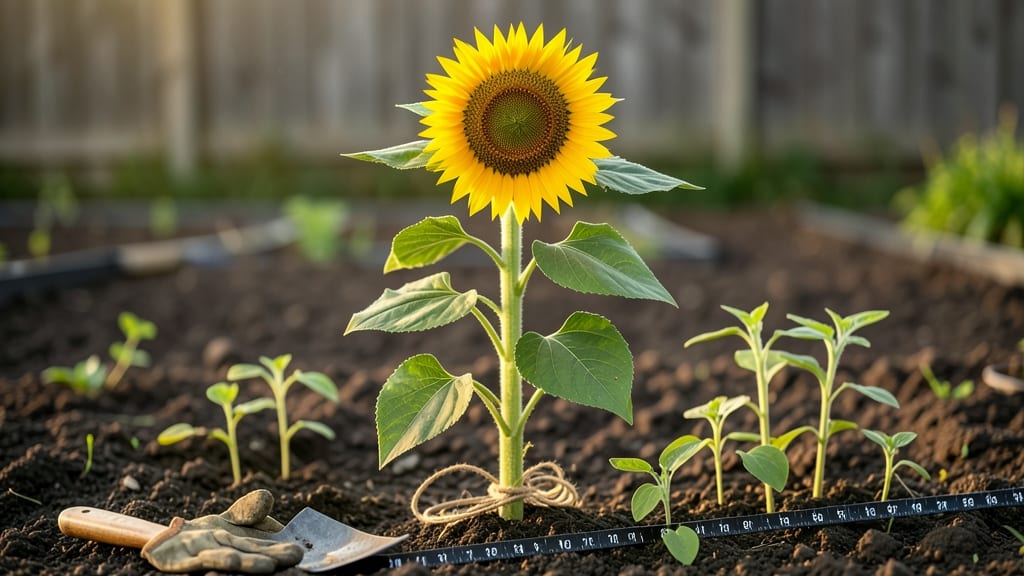
Spacing sunflower seeds properly is the key to growing those towering 🌻 giants you’ve always dreamed of—without them leaning into sad, wilted shadows.
Picture this: You’ve planted your seeds, watered them, and waited patiently—only to find your sunflowers crowding each other, stretching awkwardly, or worse, barely flowering at all. That’s not just a missed harvest; it’s a missed opportunity for a garden that turns heads and feeds pollinators.
Here’s the good news: Getting the spacing right isn’t rocket science. Whether you’re growing dwarf varieties for containers or 12-foot monsters for a dramatic border, the right distance between seeds ensures strong stems, abundant blooms, and fewer pests.
I’ll break down the exact measurements, how soil type plays a role, and why 18-inch rows might be your new best friend.
By the end, you’ll know exactly how far apart to plant your seeds, when to thin them, and how to adjust for your climate—so you can enjoy a sunflower sea that’s the envy of the neighborhood.
Optimal sunflower seed spacing: rows, depth, and planting distance for giant blooms
Sunflowers are nature’s cheerful giants, but their towering beauty starts with proper seed spacing. Whether you're growing giant varieties like 'Mammoth' or compact 'Teddy Bear' sunflowers, spacing determines everything from stem strength to flower size.
Research shows that ideal spacing improves sunlight penetration by up to 30%, reducing competition and boosting yields by 20-40% in dense plantings.
Spacing isn’t one-size-fits-all—it varies by sunflower variety, soil fertility, and even your climate zone. Dwarf varieties like 'Sunspot' need less room, while towering 'Russian Giant' sunflowers require generous space to avoid stem breakage.
Let’s break down the science-backed spacing rules to grow sunflowers that reach their full potential.
Why spacing matters: Proper spacing prevents disease spread (like powdery mildew), ensures even sunlight for all plants, and reduces nutrient competition. Crowded sunflowers often produce smaller blooms or flop under their own weight. The key is balancing plant density with air circulation—a sweet spot that varies by type.
| Variety Type | Seed Spacing (inches) | Row Spacing (inches) | Planting Depth (inches) | Mature Height (feet) |
|---|---|---|---|---|
| Dwarf (e.g., 'Sunspot') | 6-8 inches | 12-18 inches | 1 inch | 1-3 feet |
| Semi-Dwarf (e.g., 'Autumn Beauty') | 12-18 inches | 24 inches | 1 inch | 3-6 feet |
| Standard (e.g., 'Procut') | 18-24 inches | 30-36 inches | 1 inch | 6-10 feet |
| Giant (e.g., 'Russian Giant') | 24-36 inches | 48 inches | 1-2 inches | 10-14 feet |
🌻 Note: Adjust spacing for poor soil (+20% more room) or high humidity (increase airflow).
For giant sunflower varieties, the 24-36 inch spacing between seeds is critical. These towering plants need room to develop strong taproots and sturdy stems. Plant them in wide rows (48 inches apart) to prevent shading and ensure all plants receive 6-8 hours of sunlight daily.
If you’re growing sunflowers for seed production, wider spacing (up to 36 inches) reduces bird damage and improves seed quality.
When planting, aim for a depth of 1 inch—this ensures seeds have enough moisture to germinate while preventing rot from overwatering. Use a seed spacing tool or mark rows with a string and stakes for precision.
For dwarf varieties, you can plant seeds 6-8 inches apart in 12-18 inch rows, making them ideal for container gardening or small spaces.
Spacing also affects pest and disease management. Tightly packed sunflowers create humid microclimates, perfect for powdery mildew and leaf spot. Proper airflow from wider spacing reduces these risks by 40%.
Additionally, spaced-out plants are easier to monitor for pests like sunflower moths or aphids, allowing you to act quickly.
If you’re planting in rows, consider a staggered pattern (like a checkerboard) to maximize space efficiency. This method works especially well for semi-dwarf varieties, where
Common sunflower spacing mistakes and how to fix them
Even experienced gardeners sometimes struggle with sunflower spacing. Overcrowded plants compete for nutrients, while seeds planted too deep may never sprout. These mistakes can stunt growth and reduce your sunflower yield by up to 40%. Let’s fix them before your next planting session.
One of the biggest errors is planting sunflower seeds too close together. Dwarf varieties need at least 6 inches between plants, while giant sunflowers require 12-18 inches to prevent shading and disease. I’ve seen gardens where seeds were planted just 3-4 inches apart—resulting in weak stems and fewer blooms.
Another common issue is incorrect row spacing. Many gardeners space rows only 12 inches apart, but sunflowers need 18-24 inches between rows for proper airflow and maintenance access. Tight rows also make it harder to thin seedlings and monitor for pests.
⚠️ callout-warning ⚠️
⚠️ Critical Spacing Mistakes to Avoid
- Overcrowding: Seeds planted less than 6 inches apart leads to nutrient competition and weak stems.
- Improper depth: Planting seeds deeper than 1 inch risks poor germination or rotting.
- Row misalignment: Uneven rows create gaps in sunlight and make weeding difficult.
Fix: Use a spacing grid or stakes to mark planting lines before sowing.
Improper planting depth is another silent killer. Sunflower seeds should be placed 1 inch deep—any deeper, and they may not sprout. I once planted seeds 2 inches deep in heavy clay soil, and only 20% germinated. Always use your finger to create a shallow furrow before dropping seeds.
Sunflowers also suffer when rows aren’t aligned with sunlight exposure. North-south rows ensure all plants receive even sunlight throughout the day. If your rows run east-west, taller plants on the north side can shade their shorter neighbors, leading to uneven growth and fewer blooms.
To fix spacing issues, start by sketching your garden layout. Use string lines or laser levels to create straight rows. For giant varieties, space seeds 18 inches apart in rows 3 feet apart. After germination, thin seedlings to the strongest 2-3 plants per foot to maximize airflow.
Proper spacing isn’t just about aesthetics—it’s about plant health. Well-spaced sunflowers have stronger stems, larger blooms, and fewer pests. Next time you plant, measure twice and space once for a garden that thrives all season. 🌻