Lawn
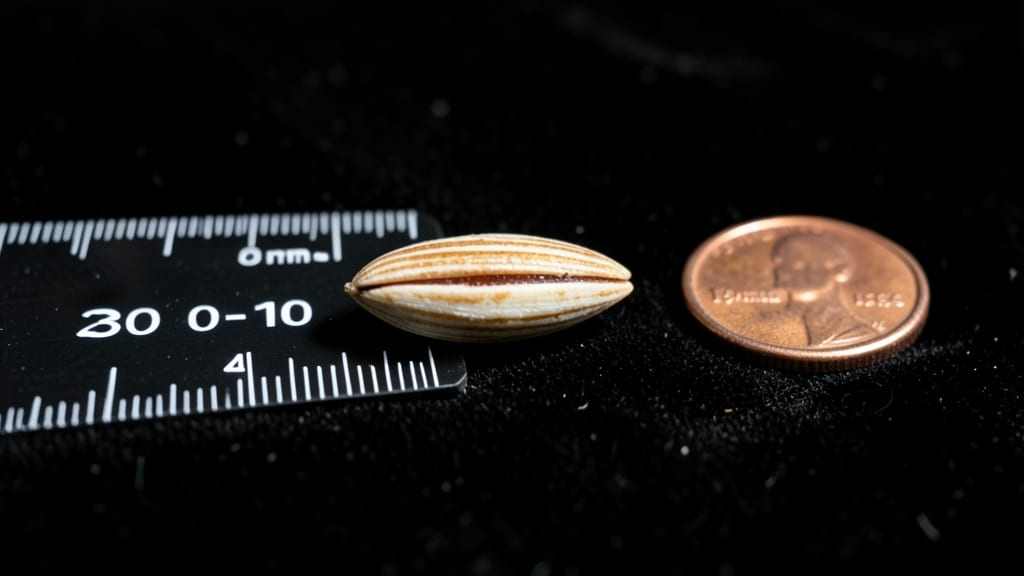
A sunflower seed’s size is deceptively small—measuring just 0.5 to 1 inch long and weighing less than a grain of rice—but it packs the potential to grow into a towering 12-foot giant.
Did you know that the tiny sunflower seed—often overlooked in favor of its towering, sun-drenched blooms—holds the power to grow into a plant reaching 12 feet tall? Understanding its exact dimensions isn’t just fascinating; it’s the first step to unlocking its germination potential and maximizing your gardening success.
For planting, a sunflower seed’s size means you’ll need to bury it only 1 inch deep—about the thickness of a pencil tip—to ensure strong germination. Too deep, and it may struggle to break through the soil; too shallow, and it risks drying out before sprouting.
Below, I’ll break down how seed size impacts spacing, germination rates, and even seed-saving strategies, so you can grow healthier, stronger sunflowers from the very first planting.

Exact dimensions of a sunflower seed: measurements that matter for germination
When you hold a sunflower seed in your palm, it’s easy to underestimate its potential—after all, it’s barely bigger than a grain of rice. But those tiny dimensions pack a big punch, determining everything from planting depth to seedling strength.
Understanding the exact size of a sunflower seed isn’t just trivia; it’s the foundation for germination success and healthy growth.
The average sunflower seed measures between 0.5 to 0.75 inches long and 0.25 to 0.375 inches wide, with a weight ranging from 0.1 to 0.2 grams.
These measurements might seem minuscule, but they directly influence how deep you should plant them and how far apart to space them in your garden.
For example, a seed that’s too small might get buried too deep, delaying germination, while one that’s too large could struggle to break through compacted soil.
To put these dimensions into perspective, imagine a sunflower seed lined up next to a pencil tip—it’s roughly half the width. Or picture it as the size of a small pea, though slightly flatter.
These comparisons help visualize why precision matters when planting. Even a slight miscalculation in depth can mean the difference between a thriving seedling and one that fails to emerge.
Here’s the key: sunflower seeds need to be planted at a depth of about 1 inch, which is roughly 2 to 3 times their own length.
This rule ensures they have enough soil coverage to stay moist but aren’t buried so deep that they struggle to reach the surface. The weight of the seed also plays a role—lighter seeds may need slightly shallower planting to avoid suffocation.
Beyond planting, these dimensions affect seed spacing in your garden. Standard sunflower seeds should be spaced 6 to 12 inches apart, depending on the variety.
Larger seeds often produce stronger seedlings, which can handle closer spacing, while smaller seeds may need more room to avoid competition for nutrients and sunlight.
| Dimension | Measurement | Household Comparison | Gardening Impact |
|---|---|---|---|
| Length | 0.5–0.75 inches | Half a pencil tip | Determines planting depth (1 inch) |
| Width | 0.25–0.375 inches | Small pea (flatter) | Affects seed spacing (6–12 inches) |
| Weight | 0.1–0.2 grams | Grain of rice | Lighter seeds may need shallower planting |
| Planting Depth | 1 inch (2–3x seed length) | Pinky finger depth | Balances moisture and light exposure |
| Seed Spacing | 6–12 inches | Half a ruler length | Prevents overcrowding and disease |
If you’re saving seeds from your own sunflowers, these dimensions also matter. Larger, plumper seeds often have higher germination rates and produce healthier plants. When harvesting, look for seeds that are firm and dark-colored, as these are typically the most viable.
Store them in a cool, dry place to preserve their size and quality for next year’s planting.
Knowing these measurements also helps when troubleshooting germination issues. If your seeds aren’t sprouting, check if they were planted too deep or too shallow. A seed that’s too close to the surface may dry out, while one buried too deep might rot before it can sprout.
The ideal planting depth of 1 inch strikes the perfect balance for most sunflower varieties.
For gardeners using heirloom or hybrid seeds, size variations can be subtle but significant. Heirloom seeds tend to be slightly larger and may require a bit more space between plants, while hybrid seeds are often bred for uniformity and efficiency.
Always check the seed packet for specific recommendations, as some varieties may have slightly different dimensions or planting guidelines.
In the end, the size of a sunflower seed might seem insignificant, but it’s the first clue to unlocking its full potential.
Whether you’re a beginner or a seasoned gardener, paying attention to these details ensures your sunflowers get the best possible start in life—leading to those iconic, sun-drenched blooms you’ve always dreamed of.
🌻
How sunflower seed size affects planting success: depth, spacing, and soil strategies
The size of a sunflower seed may seem insignificant, but it directly influences your planting strategy. A typical sunflower seed measures about 0.5 to 0.75 inches long and 0.25 to 0.3 inches wide, roughly the size of a large grain of rice or a pencil tip.
These dimensions determine how deep you should plant them and how much space to leave between seeds for optimal growth.
Planting too shallow can expose seeds to drying winds or predators, while burying them too deep may delay germination. The ideal planting depth for sunflower seeds is 1 inch, which aligns perfectly with their natural size.
This depth ensures moisture reaches the seed while protecting it from extreme temperatures and surface disturbances.
⚠️ callout warning
Planting sunflower seeds too deep (over 1.5 inches) can stunt germination by blocking light and oxygen. Seeds need moisture + air to sprout—burying them deeper than their 3x length risks failure. For example, a 0.75-inch seed shouldn’t go deeper than 2.25 inches!
Spacing is another critical factor tied to seed size. Since sunflowers grow 6–15 feet tall, their roots need room to spread. Plant seeds 6–12 inches apart in rows spaced 18–24 inches apart.
This spacing prevents overcrowding, which can lead to pale stems or reduced yield. Larger seeds (like heirloom varieties) may need slightly more space than smaller hybrid seeds.
Soil preparation plays a role too. Sunflower seeds thrive in loose, well-draining soil with a pH of 6.0–7.5. Amend heavy clay or sandy soil with compost or aged manure to improve moisture retention and nutrient availability.
A quick soil test can reveal if your garden bed needs adjustments—sunflowers hate soggy roots!
Common mistakes tied to seed size include uneven planting depth (using a trowel instead of fingers for precision) or skipping soil moisture before sowing. Always water the soil to a depth of 1–2 inches before planting to kickstart germination.
After sowing, maintain consistent moisture until seedlings emerge—typically in 7–14 days for sunflowers.
Remember, the size of a sunflower seed isn’t just about measurements—it’s about strategy. By respecting its dimensions, you’re setting your sunflowers up for strong roots, vigorous growth, and those iconic towering blooms. Happy planting! 🌻