
Flowers
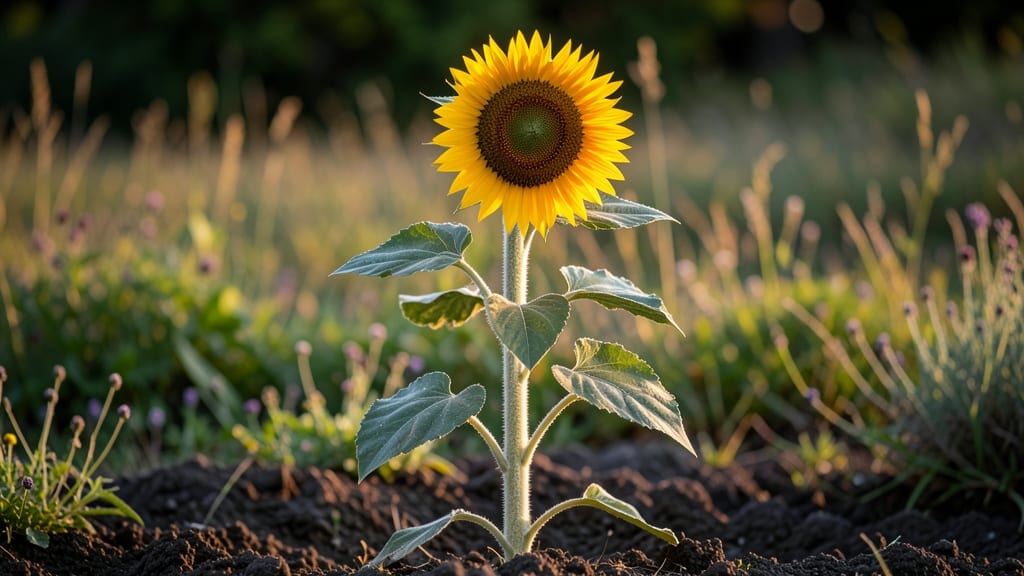
Sunflowers can grow how tall can sunflowers grow up to 14 feet or taller, depending on the variety and growing conditions—transforming your garden into a towering golden display that rivals even the tallest buildings.
If you’ve ever dreamed of growing a sunflower taller than your house, you’re not alone. These giants aren’t just eye-catching—they’re a testament to nature’s ability to scale heights most gardeners never thought possible. But how do they reach such staggering heights, and which varieties should you plant to achieve them?
The answer lies in the right mix of genetics, sunlight, and soil. Dwarf varieties stay compact at just 1–3 feet, while standard types hit 5–7 feet, but the real showstoppers—like the ‘Russian Giant’—can shoot up to 12–14 feet with proper care.
Whether you’re aiming for a dramatic focal point or just curious about the limits of sunflower growth, understanding these factors is key.
In this guide, I’ll break down the tallest sunflower varieties, share pro tips for maximizing height, and help you decide whether a 10-foot giant or a more manageable size fits your garden best. Ready to grow something truly impressive?

Sunflower height guide: from dwarf varieties to 14-Foot giants
Sunflowers are one of nature's most dramatic plants, capable of reaching heights that dwarf even the tallest gardeners. The tallest sunflower varieties can soar to 14 feet or more, while dwarf varieties stay compact at just 1-3 feet.
Your choice of variety determines not only the height but also the garden space requirements and maintenance needs. Whether you're working with a small balcony or a sprawling backyard, understanding these differences helps you select the perfect sunflower for your space.
Genetics play the biggest role in determining height, but growing conditions like sunlight, soil quality, and watering can push plants to their full potential—or hold them back.
For example, a Russian Giant sunflower might only reach 8 feet without proper care, but with ideal conditions, it can easily surpass 12 feet. Let’s explore the height ranges, best varieties for each category, and the factors that influence how tall your sunflowers will grow.
🌱 Key Takeaway: The right variety + optimal growing conditions = sunflowers that reach their maximum height potential.
| Variety Type | Height Range | Best For | Growth Tips |
|---|---|---|---|
| Dwarf Varieties | 1–3 ft | Containers, small gardens, pollinators | Plant in well-draining soil; stake if needed |
| Standard Varieties | 5–7 ft | Backyard gardens, cut flowers | Full sun; fertilize monthly |
| Giant Varieties | 10–14+ ft | Landmark displays, large gardens | Stake early; deep watering |
Dwarf sunflowers like ‘Teddy Bear’ or ‘Moulin Rouge’ are perfect for small spaces, including patio containers or window boxes. These varieties stay under 3 feet and bloom prolifically, making them ideal for attracting bees and butterflies.
Their compact size also means they require less staking and support, though a light cage can help prevent toppling in windy conditions.
Standard sunflowers, such as ‘Autumn Beauty’ or ‘ProCut’, strike a balance with heights of 5–7 feet. These are the workhorses of the garden, offering long vase life and vibrant colors.
They thrive in full sun and well-drained soil, making them low-maintenance yet impressive. For best results, space them 18–24 inches apart to allow airflow and reduce disease risk.
If you’re aiming for dramatic height, giant sunflowers like ‘Russian Giant’ or ‘Mammoth’ are the stars of the show. These varieties can easily exceed 10 feet, with some reaching 14 feet or taller under ideal conditions.
However, their towering stature comes with challenges, including wind damage and the need for robust staking. Plant them in open, sunny areas with plenty of space to avoid shading smaller plants.
Soil quality is another critical factor in sunflower height. Sunflowers thrive in loamy, well-draining soil with a pH between 6.0 and 7.5. Amending heavy clay soil with compost or sand can improve drainage, while adding a balanced fertilizer (like 5-10-10) at planting and mid-season encourages vigorous growth. Over-fertilizing with nitrogen can lead to leafy growth at the expense of height, so use phosphorus and potassium to support strong stems.
Sunlight is non-negotiable for sunflowers—at least 6–8 hours of direct sun daily is essential for maximum height. Without enough light, plants will become leggy and weak, struggling to support their own weight.
In cooler climates, consider starting seeds indoors 4–6 weeks before the last frost to give them a head start. Once transplanted outdoors, ensure they receive unobstructed sunlight to reach their full potential.
Watering plays a subtle but crucial role in sunflower height. While sunflowers are drought-tolerant once established, consistent moisture during the first 4–6 weeks helps roots develop deeply. Deep watering 2–3 times per week (about 1–2 gallons per plant) encourages strong stem development.
Avoid overhead watering late in the day to prevent fungal diseases like powdery mildew, which can weaken stems and limit height.
For giant sunflowers, staking is a must. Use bamboo stakes or metal cages inserted at planting time to support the stem as it grows. Tie the stem loosely with soft plant ties every 2–3 feet to prevent breakage.
In windy areas, consider additional support, such as a trellis or windbreak, to protect your towering sunflowers from toppling over.
🌻 Pro Tip: Harvest seeds from your tallest sunflowers to save for next year’s garden—just let the flower heads dry on the stem before collecting!
How to grow a 10-Foot sunflower: pro tips for maximizing height
Growing a 10-foot sunflower isn’t just about luck—it’s a mix of science and patience. The key starts with selecting the right giant sunflower varieties like ‘Russian Giant’ or ‘Mammoth’, which are bred to reach heights of 12–14 feet under ideal conditions.
But even the tallest varieties need the perfect growing environment to unlock their full potential.
Before planting, focus on soil preparation. Sunflowers thrive in loose, well-draining soil with a pH between 6.0–7.5. Amend heavy clay soil with compost or sand to improve aeration. A nutrient-rich base sets the stage for rapid stem elongation, which is critical for reaching those towering heights.
🌱 How Tall Can Sunflowers Grow?
- 🌻 Dwarf varieties: 1–3 ft (ideal for containers)
- 🌿 Standard varieties: 5–7 ft (classic backyard height)
- 🌳 Giant varieties: 10–14+ ft (e.g., ‘Russian Giant’, ‘Mammoth’)
- 🏆 Record holders: Up to 16 ft with optimal care
Note: Height depends on genetics, sunlight, and soil nutrients.
Once planted, watering consistency is non-negotiable. Young sunflowers need 1–2 gallons of water every 3–5 days, but increase frequency during hot summer months to prevent wilting. Deep watering encourages strong root development, which supports the massive stem weight. Avoid overhead watering to reduce fungal risks like powdery mildew.
As your sunflowers grow, staking becomes essential to prevent toppling. Use bamboo stakes or tomato cages inserted 12–18 inches deep, tying the main stem loosely with soft fabric or twine.
This support isn’t just for aesthetics—it protects the plant from wind damage and ensures the flower head stays upright for maximum sunlight exposure.
For extra height boosts, fertilize with a balanced 5-10-10 NPK formula every 4–6 weeks during the growing season. Focus on nitrogen early to promote leafy growth, then shift to phosphorus and potassium as the plant matures. However, avoid over-fertilizing—too much nitrogen can weaken stems and reduce flower production.
Finally, prune strategically to direct energy upward. Remove any side shoots that form in the lower stem, as these compete for nutrients. This redirection helps the main stem grow taller and stronger.
With these pro tips, your sunflower could soon rival the height of your mailbox—or even your roof! 🌻