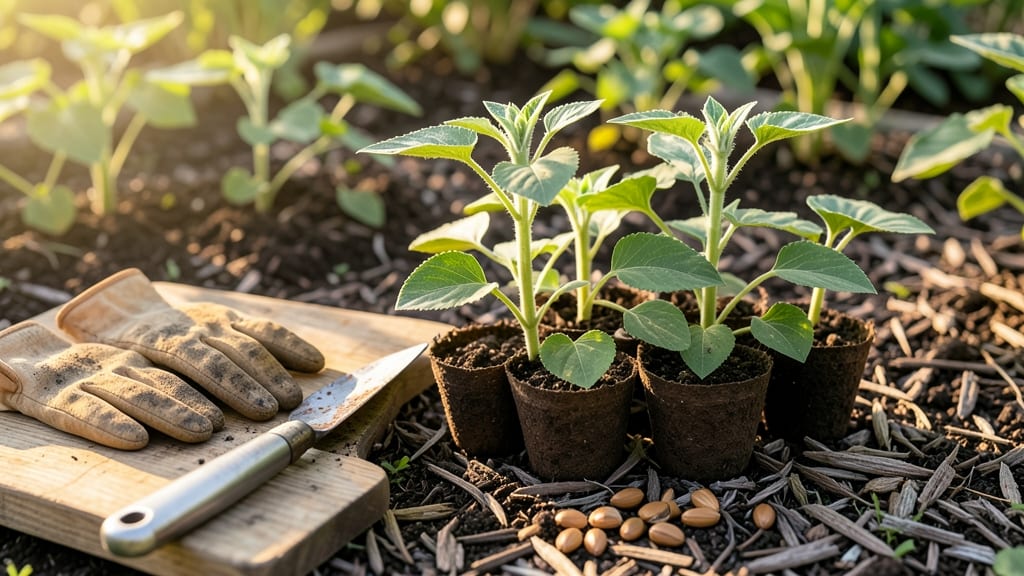
Planting sunflowers in Nebraska after your last frost date — around mid-April for most of the state — is the key to avoiding frost damage and ensuring those towering 🌻 blooms you’ve been dreaming of. Nebraska’s…
Planting sunflowers in Zone 9b means timing them right to beat the summer heat — aim for late winter or early spring when soil temps stay mild. Sunflowers thrive in warmth, but planting them too early or late in Zone…
Plant wildflower seeds in Oklahoma between late winter and early spring (February–April) or late summer to early fall (August–September) for the fastest, most vibrant blooms. Transforming Oklahoma’s landscapes into…
To plant wildflower seeds in Zone 5 🌼, aim for early spring or fall when soil temperatures are cool but frost-free — this timing unlocks the secret to vibrant blooms year after year. Picture this: you’ve scattered your…
Planting sunflowers in fall is possible, but timing and location make all the difference—especially in USDA Zone 6a where frost arrives early. You’ve probably seen sunflowers 🌻 as summer stars, but did you know they can…
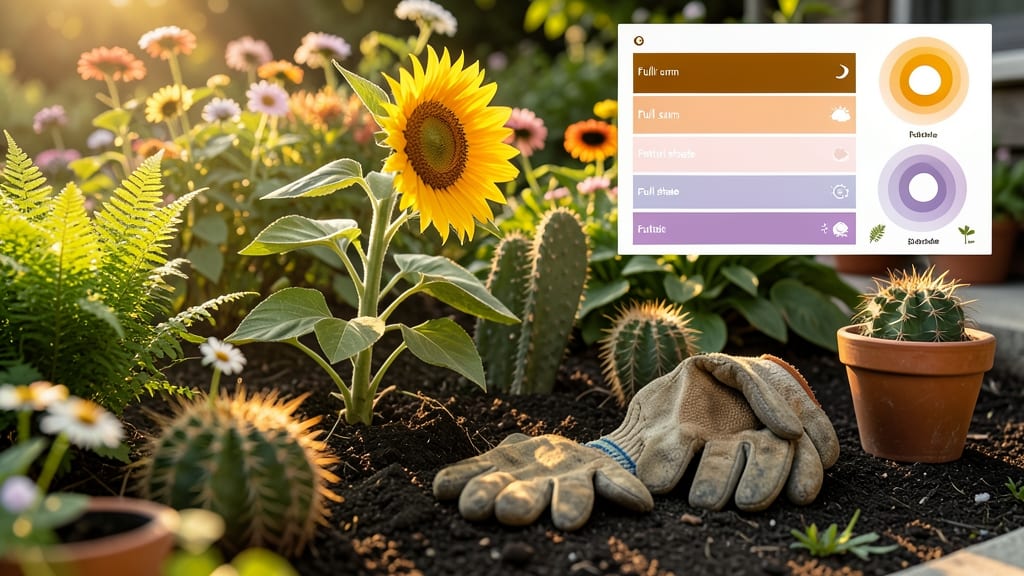
Flowers need sunlight to thrive, and the right amount makes all the difference between vibrant blooms and sad, sparse stems. Struggling to keep your flowers blooming? The right amount of sunlight can mean the difference…
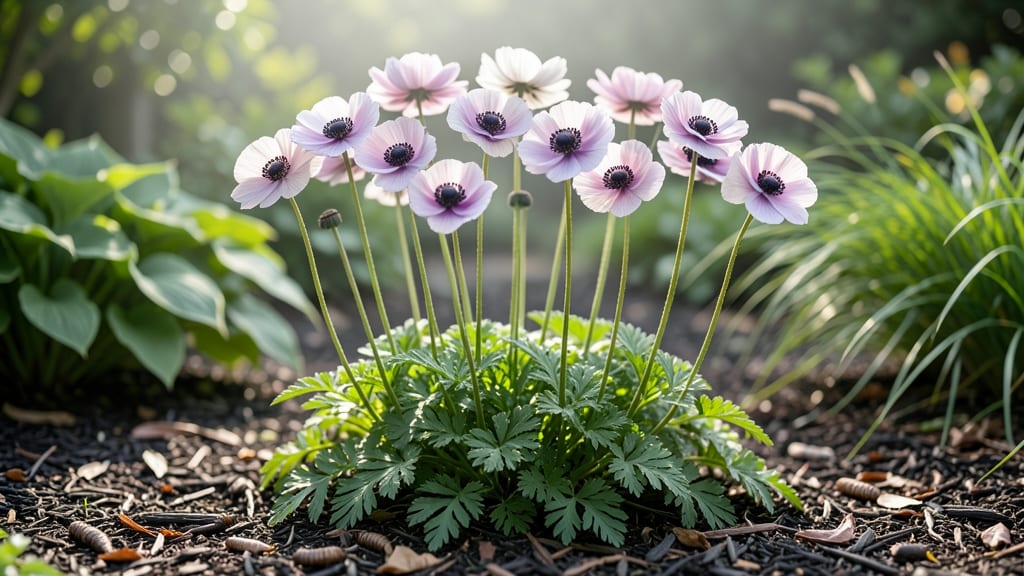
Anemone flowers grow anywhere from 1 to 3 feet tall , depending on the variety and growing conditions—so choosing the right type for your space is everything. Picture this: a delicate 🌸 Japanese anemone barely brushing…
I’ve always had a green thumb—my earliest memories are of sneaking seeds from my grandmother’s garden to plant in the cracks of our sidewalk. When I’m not digging in the dirt, you’ll find me curled up with a book on native plants or experimenting with heirloom varieties in my tiny urban plot.
This site is my way of paying forward the lessons I’ve learned: how to coax life from stubborn soil, turn a brown thumb green, and find joy in the quiet work of watching things grow.