
Flowers
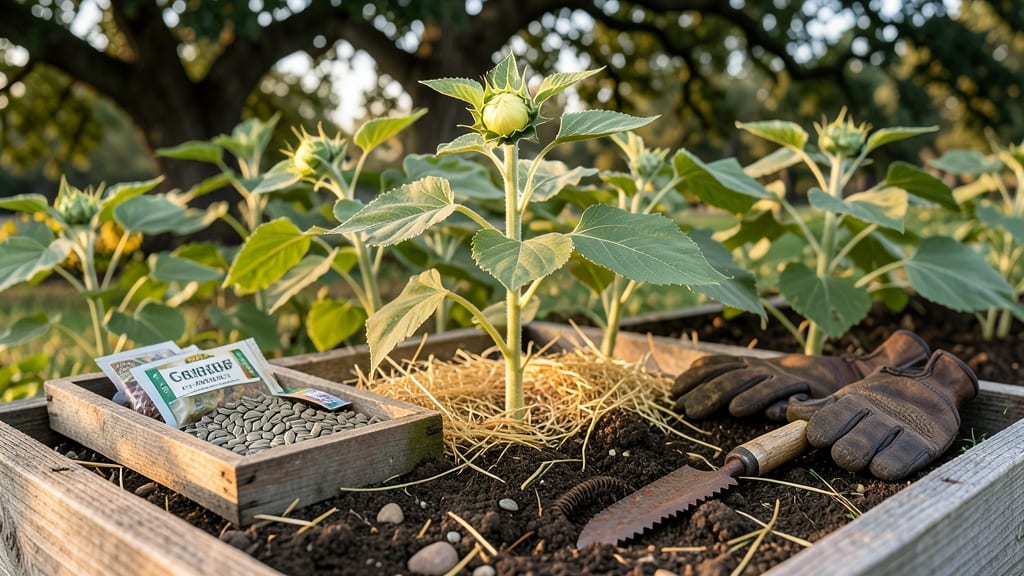
Planting sunflowers in Nebraska after your last frost date — around mid-April for most of the state — is the key to avoiding frost damage and ensuring those towering 🌻 blooms you’ve been dreaming of.
Nebraska’s unpredictable frost dates can make or break your sunflower harvest—plant too early, and frost will kill seedlings; too late, and you’ll miss summer’s golden blooms. Here’s how to time it perfectly for vibrant, thriving sunflowers year after year.
Since Nebraska spans USDA zones 5a-6b, your exact planting window depends on where you live. Rural areas may have earlier frost risks than cities, and soil temperature matters just as much as calendar dates.
Below, I’ll break down the exact planting timeline for your region, how to check soil warmth, and the one trick that guarantees sunflowers without the guesswork.
Nebraska sunflower planting dates by frost Zone: a region-specific guide
Nebraska’s diverse USDA frost zones (4a-6a) mean your sunflower planting timeline should match your local climate. In colder Zone 4a, wait until late May, while warmer Zone 6a gardeners can start as early as mid-April.
These differences ensure your sunflower seeds germinate in consistently warm soil—critical for avoiding frost damage.
Each zone’s last-frost dates shift by weeks, creating a 30-day window between northern and southern Nebraska. For example, Omaha (Zone 5b) averages its last frost on April 20, while Lincoln (Zone 6a) typically sees frost-free soil by April 5. Planting too early risks seedling death from late frosts.
Your sunflower variety also matters. Heat-tolerant types like ‘Autumn Beauty’ thrive in Zone 4a’s shorter summers, while tall varieties like ‘Mammoth’ need Zone 5b-6a’s longer growing season. Pairing the right plant with your frost zone maximizes your harvest potential.
🌱
In Zone 4a, where frosts linger into May, focus on early-maturing varieties like ‘Teddy Bear’ (50-60 days to bloom). These compact sunflowers (18-36 inches tall) tolerate cooler soils and still produce vibrant blooms by early July.
For Zone 6a, where summers stretch into October, ‘Mammoth’ sunflowers (10-14 feet tall) thrive with their longer growing season.
Soil temperature is just as critical as air temperature. Use a soil thermometer to confirm your garden bed has reached 50°F (10°C)—sunflower seeds won’t germinate below this threshold. In Zone 5a, where soil warms slower, consider black plastic mulch to accelerate heating by 5-10°F.
Microclimates add another layer. Urban areas like Omaha’s downtown (Zone 5b) may experience 5°F warmer microclimates than rural farms, allowing earlier planting. Conversely, elevated areas like the Pine Ridge can delay frost-free dates by 1-2 weeks.
Adjust your timeline by observing local neighborhood gardens or checking Nebraska State Climate Office data.
For successful sunflower growth, pair your planting date with proper spacing guidelines. Dwarf varieties need 12 inches apart, while giants like ‘Russian Giant’ require 24-36 inches to prevent stem competition.
In Zone 6a, where sunflowers grow tallest, stake or cage tall varieties to avoid wind damage during Nebraska’s summer storms.
🌻
Extend your harvest by planting successive crops every 2-3 weeks after your first planting. In Zone 5b, this means sowing seeds on May 1, May 15, and June 1 to enjoy blooms through September.
Late plantings (after June 15) may not mature before frost, but they still produce beautiful foliage and bird-friendly seeds.
Remember: Nebraska’s unpredictable
How to use Nebraska’s frost-date calculator for sunflower success
Nebraska’s variable frost dates mean your sunflower’s success hinges on precise timing. The Nebraska State Climate Office’s Frost-Date Calculator gives you the exact last-frost averages for your ZIP code—critical for sunflowers, which need warm soil (50°F+) to germinate.
Let’s walk through how to use this tool to plan your direct sowing or indoor starts like a pro.
Start by visiting the Nebraska State Climate Office’s tool. Enter your ZIP code to pull up your average last-frost date. For example, Lincoln typically sees its last frost around April 20, while Scottsbluff averages May 5.
These dates are your planting deadlines—but don’t stop there.
🌱Pro Tip: Adjust for microclimates. Urban areas like Omaha may warm up 1-2 weeks earlier than rural zones due to the heat-island effect. If you’re in a south-facing garden or near a sunny wall, you can push planting 7-10 days earlier than the calculator suggests.
Step-by-Step: Calculate Your Sunflower Planting Window
- 1 Enter Your ZIP Code: Visit Nebraska’s Frost-Date Tool and input your location to see your average last-frost date.
- 2 Note Your Deadline: For direct sowing, wait until 2 weeks after your last-frost date (e.g., Lincoln: May 5). For indoor starts, begin seeds 6-8 weeks before your last frost.
- 3 Adjust for Microclimates: Urban areas? Add 7-10 days to your window. Rural or windy spots? Subtract 5-7 days for safety.
- 4 Test Soil Warmth: Use a soil thermometer—sunflowers need 50°F+ soil. If it’s cooler, wait 1-2 weeks or use black plastic mulch to warm it faster.
- 5 Plan for Variety Maturity: Dwarf varieties (e.g., ‘Teddy Bear’) mature in 50-60 days, while giant types (e.g., ‘Mammoth’) need 100+ days. Plant accordingly to avoid fall frosts cutting blooms short.
For direct sowing, aim to plant sunflower seeds 1-2 weeks after your adjusted last-frost date. Nebraska’s short growing season means you’ll want to prioritize fast-maturing varieties like ‘Autumn Beauty’ (60 days) if you’re in USDA Zone 4a.
In warmer zones like Zone 6b, you can even squeeze in a second planting in early July for late-summer blooms.
If you’re starting seeds indoors, begin them 6-8 weeks before your last frost. Sunflowers germinate quickly (7-14 days), but they need long daylight hours (14+ hours) to thrive. Use grow lights to supplement natural light until you transplant them after Memorial Day.
🌻Remember: Sunflowers are frost-sensitive but heat-loving. Even a light frost can kill seedlings, while hot, dry soil can stunt growth. Use the calculator’s data to time your planting, then monitor your garden’s microclimate for the best results.