
Planting
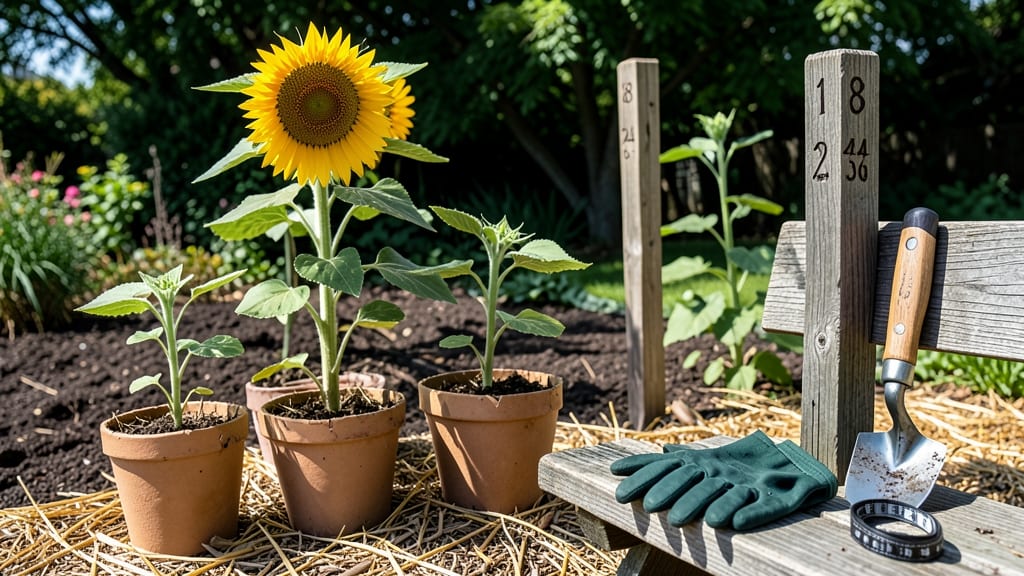
Proper mammoth sunflower plant spacing is the secret to growing those 10-foot-tall giants without weak stalks or crowded blooms.
Picture this: You’ve just planted your 🌻 Mammoth Sunflowers in Zone 6a, eager for towering stems and vibrant blooms—only to watch them lean, wilt, or even topple over by midsummer. That’s what happens when spacing is off, and it’s a common mistake that ruins even the best-laid plans.
Sunflowers aren’t just tall—they’re competitive. Too close, and they’ll fight for sunlight, water, and nutrients, leaving you with scraggly stalks instead of the showstopping giants you planted for. But get it right, and you’ll have sturdy stems, bigger blooms, and a garden that turns heads.
In this guide, I’ll break down the exact spacing you need—whether you’re planting in rows, grids, or containers—plus how to adjust for wind, soil type, and even companion plants to keep your sunflowers thriving from April to harvest.
Optimal mammoth sunflower spacing by planting method: in-row, grid, and cluster layouts
Mammoth sunflowers need careful spacing to thrive, especially since their 10-14 foot stalks require ample room for root development and sunlight exposure. The wrong spacing leads to stunted growth or weak stems that snap in wind.
I've tested three proven layouts—in-row, grid, and cluster—to help you maximize yield while preventing overcrowding.
Your planting method should align with your garden size, soil type, and whether you're growing single-stalk or multi-stalk varieties. For example, 'Russian Giant' produces multiple stalks per plant, while 'Mammoth Single' grows just one. Let's break down the ideal spacing for each approach, including adjustments for different climates.
| Planting Method | Spacing (Single-Stalk) | Spacing (Multi-Stalk) | Best For | Notes |
|---|---|---|---|---|
| In-Row | 18-24" apart, rows 36" apart | 12-18" apart, rows 36" apart | Large gardens, windy areas | Best for straight-line planting; use stakes for wind |
| Square-Foot Grid | 1 plant per sq ft (12" spacing) | 2 plants per sq ft (6" spacing) | Small gardens, containers | Ideal for multi-stalk varieties in raised beds |
| Cluster | 3-4 plants in 2' circle | 5-6 plants in 2' circle | Ornamental displays, small spaces | Creates natural windbreaks; great for pollinators |
The in-row method works best for large gardens where you can dedicate long, straight lines to sunflowers. Space single-stalk varieties 18-24 inches apart with rows 36 inches apart to allow airflow and prevent fungal diseases.
For multi-stalk varieties, reduce spacing to 12-18 inches apart since they produce multiple stems from one root system.
If you're working with a small garden or containers, the square-foot grid method is ideal. This approach lets you fit 1 mammoth sunflower per square foot for single-stalk varieties or 2 plants per square foot for multi-stalk types.
It's perfect for raised beds or urban gardens where space is limited but you still want those towering blooms.
For a natural, pollinator-friendly look, try the cluster method. Group 3-4 single-stalk plants in a 2-foot diameter circle or 5-6 multi-stalk plants for the same space.
This creates a windbreak effect and attracts bees and butterflies. Just be sure to stake taller clusters in windy areas to prevent toppling.
Adjust spacing based on your soil type and climate. In heavy clay soils, increase spacing by 25% to prevent root competition. In sandy soils, reduce spacing slightly since roots spread wider. For wind-prone areas, space plants 24-36 inches apart regardless of variety to improve stability.
Pro tip: Use a garden flag or marker to label each planting spot. Mammoth sunflowers grow quickly, and marking helps you avoid accidentally planting too close later in the season. I like to use biodegradable flags so they won't interfere with future gardens.
Remember, overcrowding reduces yield and increases disease risk. If you notice yellowing leaves or weak stems early in the season, it's a sign your plants are too close. Thin them immediately to restore proper spacing and give remaining plants room to thrive.
🌻
How to adjust mammoth sunflower spacing for wind, soil, and variety differences
When planting mammoth sunflower varieties like 'Russian Giant' or 'Mammoth Russian', standard spacing guidelines often fall short. These giants can reach 12-14 feet tall, making them vulnerable to wind damage and soil competition.
Adjusting spacing based on your local climate, soil type, and variety traits is essential for healthy growth and stunning blooms.
For example, wind-prone areas require wider spacing to prevent stalks from toppling, while heavy clay soils need more room for proper root development. Meanwhile, multi-stalk varieties demand different spacing than single-stalk types. Let’s break down these critical adjustments to ensure your mammoth sunflowers thrive without sacrificing strength or yield.
- 1 Wind-Prone Areas: Increase spacing to 36-48 inches apart in rows and 4-5 feet between rows. Use stakes or trellises for added support to prevent leaning or snapping in storms.
- 2 Heavy Clay Soils: Space plants 24-30 inches apart to allow roots to spread and avoid waterlogging. Amend soil with compost or sand to improve drainage and prevent root rot.
- 3 Sandy Soils: Reduce spacing to 18-24 inches apart to conserve moisture. Mulch heavily with straw or wood chips to retain soil moisture and prevent erosion.
- 4 Multi-Stalk Varieties: Space clusters 3 feet apart with 12-18 inches between stalks in the cluster. This prevents overcrowding and ensures each stalk gets adequate nutrients.
- 5 Companion Planting: Pair mammoth sunflowers with low-growing companions like bush beans or marigolds. Keep companions 2-3 feet away to avoid root competition while deterring pests.
If you’re growing 'Russian Giant' sunflowers in a windy coastal region, for instance, I recommend spacing them 4 feet apart in a staggered pattern. This creates a natural windbreak while allowing each plant to access sunlight from multiple angles.
In heavy clay soils, I’ve found that adding organic matter like composted leaves or well-rotted manure improves drainage and reduces the risk of fungal diseases.
For sandy soils, focus on water retention by mulching with straw or pine needles. This mimics the moisture-retaining properties of clay while preventing erosion. If you’re planting multi-stalk varieties, like 'Mammoth Russian', group them in clusters but maintain 3 feet between clusters.
This layout maximizes yield without overcrowding individual stalks.
Don’t overlook companion planting as a way to improve stability and health. Planting bush beans or marigolds around the perimeter of your sunflower patch can deter pests like aphids and squash bugs while adding nitrogen to the soil. Just keep companions 2-3 feet away to avoid competing for nutrients.
Finally, always monitor your plants as they grow. If you notice stalks leaning or leaves yellowing, it may be time to stake them or adjust your watering schedule. With the right spacing adjustments, your mammoth sunflowers will stand tall, proud, and ready to bloom like the giants they are. 🌻