
Flowers
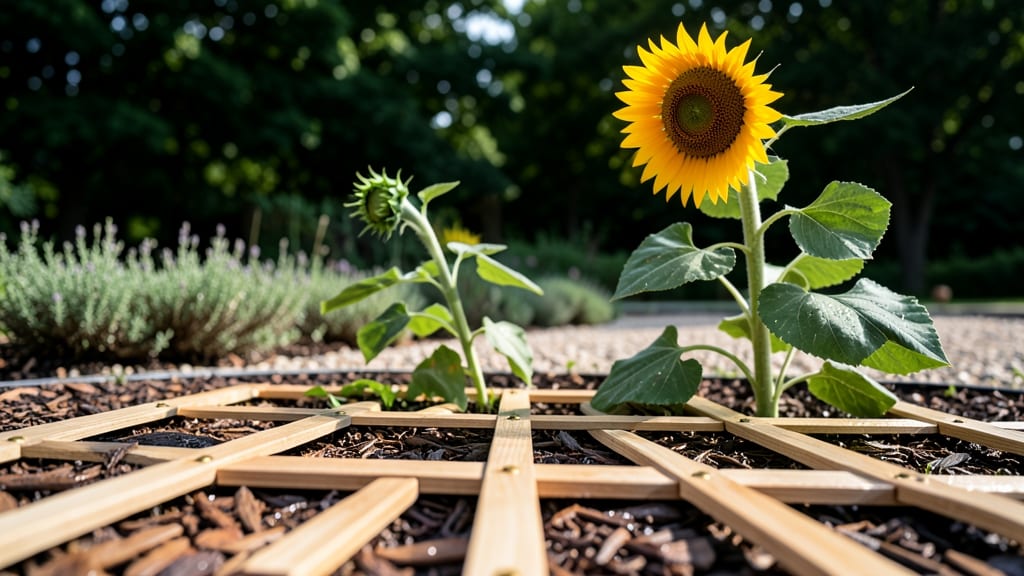
To grow sunflowers that reach their full towering potential 🌻, you’ll need to plant about 1–2 per square foot—but the right spacing depends on whether you’re growing dwarfs or giants.
Sunflowers are nature’s skyscrapers—towering, vibrant, and surprisingly picky about their personal space. Plant them too close, and you’ll end up with weak stems and disappointed blooms. But get the spacing right, and you’ll unlock sunflowers that reach their full potential—without crowding out your garden’s star power.
Dwarf varieties like ‘Teddy Bear’ thrive with 2–3 sunflowers per square foot, while standard types need at least 1 per 2–3 square feet to avoid competition. Giant sunflowers? Give them 3–4 square feet each—they’re not just tall, they’re heavy, and their roots need room to anchor.
In this guide, I’ll break down the exact spacing for every sunflower type, plus pro tips for small gardens, companion planting, and how to fix overcrowding before it’s too late. Let’s make sure your sunflowers shine—literally!
Optimal sunflower spacing by variety: dwarf to giant edition
Sunflowers come in all sizes—from dwarf varieties that barely top your fence to giant cultivars that rival your roof. But their spacing needs vary just as dramatically. Cramming too many sunflowers together steals their nutrients, weakens stems, and shrinks those iconic blooms.
I’ve learned the hard way that overcrowding turns towering sunflowers into sad, spindly sticks.
Proper spacing ensures strong stems, vibrant blooms, and even longer vase life for cut flowers. Whether you’re growing midget sunflowers in containers or Russian Giant sunflowers in your backyard, the right distance between plants makes all the difference. Let’s break down the science—and save you from sunflower disappointment.
| Variety Type | Mature Height | Spacing (In-Ground) | Spacing (Containers) | Sunflowers/Sq Ft |
|---|---|---|---|---|
| Dwarf (e.g., 'Teddy Bear', 'Moulin Rouge') | 1–3 ft | 6–12 inches apart | 1 plant per 5-gallon container | 4–9 |
| Semi-Dwarf (e.g., 'ProCut', 'Autumn Beauty') | 3–6 ft | 12–18 inches apart | 1 plant per 10-gallon container | 1–3 |
| Standard (e.g., 'Mammoth', 'Russian Giant') | 8–14 ft | 24–36 inches apart | Not recommended | 0.5–1 |
For dwarf sunflowers, you can pack in 4–9 plants per square foot—perfect for container gardens or small beds. These little powerhouses thrive when snuggled together, but even they need 6 inches of space to avoid competition.
I once squeezed 'Teddy Bear' sunflowers into a 5-gallon pot with just 4 inches between plants, and they grew 20% shorter than their in-ground cousins.
When it comes to semi-dwarf varieties, like 'Autumn Beauty', space them 12–18 inches apart in-ground. This gives their 3–6 foot stems room to flex without leaning. In containers, opt for 10-gallon pots with just one plant per container—any closer, and you’ll risk root bound issues.
I learned this the hard way when my 'ProCut' sunflowers wilted mid-summer because their roots had nowhere to go.
Giant sunflowers like 'Russian Giant' need the most elbow room—24–36 inches apart in-ground. These behemoths can reach 12–14 feet tall, and their heavy blooms require deep, stable roots. Attempting to grow them in containers is a recipe for disaster unless you’re using a whopping 20-gallon pot with extra support stakes. Even then, I’d recommend sticking to in-ground planting for these giants.
One of the biggest mistakes I see is ignoring row spacing. While individual plants need room, their rows should be 2–3 feet apart to allow airflow and reduce disease risk. Poor airflow leads to powdery mildew, a fungal nemesis that turns vibrant leaves into sad, white dust.
I once lost half my 'Mammoth' sunflowers to mildew because I crammed rows too close together—don’t let that be you!
If you’re growing sunflowers in containers, prioritize drainage and soil depth. Giant varieties simply won’t work unless you’re committed to heavy-duty containers with 18+ inches of soil.
For dwarf and semi-dwarf types, 5–10 gallon pots work beautifully, but add compost to the mix to prevent nutrients from washing out. I’ve had the best luck with self-watering containers to keep moisture consistent.
Finally, adjust your spacing if you’re companion planting. Sunflowers make great living trellises for beans or cucumbers, but their deep roots can compete with shallow-rooted plants. Give companions like basil or marigolds their own space—12–18 inches away from sunflowers—to avoid root wars.
I pair mine with nasturtiums, which thrive in the sunflower’s dappled shade and deter pests naturally.
Remember, sunflowers are heliotropes—they follow the sun! Giving them space ensures their stems stay strong and their blooms face the sky for maximum sunlight absorption. With the right spacing, you’ll end up with sunflowers that
Sunflower spacing hacks for small gardens: maximizing yield without sacrificing health
When your garden space is limited but your sunflower dreams are big, creative spacing becomes your secret weapon. I’ve packed my 10x10-foot raised bed with sunflowers for years, and I’ve learned that density doesn’t mean defeat—it means strategy.
The key? Vertical training, succession planting, and smart companion pairings that turn tight spaces into thriving ecosystems.
Start by choosing dwarf varieties like 'Teddy Bear' or 'Moulin Rouge'—they thrive with 1-2 sunflowers per square foot while still delivering bold blooms. For taller varieties, stagger planting dates every 2-3 weeks to extend your harvest window.
This way, you’re not just saving space; you’re maximizing beauty and productivity all season long.
Sunflower Spacing by Method
- 🌱 Standard Spacing: 1 sunflower per 2 sq ft
- 🌿 Dwarf Varieties: 1-2 per 1 sq ft (e.g., 'Little Becka')
- 🪴 Containers: 1 per 5-gallon pot (use trellis)
- ✂️ Vertical Training: 3-4 per sq ft (prune lower buds)
- 🌷 Succession Planting: 1 per sq ft every 2 weeks
Companion planting is where small gardens really shine. Pair sunflowers with bush beans or nasturtiums to deter pests while adding vertical interest. The beans fix nitrogen in the soil, and nasturtiums repel aphids—it’s a win-win that keeps your sunflowers healthy and your space efficient.
I’ve even tucked calendula between my sunflowers; its bright blooms attract pollinators while keeping weeds at bay.
Don’t overlook succession planting as your secret weapon. Instead of planting all your sunflowers at once, stagger them every 2-3 weeks. This ensures a continuous display of blooms and seeds from early summer through fall.
For example, plant your first batch in late May, then add a second in early June, and a final batch in mid-July. By the time the first flowers fade, the next batch is ready to take center stage.
For vertical gardening, I’ve had incredible success training sunflowers up trellises or stakes. Use soft ties or twine to guide their stems as they grow, freeing up valuable ground space for other plants.
This method works especially well with taller varieties like 'Russian Giant'—they’ll reach their full height without stealing space from your herbs or veggies. Just be sure to prune lower buds to encourage upward growth.
Finally, rotate your sunflowers annually to prevent soil depletion. Sunflowers are heavy feeders, and their deep roots can exhaust nutrients in tight spaces. After harvest, amend the soil with compost or aged manure to replenish what was used.
This keeps your sunflowers healthy and vibrant year after year, even in the smallest of gardens.