
Flowers
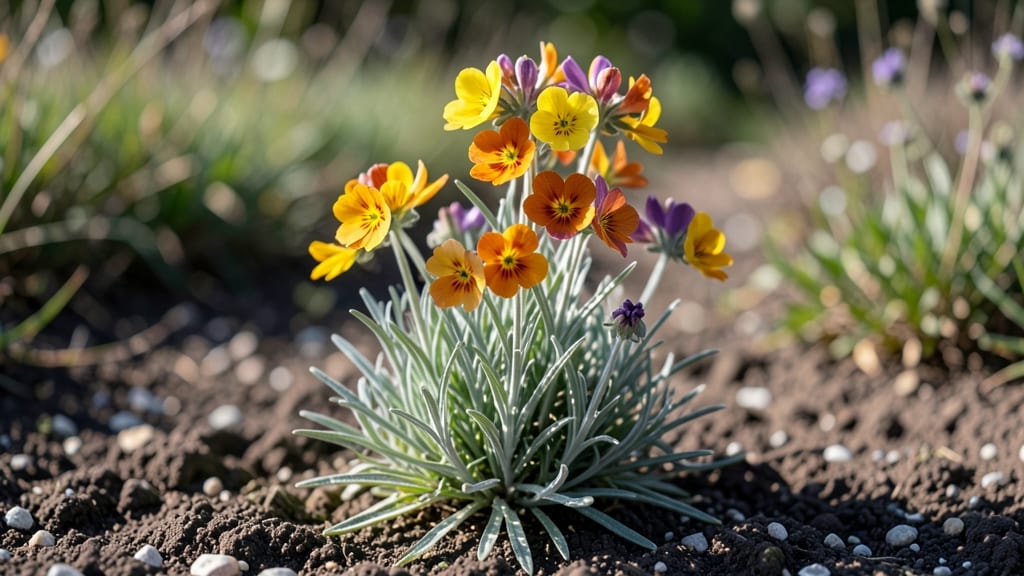
Wallflowers grow anywhere from 6 inches to 24 inches tall, depending on the variety and growing conditions — a range that makes them perfect for borders, slopes, or even container gardens.
Picture this: a cottage garden where dwarf wallflowers spill over stone walls like a cascade of purple and white, while their taller cousins stand proudly in the back, framing a rustic gate. That’s the magic of wallflowers — their height isn’t just a number; it’s a design tool.
Some varieties, like 'Bowles Mauve,' stay compact at 12-18 inches, ideal for edging or filling gaps between pavers. Others, such as 'Queen of Night,' reach 24 inches or more, adding drama to mixed borders or pollinator-friendly meadows. The key? Choosing the right type for your space.
In this guide, I’ll break down the height ranges of popular wallflowers, how to use them in garden layouts, and simple tricks to control their growth for a polished look. Ready to plan your perfect spring display?

Wallflower height ranges by variety: from dwarf to towering types
Wallflowers (Erysimum spp.) are incredibly versatile, with varieties ranging from tiny ground-huggers to towering perennials. This dramatic height variation lets you use them in everything from rock gardens to back-of-border plantings.
Whether you're designing a cottage garden or a modern pollinator-friendly space, understanding these height differences is key to creating visual harmony.
Most gardeners assume all wallflowers stay under 18 inches tall, but some tall cultivars can reach nearly 3 feet with proper care. The difference often comes down to genetics—dwarf hybrids are bred for compact growth, while standard and tall types grow more vigorously.
Let’s break down the exact height ranges you’ll encounter in popular varieties.
| Variety | Height Range | Best For | Notes |
|---|---|---|---|
| Dwarf Hybrids ('Bowles Mauve', 'Fire King') | 6–12 inches | Rock gardens, containers, slopes | Compact, sprawling habit; great for edging |
| Semi-Dwarf ('Queen of Night', 'White Lady') | 12–18 inches | Front of borders, window boxes | Upright growth; ideal for pollinators |
| Standard ('Ruby Glow', 'Moonlight') | 18–24 inches | Mid-border plantings, cottage gardens | Classic height; thrives in full sun |
| Tall ('Dwarf Gem Series', 'Sunset') | 24–36 inches | Back of borders, trellises, pollinator patches | May need staking; long blooming season |
| Wild Types (Erysimum cheiri) | 12–24 inches | Naturalized areas, meadow gardens | Highly fragrant; self-seeds readily |
The 'Bowles Mauve' wallflower, a classic dwarf hybrid, stays neatly between 6–12 inches, making it perfect for rock gardens or container plantings. Its sprawling habit also works well for slopes or erosion control in sunny areas.
Meanwhile, the 'Queen of Night' variety reaches 12–18 inches, offering a striking deep purple-black bloom that pairs beautifully with silver foliage plants like lamb’s ear.
If you’re designing a pollinator-friendly garden, taller varieties like 'Ruby Glow' (18–24 inches) or 'Sunset' (24–36 inches) create vertical interest while providing nectar for bees and butterflies. These tall cultivars often benefit from light staking to prevent flopping, especially in humid climates or heavy rainfall.
For container gardening, stick to dwarf or semi-dwarf varieties to avoid overcrowding. A 12-inch pot can comfortably hold 3–5 dwarf wallflowers, while a 16-inch container might fit 1–2 semi-dwarf plants paired with trailing thyme or alyssum for texture contrast.
Tall varieties need larger containers (18+ inches) to support their root systems.
One common misconception is that all wallflowers stay short. In reality, wild-type wallflowers (Erysimum cheiri) can grow 24 inches tall and often self-seed aggressively, making them ideal for naturalized areas or wildflower meadows.
Their fragrant blooms also make them a favorite for cut flower gardens when planted in clusters.
To maximize height control, deadhead spent blooms regularly—this encourages more compact growth and prolonged flowering. For tall varieties, consider pruning back by 1/3 after the first flush of blooms to promote bushier, sturdier stems. Amending soil with compost also helps prevent leggy growth in nutrient-poor conditions.
When planning your garden layout, use height as a guide for layered plantings. Place dwarf wallflowers (6–12 inches) at the front, semi-dwarf types (12–18 inches) in the middle, and tall varieties (18–36 inches) at the back.
This creates a natural tiered effect that draws the eye upward while keeping the space visually balanced.
For urban gardens with limited space, dwarf wallflowers are my top recommendation—they thrive in small pockets of soil, hanging baskets, or even cracks in paving stones. Their drought tolerance once established makes them low-maintenance
How wallflower height affects garden design and plant pairings
Understanding wallflower height variations transforms your garden from flat and predictable to layered and dynamic. Tall varieties (24-36 inches) like 'Queen of Night' create stunning vertical accents, while dwarf types (6-12 inches) like 'Ruby Glow' add delicate texture to borders.
These differences let you design with purpose—whether you're creating a cottage garden feel or a modern pollinator-friendly space.
I've found that height-based plant pairings solve common garden problems: hiding soil, filling gaps, and extending the blooming season. For example, pairing 18-inch wallflowers with 2-foot delphiniums creates natural height progression, while 6-inch dwarf wallflowers nestle perfectly between creeping thyme and ajuga.
The key is matching growth habits to avoid competition for sunlight or nutrients.
Vertical interest is where wallflowers truly shine. In my own garden, I use tall wallflowers (24+ inches) as natural trellises for climbing roses or clematis, while mid-height varieties (12-18 inches) serve as perfect backdrops for shorter perennials like lavender or catmint. This layered approach adds depth without requiring expensive structures.
Wallflower Height Guide for Design
- 6-12 inches (Dwarf): Perfect for front borders, rock gardens, or container edges. Pair with creeping thyme, ajuga, or dwarf iris.
- 12-18 inches (Semi-Dwarf): Ideal for mid-border planting with lavender, catmint, or salvia. Adds pollinator-friendly mid-height structure.
- 18-24 inches (Standard): Creates backdrop layers for roses, peonies, or foxgloves. Works well in cottage-style gardens.
- 24-36 inches (Tall): Use as vertical accents near fences or walls. Pairs beautifully with delphiniums or hollyhocks for drama.
🌼 Pro Tip: Mix heights in 5-inch increments for natural, flowing transitions.
For pollinator-friendly gardens, height matters just as much as color. Bees and butterflies prefer tall wallflowers (18+ inches) for easy access to nectar, while dwarf varieties provide ground-level shelter for beneficial insects.
I've noticed that planting wallflowers in staggered heights along pathways creates a "living corridor" that guides pollinators through the garden while keeping them engaged at multiple levels.
Don't overlook the seasonal interest that height variations create. Early spring 6-inch wallflowers bloom when little else is in flower, while tall summer varieties extend the season until frost.
In my experience, the 12-18 inch range offers the most versatility—perfect for both spring and fall plantings when paired with ornamental grasses or sedum for winter interest.
When designing with wallflowers, I always map out height zones first. Start with your tallest plants (36+ inches) as anchors, then work backward with mid-height (18-24 inches) and dwarf (6-12 inches) varieties.
This creates a natural pyramid effect that draws the eye upward while maintaining balance. The result? A garden that feels intentional and effortlessly layered.