
Blooming
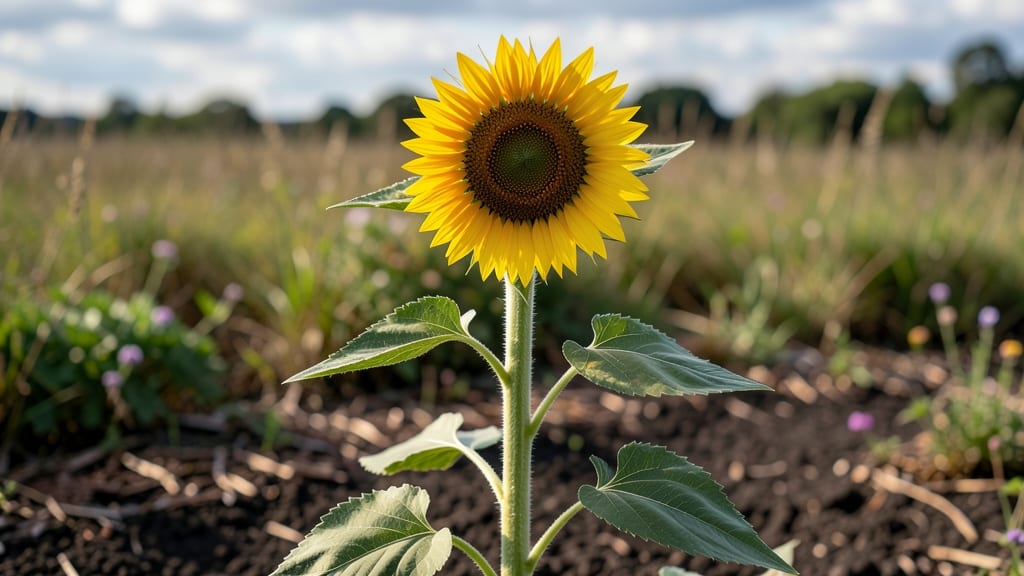
The sunflower blooming season transforms gardens into golden canvases when timed just right, with late summer through early fall offering the most vibrant displays 🌻. Want to witness sunflowers at their most radiant—but don’t know when to expect that golden spectacle?
The blooming season varies dramatically by climate, and planting at the wrong time could leave you waiting months for those towering, sun-drenched faces.
In USDA Zone 6a, like much of the Midwest, sunflowers typically burst into bloom between July and October, with peak color arriving in August. But in warmer zones like Zone 10, you might enjoy year-round blooms if you choose the right varieties.
Below, I’ll break down the exact months for your zone, how to extend the season with simple tricks, and why some sunflowers never bloom at all—plus how to fix it.
Exact sunflower blooming months by USDA hardiness Zone (with height timeline)
Sunflowers are nature's cheerful giants, but their blooming timeline depends heavily on your USDA hardiness zone. In Zone 5, you’ll see those golden faces from June to August, while Zone 10 gardeners can enjoy blooms nearly year-round.
The key? Planting at the right time and choosing varieties that match your climate’s growing window.
Most sunflowers take 60-90 days to bloom after planting, but cooler zones like Zone 3 may need early varieties, while Zone 9-10 can support successive plantings. Below, I’ve broken down the blooming windows and peak heights by zone, so you can plan your garden for maximum impact.
Notice how Zone 5 gardeners get a concentrated June-August show, while Zone 10 can enjoy blooms nearly year-round with the right varieties.
The height at peak bloom also varies—taller varieties like 'Russian Giant' reach 12-15 feet in warmer zones, while shorter types like 'Teddy Bear' stay under 3 feet in cooler climates.
In Zones 1-4, the short growing season means you’ll need to plant early-maturing varieties (60-70 days to bloom) to catch the July-August window. For example, 'Autumn Beauty' thrives in these zones, offering multi-colored petals and 6-foot heights at bloom time.
If you’re in Zones 7-10, you can push the envelope further. Successive planting every 2-3 weeks ensures a continuous bloom cycle from spring to fall. In Zone 9-10, some varieties even rebloom after deadheading, giving you year-round color with minimal effort.
For tall varieties (8+ feet), focus on staking or trellising to prevent toppling, especially in windy zones like Zone 6-7. Dwarf varieties (3 feet) are perfect for containers or small gardens in Zones 1-4, where space is limited.
Pro tip: Check your last frost date and count backward 90 days to determine your planting window. In Zone 5, that’s typically mid-May, while Zone 10 can plant as early as January for spring blooms.
Remember, sunflowers need full sun (6+ hours daily) and well-draining soil to reach their full height and bloom potential. If you’re in a shadier climate, opt for shorter varieties like 'Sunspot' (3-4 feet) to avoid disappointment.
Now that you know the exact blooming windows for your zone, you can plan your garden for a season-long sunflower spectacle
How to extend sunflower blooming season in different climates (proven tips)
Sunflowers are nature’s cheerful giants, but their blooming season can feel disappointingly short in many climates. Whether you’re in a chilly Zone 4 or a sweltering Zone 10, the right strategies can stretch those golden faces from summer into early fall—or even year-round in warm areas.
The key lies in understanding your climate’s quirks and adapting your approach.
For cooler regions, successive planting and cold-hardy varieties are your best friends. In hot zones, shade cloth and precise watering schedules can prevent early wilting.
Even the sunflower variety you choose makes a difference—early bloomers like 'Moulin Rouge' (65-70 days to flower) contrast sharply with late-season giants like 'Russian Giant' (120+ days). Let’s break down the proven tactics for your climate.
- 1 Successive Planting: In Zones 3-7, sow seeds every 2-3 weeks after the last frost for staggered blooms. Start with early varieties like 'Autumn Beauty' (70 days) and follow with 'Moulin Rouge'.
- 2 Cold-Hardy Varieties: Choose 'Russian Mammoth' or 'Lemon Queen' for Zones 2-5. These tolerate light frosts and bloom later into fall when other varieties fade.
- 3 Shade Cloth for Heat Zones: In Zones 8-10, use 30-50% shade cloth during peak summer (10 AM–4 PM) to reduce stress. This prevents premature wilting and extends blooms by 3-4 weeks.
- 4 Deep Watering Schedule: Water deeply every 2-3 days in summer, focusing on the root zone. Avoid wetting leaves to prevent powdery mildew, which shortens bloom time.
- 5 Deadheading: Snip spent blooms below the next bud to redirect energy to new flowers. This can add 2-3 weeks to the blooming season, especially for 'Teddy Bear' varieties.
In cooler climates, timing is everything. I’ve found that planting 'Autumn Beauty' in late May and 'Russian Giant' in early June gives me blooms from July through October—nearly double the usual window.
For hotter zones, combining shade cloth with a morning watering routine keeps my sunflowers thriving well into November.
Don’t overlook the power of soil preparation either. Amend your beds with compost and bone meal before planting to ensure robust growth. Phosphorus-rich soil helps sunflowers develop strong stems and vibrant blooms, which is critical for extending their season.
In my Zone 6 garden, this simple step has added 10-14 days to the blooming period.
For year-round blooms in warm climates, treat sunflowers as annuals and plant new seeds every 8-10 weeks. In Zone 10, I’ve had success with 'ProCut' varieties, which are bred for continuous flowering. Pair this with drip irrigation to maintain consistent moisture without overwatering.
Finally, embrace container gardening for flexibility. In cooler months, move potted sunflowers to a south-facing porch or under a greenhouse to protect them from early frosts. This low-tech hack has let me enjoy blooms well past the first frost in Zone 5.