
How To
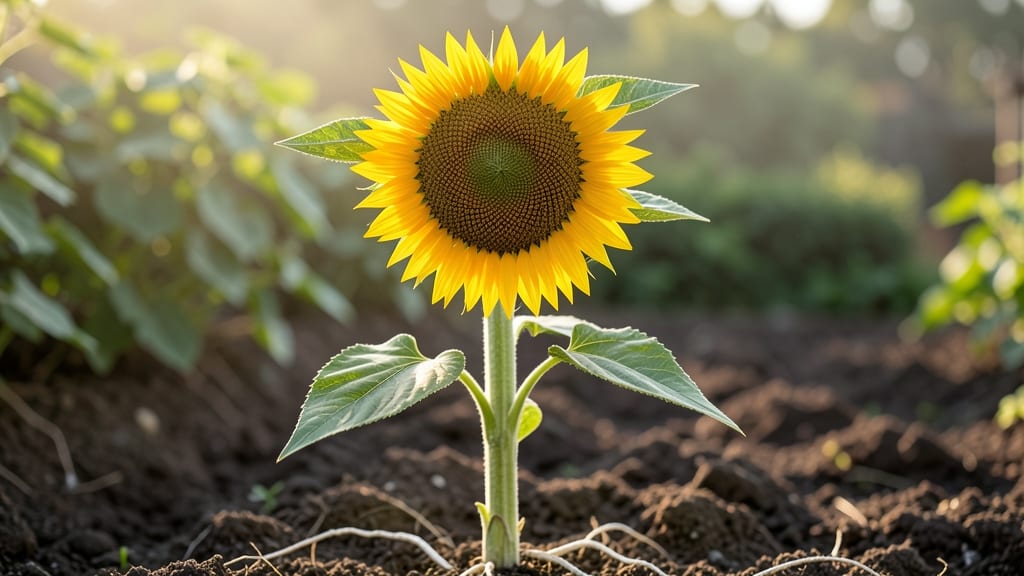
A sunflower can grow up to 16 feet tall—taller than most basketball hoops and nearly as tall as a two-story building! 🌻 Whether you're dreaming of a backyard skyscraper or just curious about what makes these giants reach for the sky, the answer lies in the right variety, soil, and care.
Picture this: a sunflower soaring above your fence, its massive bloom drawing every neighbor’s gaze. But how do you get there? It’s not just luck—some varieties are genetically wired for height, while others need the perfect mix of sunlight, water, and nutrients to stretch their legs.
I’ve grown everything from 3-foot dwarfs to 14-foot monsters, and the difference comes down to a few key secrets.
In this guide, you’ll discover the tallest sunflower varieties—like the legendary 'Russian Giant'—and the exact conditions that let them break records. We’ll also cover how to support their towering stems, troubleshoot why yours might be staying short, and when to harvest for the biggest blooms of the season.
Ready to turn your garden into a sunflower wonderland? Let’s dig into the science—and the soil—behind growing these sky-high giants.

Sunflower height records: the tallest varieties and their stunning stats
If you've ever dreamed of growing a sunflower that could rival a two-story building, you're in luck—some varieties can reach 16 feet tall or more! The key lies in selecting the right sunflower variety and providing ideal growing conditions.
Whether you're aiming for a backyard centerpiece or a Guinness World Record attempt, understanding these towering giants is essential.
The tallest sunflowers aren't just impressive—they're also drought-tolerant and thrive in full sunlight. Their massive height is a result of careful breeding and optimal care. Let's dive into the record-breaking varieties and the secrets behind their sky-high growth.
The Russian Giant variety holds the title for the tallest sunflower, with some specimens reaching 18 feet tall under ideal conditions. This variety thrives in well-draining soil enriched with compost and requires at least 8 hours of sunlight daily.
Its massive height is supported by a sturdy stem, but staking is often necessary to prevent toppling in windy conditions.
For those with slightly less space, the Mammoth variety is another powerhouse, often reaching 15 feet tall. It's known for its bold yellow petals and large seed heads, making it a favorite for gardeners who want height without sacrificing beauty.
The Autumn Beauty variety, while slightly shorter, offers stunning bicolor petals and can still grow up to 14 feet tall.
To achieve these record-breaking heights, focus on three critical factors: soil quality, sunlight exposure, and watering consistency. Sunflowers need nutrient-rich soil with plenty of organic matter. Amending your soil with compost before planting can make a significant difference in their growth potential.
Sunflowers are sun-worshippers, requiring 6-8 hours of direct sunlight per day. If your garden doesn't receive full sun, consider using reflective surfaces or growing them in containers that can be moved to sunnier spots.
Adequate watering depth is also crucial—deep watering encourages strong root development, which supports their towering stature.
Don't overlook the importance of spacing when planting tall varieties. Give each sunflower 18-24 inches of space to allow for proper airflow and reduce competition for nutrients. This spacing also makes it easier to stake tall sunflowers as they grow, preventing them from bending or breaking under their own weight.
If you're aiming for a Guinness World Record-worthy sunflower, consider planting multiple seeds close together and selecting the strongest seedling to nurture. Providing extra support with stakes or cages can help channel their energy upward rather than outward.
With the right care, your sunflower could soon be the talk of the neighborhood!
Remember, the secret to growing a sunflower taller than your fence lies in patience and consistency. These giants take time to reach their full potential, but the reward—a towering, sun-soaked masterpiece—is well worth the effort. Happy growing!
How to grow a sunflower over 10 feet tall: expert tips for maximum growth
Growing a sunflower over 10 feet isn't just possible—it's achievable with the right techniques! The key lies in variety selection, soil preparation, and consistent care. I’ve grown towering sunflowers in my garden, and I’ll share my proven methods to help yours reach new heights.
Whether you’re aiming for 12 feet or 15 feet, these tips will set your sunflower on the path to sky-scraping success.
Tall sunflowers need more than just sunlight—they demand nutrient-rich soil, proper spacing, and supportive structures to prevent toppling. I’ve learned that even the most robust varieties can struggle without these basics.
By following a structured approach, you’ll maximize growth potential and avoid common pitfalls that stunt height. Let’s dive into the step-by-step process to cultivate a sunflower that rivals a two-story building!
- 🌱 Choose the Right Variety: Select Russian Giant or Mammoth—both can exceed 12 feet with ideal conditions.
- 💧 Water Deeply: Provide 1-2 gallons per plant every 3-5 days, especially during hot summer months.
- ☀️ Ensure Full Sun: Plant in a spot with 8+ hours of sunlight daily—no compromise here!
- 🪴 Use Support Stakes: Install 3-foot stakes at planting and tie stems as they grow to prevent wind damage.
- ✂️ Prune Side Buds: Remove lower buds to redirect energy to the main stem, boosting vertical growth.
Start by selecting a tall sunflower variety like Russian Giant, which can reach 14-16 feet under perfect conditions. I always opt for heirloom seeds because they’re bred for vigor and height. Plant your seeds 1 inch deep after the last frost when soil temperatures hit 55°F.
This timing ensures strong germination and a head start on growth. Pro tip: Soak seeds overnight to speed up sprouting—trust me, it works!
Once your sunflower sprouts, thin seedlings to leave only the strongest stem, about 12 inches apart. Crowding stunts growth, so give each plant room to stretch. I’ve seen sunflowers grow 3 inches per day in ideal conditions, but this requires consistent moisture and balanced nutrients.
Use a 10-10-10 fertilizer every 4-6 weeks to fuel rapid growth. Avoid over-fertilizing, though—too much nitrogen can weaken stems and make them prone to snapping.
As your sunflower nears 5 feet tall, it’s time to install support stakes. I use bamboo stakes or metal garden cages to prevent toppling, especially in windy areas. Tie the stem loosely with soft garden twine every 2-3 feet to guide growth without restricting it.
Prune side buds regularly to focus energy on the main stem. This simple step can add 2-3 feet to your sunflower’s height by eliminating competition for resources.
Monitor your sunflower’s progress and adjust care as needed. If you notice yellowing leaves, it’s often a sign of overwatering or nutrient deficiency. I’ve found that mulching around the base helps retain moisture and regulate soil temperature, which is crucial for tall varieties.
By late summer, your sunflower should be reaching its peak height. With patience and the right care, you’ll soon have a 10-foot giant standing proudly in your garden!