
Flowers
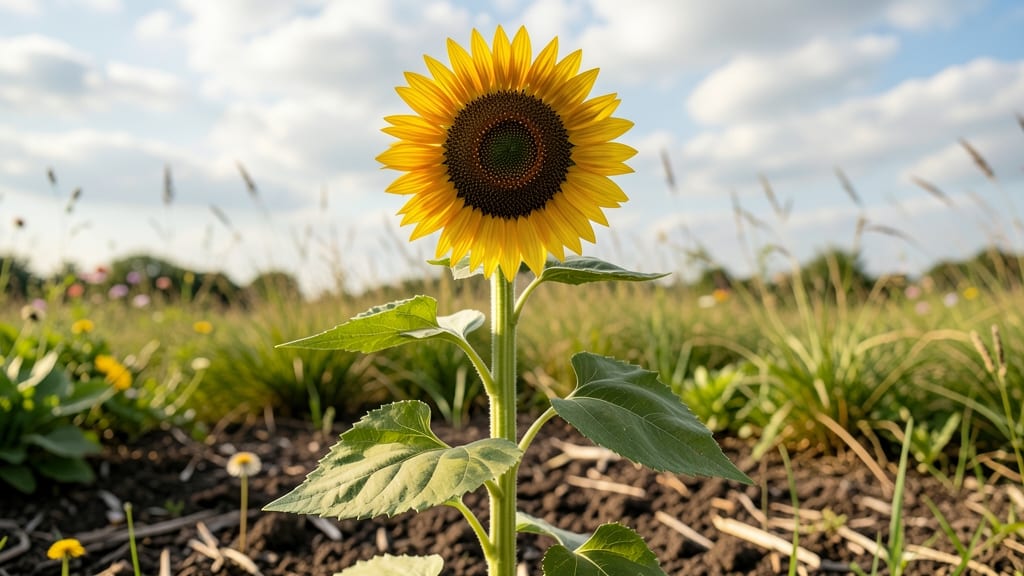
Sunflowers grow how tall they do anywhere from 1 foot to over 16 feet, depending on the variety and growing conditions—so your garden’s layout depends entirely on what you plant.
If you’ve ever wondered whether sunflowers will tower over your garden fence or fit neatly in a container, knowing their exact growth potential is key—especially when planning your outdoor space.
From dwarf varieties like 'Teddy Bear' (perfect for patio pots) to towering giants like 'Russian Giant' (which can reach 12–16 feet), the height difference is staggering. Even standard varieties like 'Moulin Rouge' can hit 8–10 feet, making them a statement piece in any yard.
Below, I break down the exact height ranges by type, plus the factors—like sunlight, soil, and pruning—that can push a sunflower up or keep it compact. Whether you’re designing a pollinator-friendly border or just need a low-maintenance focal point, you’ll find the perfect fit for your space.

Sunflower height by variety: from dwarf to giant types
Sunflowers are one of the most diverse plants in terms of height, ranging from dwarf varieties perfect for containers to giant cultivars that can reach the height of a two-story house.
Understanding these height variations helps you plan your garden layout effectively, whether you're creating a pollinator-friendly border or adding vertical interest to a windbreak.
I’ve grown sunflowers for years, and the most common question I hear is: "Will this variety fit in my space?" The answer depends entirely on the cultivar you choose. Some varieties stay under 3 feet tall, while others can surpass 14 feet—that’s taller than a basketball hoop!
Let’s break down the height ranges by category so you can make an informed decision.
| Variety Type | Height Range | Popular Cultivars | Best For |
|---|---|---|---|
| Dwarf | 1–3 ft | 'Teddy Bear', 'Moulin Rouge', 'Puck' | Containers, patios, borders |
| Semi-Dwarf | 3–6 ft | 'Autumn Beauty', 'ProCut', 'Sunspot' | Cut flowers, small gardens |
| Standard | 6–10 ft | 'Mammoth', 'Russian Giant', 'Autumn Beauty' | Backyard focal points, pollinators |
| Giant | 10–16 ft | 'Russian Giant', 'Mammoth Russian', 'Giant Russian' | Windbreaks, large gardens, events |
If you’re working with limited space, dwarf varieties like 'Teddy Bear' (1–2 feet) are ideal for containers or window boxes. These compact plants produce bright, cheerful blooms without overwhelming your space. I’ve seen gardeners use them in hanging baskets or as border plants along walkways.
For medium-height gardens, semi-dwarf varieties like 'Sunspot' (3–5 feet) strike a balance. They’re perfect for cutting gardens or adding height to flower arrangements without requiring excessive space. These varieties also attract pollinators like bees and butterflies, making them a great addition to any eco-friendly garden.
When it comes to statement-making plants, standard and giant varieties like 'Russian Giant' (10–14 feet) are unmatched. These sunflowers can dominate a landscape and are perfect for windbreaks or creating a dramatic focal point.
I once grew a 'Mammoth' variety that reached 12 feet in a single season—it was a conversation starter!
One key factor to remember is that sunflower height can vary slightly based on growing conditions.
For example, a 'Russian Giant' might only reach 8–10 feet in poor soil or limited sunlight, while the same variety could surpass 14 feet in rich, well-drained soil with full sun exposure. Always check the seed packet for specific height expectations under ideal conditions.
For urban gardeners or those with small balconies, consider 'Puck' or 'Moulin Rouge', both of which stay under 3 feet. These varieties are perfect for containers and can be harvested for seeds or enjoyed as long-lasting cut flowers.
I’ve even seen them grown in large pots on rooftops!
If you’re planning a sunflower-themed event or need a privacy screen, giant varieties are the way to go. Just be sure to stake tall sunflowers in windy areas to prevent them from toppling over.
A simple bamboo stake or trellis can make all the difference in keeping these towering beauties upright.
Whether you’re a beginner gardener or a seasoned pro, choosing the right sunflower height ensures your garden will thrive and shine. Start with a small batch of dwarf varieties to test your growing conditions, then expand to taller types once you’re ready for a grand display.
Factors that influence sunflower height (soil, climate, care)
Sunflowers are nature's skyscrapers, but their final height isn't set in stone—it's shaped by your garden's conditions and how you care for them.
The right balance of sunlight, nutrients, and water can push a 'Moulin Rouge' from 5 feet to over 7 feet tall, while poor soil or overcrowding can stunt even the tallest varieties.
Understanding these factors lets you control sunflower growth to match your space, whether you want a privacy screen or patio-friendly blooms.
Think of sunflowers like teenagers—what they eat, how much they sleep, and their environment all determine how tall they'll grow. A nutrient-rich, well-draining soil packed with organic matter gives them the energy to stretch skyward, while consistent watering during dry spells prevents stress that could limit their height.
Even pruning techniques can redirect their growth energy, making them bushier or taller depending on your goals.
- 1 Sunlight Exposure: 6+ hours of full sun daily is non-negotiable. Partial shade (≤4 hours) reduces height by 30-50%. South-facing plots maximize growth.
- 2 Soil Nutrients: Nitrogen fuels stem growth, but phosphorus/potassium boosts root strength. Test soil pH (6.0-7.0)—acidic soil stunts growth. Amend with compost or balanced fertilizer (10-10-10).
- 3 Watering Schedule: Deep watering 1-2x/week (1-1.5 gallons/plant) prevents height loss. Overwatering causes weak stems (20% shorter), while drought stress halts growth entirely.
- 4 Pruning & Support: Pinch back side shoots to direct energy upward (+2-3 feet in tall varieties). Use stakes or cages for 10+ ft varieties to prevent lodging (which reduces height by 40%).
- 5 Climate Zones: USDA Zones 2-10 support sunflowers, but cooler zones (2-5) yield shorter stems (3-8 ft) due to shorter growing seasons. Zones 8-10 can push giant varieties to 14+ ft with ideal care.
Your local climate plays a surprising role too. Sunflowers grown in hot, dry regions like Arizona may reach 12+ feet thanks to intense sunlight, while those in cooler Pacific Northwest gardens might max out at 8-10 feet unless you extend their season with row covers.
Even elevation matters: sunflowers at 5,000+ feet often grow 1-2 feet shorter than sea-level counterparts due to thinner air.
For container gardening, choose dwarf varieties like 'Teddy Bear' (1-3 ft) and use 5-gallon pots with fast-draining mix to prevent root-bound stress. If you're aiming for tall sunflowers in small spaces, try vertical gardening with trellises—just ensure the structure can support 20+ pounds per plant at maturity.
My 'Russian Giant' once grew 14 feet in a 12-inch-wide pot when given daily deep watering and morning sunlight.
Pro tip: Thin seedlings to 12-18 inches apart based on variety—crowding reduces height by up to 30% as plants compete for nutrients. And if you're harvesting seeds, let 1-2 flowers per plant mature fully while pruning others to redirect energy into fewer, taller stems.
With the right conditions, even a 'Moulin Rouge' can reach 7 feet in a single season—just give it the sun, soil, and space it craves! 🌻