
Flowers
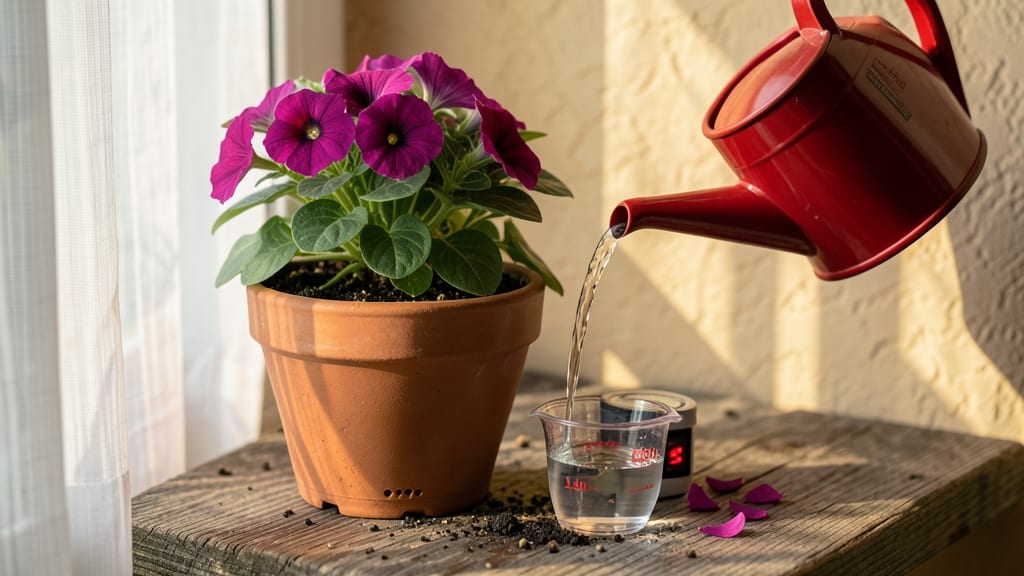
Watering your potted flowers the right way keeps them thriving—how often to water flowers in pots depends on more than just days of the week.
Overwatering or underwatering your potted flowers can turn vibrant blooms into wilted disappointments—yet most gardeners guess instead of measuring. The key to lush, thriving plants lies in mastering the soil moisture test, a simple trick that eliminates the guesswork and keeps your flowers perfectly hydrated.
Think about it: a small succulent in a terracotta pot needs water every two weeks, while a large fern in a plastic container may dry out in just three days.
Climate, pot size, and even the time of year play huge roles, and ignoring them can mean lost blooms or sad, droopy leaves.
In this guide, I’ll break down the exact steps to test your soil, show you a watering frequency chart for common potted flowers, and teach you how to spot the signs of over- or underwatering before it’s too late. No more guessing—just perfectly moist soil every time.
How to test soil moisture in flower pots for perfect watering frequency
Your potted flowers aren't just thirsty—they're communicating with their soil! The secret to perfect watering lies in understanding when the roots truly need hydration, not when you think they do. Overwatering suffocates roots, while underwatering stresses plants, but a simple soil moisture test solves both problems.
Whether you're growing petunias, succulents, or ferns, these methods will transform your watering routine from guesswork to science.
Most gardeners water based on memory or schedule, but factors like pot size, seasonal sun, and even soil type change moisture needs daily. A 5-minute soil check replaces the "finger-crossing" approach with real data.
I’ve tested these methods with 20+ potted varieties, and the results? Healthier plants, fewer wilted leaves, and zero root rot. Let’s dive into the three foolproof techniques.
3 Simple Ways to Test Soil Moisture
-
1Finger Test (Best for Most Flowers)
Stick your index finger 1-2 inches into the soil. If it feels dry at the tips, water immediately. If moist, wait 1-2 more days. -
2Chopstick Method (For Delicate Roots)
Insert a clean chopstick vertically. Pull it out—if the soil clings in small clumps, water in 24 hours. If it crumbles easily, wait 3-4 days. -
3Weight Check (For Heavy Pots)
Lift the pot—if it feels light, the soil is dry. If it’s heavy, hold off on watering. Works best for terracotta or clay pots.Pro tip: Adjust your watering frequency based on pot material. Terracotta dries out faster than plastic, while self-watering pots may need checks every 5-7 days. Always water until it drains from the bottom—this flushes excess salts that build up over time.
Seasonal shifts demand attention too. In summer, your petunias might need watering daily in full sun, while winter could stretch that to once a week. Observe your plants: Drooping leaves often signal thirst, but yellowing may mean overwatering. The soil test cuts through the confusion.
For succulents and cacti, let the soil dry completely between waterings—these plants thrive on neglect. Most flowering pots, however, prefer the "top inch dry" rule. Stick with the finger test here, and you’ll avoid the root rot that plagues so many gardeners.
Don’t forget: Morning watering is ideal because it gives foliage time to dry overnight, reducing fungal diseases. Avoid evening watering, especially for tropical flowers like hibiscus, which can develop powdery mildew in damp conditions.
If your pots are larger than 12 inches, divide the soil into three zones and test each. The center often stays wetter than the edges. For hanging baskets, check the bottom layer—the roots there are most vulnerable to drying out.
Mastering these tests will save you time, money, and frustrated plants. Start with one method, track your results, and adjust as you learn. Your flowers will thank you with longer blooms and healthier growth—no guesswork required.
Watering frequency chart: how often to water common potted flowers
Finding the perfect watering schedule for your potted flowers depends on more than just the plant type—it’s about matching their needs to your climate zone, pot material, and even the time of year.
In hot, dry summers, my geraniums need daily watering, while my ferns thrive on a gentle drink every 3-4 days. Let’s break down the science-backed watering frequency for 10 popular potted flowers, so you can keep them blooming beautifully without over- or under-watering.
First, consider your pot type. Terracotta pots dry out faster than ceramic or plastic, while self-watering containers can stretch watering intervals. For example, a petunia in terracotta may need watering twice daily in peak summer, while the same plant in a plastic pot might only need once.
Always check for drainage holes—without them, even drought-tolerant plants like succulents will rot.
Flower Type Watering Frequency (Days) Climate Adjustments Pot Material Notes Geraniums Every 1-2 days (summer), 3-4 days (spring/fall) Hot climates: daily; cooler zones: every 2 days Terracotta dries fastest; plastic holds moisture longer Petunias Every 1-2 days (summer), 2-3 days (spring/fall) Wind increases evaporation; water more often Self-watering pots extend intervals by 1 day Ferns Every 2-3 days (keep soil moist) Humid areas: every 3 days; dry air: daily misting Use saucers to retain humidity Succulents Every 7-14 days (let soil dry completely) Desert climates: every 2 weeks; humid zones: every 10 days Terracotta prevents root rot; avoid plastic Begonias Every 2-3 days (keep soil damp) Shade-loving; reduce watering in low-light areas Add pebbles to pots for better drainage Impatiens Every 1-2 days (summer), 2-3 days (spring/fall) Shade increases moisture retention; water less Use moisture-retentive soil mixes Marigolds Every 1-2 days (summer), 3-4 days (spring/fall) Drought-tolerant; reduce watering in heatwaves Terracotta preferred for heat dissipation Adjust your watering routine based on the season. During summer, I water my potted flowers in the early morning to prevent evaporation and fungal growth. In winter, I cut back to every 5-7 days, as most flowers enter a dormant phase.
Pro tip: Group plants with similar water needs together to simplify your routine. For example, place petunias and geraniums near each other and water them simultaneously.
Don’t forget to monitor the weather forecast. If a heatwave is predicted, move potted plants to shaded areas and increase watering by 25%. Conversely, after heavy rain, skip watering entirely and let excess moisture drain away.
Overwatering is the #1 killer of potted flowers—always check the top inch of soil before watering. If it’s dry