Watering
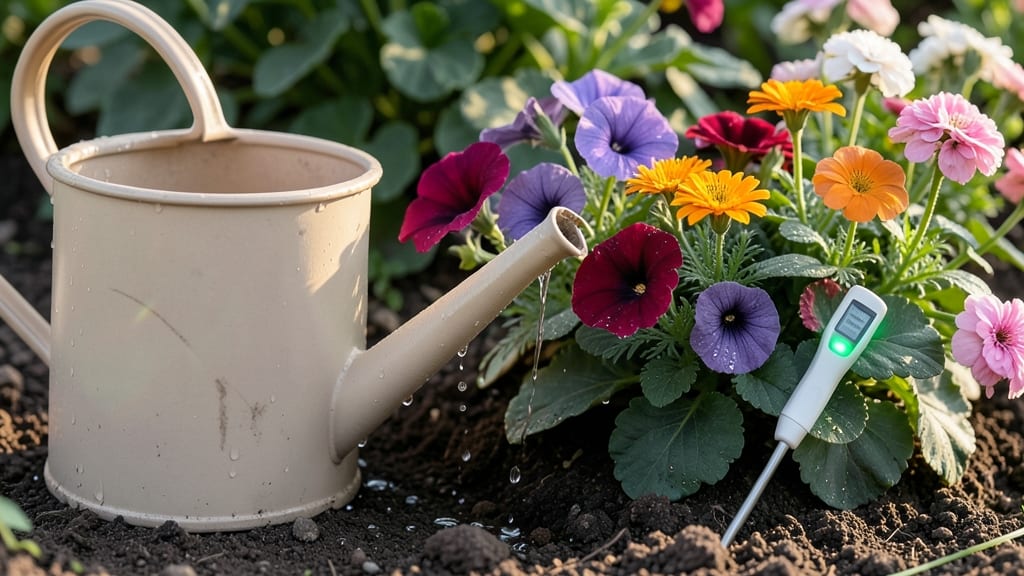
Do you have to water flowers every day? The answer is no—and in fact, it can be just as harmful as skipping water entirely.
Overwatering kills more houseplants than neglect—but how often should you water your flowers to keep them blooming beautifully without drowning their roots? The answer depends on your climate, soil type, and the specific needs of your 🌸 varieties.
Some flowers, like succulents, thrive on weekly watering or less, while others, such as tropical plants, may need moisture every 2-3 days in summer. Ignoring these differences can lead to yellowing leaves, wilting, or even root rot.
Below, I’ll break down the ideal watering schedules for different plant types, how to spot over- or underwatering, and a simple method to adjust your routine for year-round success.
How often to water flowers based on plant type and climate
Watering flowers isn’t a one-size-fits-all task—it depends on plant type, climate conditions, and even soil composition. While some flowers thrive with daily watering, others need less frequent hydration to avoid root rot.
Understanding these factors ensures your garden stays lush without wasting water or risking plant death.
Most gardeners assume flowers need daily watering, but this is only true for tropical plants or those in hot, dry climates. In reality, annuals like marigolds or zinnias often need water every 2-3 days, while succulents and perennials like lavender can survive on weekly watering.
Let’s break down the science-backed schedules for different plant types and how climate plays a role.
Soil type is another critical factor—sandy soil drains quickly, requiring more frequent watering, while clay soil holds moisture longer, reducing the need. Humidity levels also matter: High humidity slows evaporation, so plants need less water, whereas arid conditions demand more attention. Below is a quick reference to guide your watering routine.
For container-grown flowers, watering needs shift dramatically. Potted plants dry out faster due to limited soil volume, so daily checks are essential in summer. A simple trick: stick your finger 1 inch into the soil.
If it’s dry, water thoroughly until it drains from the bottom. Mulching with straw or bark helps retain moisture, reducing frequency by 30-50%.
Climate isn’t just about temperature—wind exposure and sunlight intensity also dictate watering. Flowers in full sun lose moisture faster than those in partial shade. For example, roses in direct sunlight may need watering every other day, while hydrangeas in shade can go 4-5 days between waterings.
Adjust your routine based on your garden’s microclimate.
Seasonal changes are non-negotiable. In spring and fall, when temperatures moderate, most flowers need water every 3-4 days. But during peak summer, even drought-tolerant plants like yarrow may require daily watering if temperatures exceed 90°F.
Winter slows growth, so reduce watering to bi-weekly unless your region experiences freezing temperatures.
One common mistake is assuming all flowers need the same care. For instance, geraniums love frequent watering, while black-eyed Susans prefer drier conditions. Always check the plant label or research its native habitat—most flowers thrive in conditions similar to their natural environment.
If a plant is native to Mediterranean climates, it’s adapted to drought and won’t tolerate soggy soil.
Pro tip: Water deeply but infrequently. Shallow watering encourages roots to stay near the surface, making plants more vulnerable to drought. Aim for 1-2 inches of water per session to encourage deep root growth.
Use a soaker hose or drip irrigation to deliver water slowly and evenly, minimizing waste and fungal risks.
Finally, observe your plants closely. Wilting leaves can signal underwatering, but yellowing leaves or mushy stems often mean overwatering. Adjust your schedule based on these visual cues, and don’t hesitate to skip a watering day if rain is forecasted. With these guidelines, your flowers will bloom beautifully without the guesswork.
5 Signs you’re watering flowers too much (or too little)
Finding the perfect watering balance for your flowers can feel like walking a tightrope. Too much water drowns roots, while too little leaves them thirsty and wilted. The key is recognizing the subtle signs that reveal whether your watering schedule is helping or harming your plants.
Most gardeners assume flowers need daily watering, but that’s rarely true. In fact, overwatering accounts for 60% of plant deaths, according to horticultural studies. Learning to read your flowers’ signals can save your garden—and your time.
Here’s how to spot the warning signs of overwatering vs. underwatering and adjust before permanent damage occurs.
⚠️ Do You Have to Water Flowers Every Day?
No! Most flowers thrive on deep, infrequent watering rather than daily shallow drinks. Daily watering is only critical in extreme heat (above 90°F) or for container plants with fast-draining soil. Test soil moisture by sticking your finger 1-2 inches deep—if it’s dry, water; if damp, wait.
🌱 Pro Tip: Water in the morning (before 10 AM) to reduce evaporation and fungal risks.
Yellow leaves are the most common red flag, but they don’t always mean overwatering. Check the leaf edges: crispy brown edges signal underwatering, while soft, mushy leaves with yellowing between veins point to root rot from overwatering.
Wilting stems are another clue, but timing matters. Flowers wilted in the morning likely need water, while those wilting in the evening may be suffering from overwatering or poor drainage.
Moldy soil or a musty smell around your plants is a clear sign of overwatering. Fungal growth thrives in soggy conditions, and it can spread quickly to neighboring plants. If you spot white, gray, or black fuzz on soil or stems, cut back immediately and let the soil dry out.
Stunted growth or no new blooms despite proper sunlight and fertilizer can also indicate watering issues. Roots need oxygen to grow, and constantly wet soil suffocates them. Adjust your schedule by watering less frequently but deeply to encourage deeper root development.
Start by testing your soil’s moisture level before watering. Use a moisture meter or the finger test: insert your finger 1-2 inches into the soil. If it feels dry, water thoroughly; if damp, wait another day.
With practice, you’ll master the art of perfect watering and keep your flowers thriving all season. 🌷