Propagation
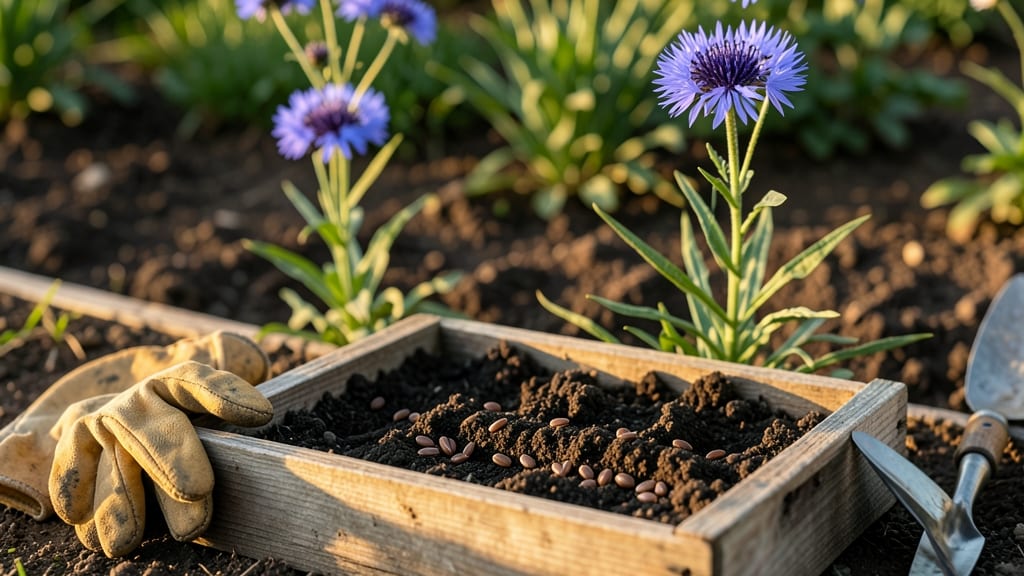
Growing cornflowers from seed takes about 75 days to bloom, but the journey starts with a 5- to 14-day germination window that can feel like a lifetime if you’re watching closely.
Watching cornflowers bloom from tiny seeds is one of gardening’s simplest yet most rewarding experiences—but patience is key. If you’ve ever wondered how long it takes for cornflower seeds to transform into vibrant blue blooms, you’re in the right place.
From the first sprouts peeking through the soil to the first true leaves and eventual full bloom, timing matters. Cornflowers thrive in USDA Zone 6a when sown in spring, but soil warmth and sunlight play bigger roles than most gardeners realize.
Below, I’ll break down the full timeline—from seed to those iconic blue blooms—plus the tricks to speed things up (or troubleshoot delays) so you’re not staring at bare soil for months.

Cornflower germination timeline: from seed to sprout in days
Cornflowers (Centaurea cyanus) are one of the easiest annuals to grow from seed, but their germination timeline depends heavily on soil temperature and moisture. Under ideal conditions, you’ll see those first tiny sprouts in just 5-14 days.
The key is creating a warm, moist environment that mimics spring conditions—without overdoing the water, which can lead to damping off.
I’ve found that starting seeds indoors 4-6 weeks before your last frost date gives them a head start. For most gardeners in USDA Zone 6a (like me!), that means sowing in late March or early April.
If you’re planting directly outdoors, wait until soil temperatures reach at least 50°F (10°C)—cornflower seeds need warmth to break dormancy.
Here’s the germination timeline you can expect, along with the ideal conditions to accelerate those first sprouts:
| Stage | Timeframe | Soil Temp (°F) | Moisture Level | Key Action |
|---|---|---|---|---|
| Seed Sowing | Day 0 | 50-70°F | Consistently damp | Plant 1/4" deep in well-draining soil |
| Radicle Emerges | Days 3-5 | 60-75°F | Moist (not soggy) | Keep soil warm with heat mat if needed |
| First Sprouts | Days 5-14 | 65-70°F | Even moisture | Thin seedlings to 12" apart |
| True Leaves | Days 14-21 | 60-75°F | Moderate water | Hardening off for outdoor transplant |
The first critical stage is when the radicle (tiny root) emerges—this happens within 3-5 days if your soil stays warm and damp.
I’ve learned the hard way that overwatering at this stage can suffocate seeds, so I use a spray bottle to keep the soil evenly moist rather than soaking it. A heat mat set to 70°F (21°C) can cut germination time in half if your home runs cool.
One of the most common pitfalls is damping off, a fungal disease that turns seedlings into mushy stems. To prevent it, I avoid crowding seeds and ensure good air circulation.
If you notice blackened stems, remove affected seedlings immediately and reduce watering slightly. Cornflowers are surprisingly resilient once they sprout, but they need a strong start.
For faster germination, I’ve had success soaking seeds in warm water for 24 hours before planting. This mimics natural rainfall and can shave off 2-3 days from the timeline. Just be sure to plant them immediately after soaking—they’ll dry out quickly.
Another trick is to cover your seed trays with plastic wrap until sprouts appear, creating a mini greenhouse effect.
Once your cornflowers have their first set of true leaves (not the initial seed leaves), they’re ready for transplanting outdoors. This usually happens around 14-21 days after sowing, depending on conditions.
I always harden them off for a week by placing them outside in a sheltered spot during the day and bringing them in at night. This gradual adjustment prevents shock and sets them up for stronger growth.
If your seeds take longer than 14 days to sprout, don’t panic—it might just mean cooler soil temperatures. Cornflowers are tough little seeds, and they’ll eventually push through if given time. Just keep the soil consistently moist and patient.
In my experience, the slowest germination happens in early spring when soil temps hover around 50°F (10°C), but they’ll catch up once it warms up.
Pro tip: If you’re growing cornflowers for cut flowers, you can actually speed up the entire process by giving them full sun (6+ hours daily) and slightly drier soil once they’re established.
This encourages faster stem elongation and earlier blooms. Just remember—once they’re past the seedling stage, less water is better than too much.
🌱
Cornflower growth stages to full bloom: weeks to months explained
Once your cornflower seeds have sprouted, the real magic begins! From tiny seedlings to those stunning blue blooms, the journey typically takes 6-12 weeks, though faster varieties like 'Blue Horizon' can bloom in as little as 7-8 weeks.
Understanding each stage helps you provide the right care for vibrant, healthy plants. Let’s break down the timeline so you can track progress and troubleshoot any delays.
After germination (which usually takes 5-14 days), your cornflower seedlings will enter their vegetative growth phase. This is when they focus on building strong roots and stems rather than producing flowers. Proper sunlight and soil moisture are critical during this stage to avoid leggy or weak plants.
I’ve found that keeping seedlings in a sunny spot and watering consistently helps them develop the resilience needed for later growth.
Here’s a clear breakdown of the key stages from seedling to full bloom, including what to expect each week:
- 🌱 Week 1-2: First true leaves appear (not the initial seed leaves). Seedlings should have 2-4 leaves and be about 2-3 inches tall. Thin seedlings to 12 inches apart to prevent overcrowding.
- 🌿 Week 3-4: Stem elongation begins. Plants grow 4-6 inches tall and develop a more robust structure. This is when you’ll notice the classic cornflower blue-green foliage.
- 🌸 Week 5-6: Bud formation starts! Small flower buds appear at the stem tips. Ensure full sun exposure (6+ hours daily) to encourage bud development. Varieties like 'Black Ball' may show buds slightly earlier.
- 💧 Week 7-8: First blooms open! Petals unfurl fully, revealing their iconic blue, pink, or purple centers. Fast growers like 'Blue Horizon' often bloom by Week 7, while slower types may take until Week 9-10.
- ☀️ Week 9-12: Peak flowering occurs. Stems may continue growing, producing multiple blooms per plant. Deadhead spent flowers to encourage new blooms and prolong the flowering season.
One of the most exciting moments is watching those first buds form! I remember my first time growing cornflowers—the way the buds swell and then burst into color feels like nature’s own fireworks. Bud formation (around Week 5-6) is a great indicator that your plants are thriving.
If buds appear but don’t open, check for adequate sunlight or overcrowding, as these can delay blooming.
Not all cornflowers bloom at the same pace. Fast-growing varieties like 'Blue Horizon' or 'Carmen' can reach full bloom in as little as 7-8 weeks, while taller varieties like 'Black Ball' may take closer to 10-12 weeks.
If your plants seem slower to bloom, consider their sunlight exposure—cornflowers need at least 6 hours of direct sun daily to reach their full potential. I’ve also noticed that cooler temperatures can slightly delay flowering, so planting in early spring often yields faster results.
Once your cornflowers hit peak bloom, enjoy their vibrant display! These hardy annuals will continue producing flowers for several weeks, making them a fantastic addition to cut flower gardens or meadow-style plantings.
Don’t forget to harvest blooms early in the morning for the longest vase life—this is when they’re at their freshest and most vibrant.