
Blooming
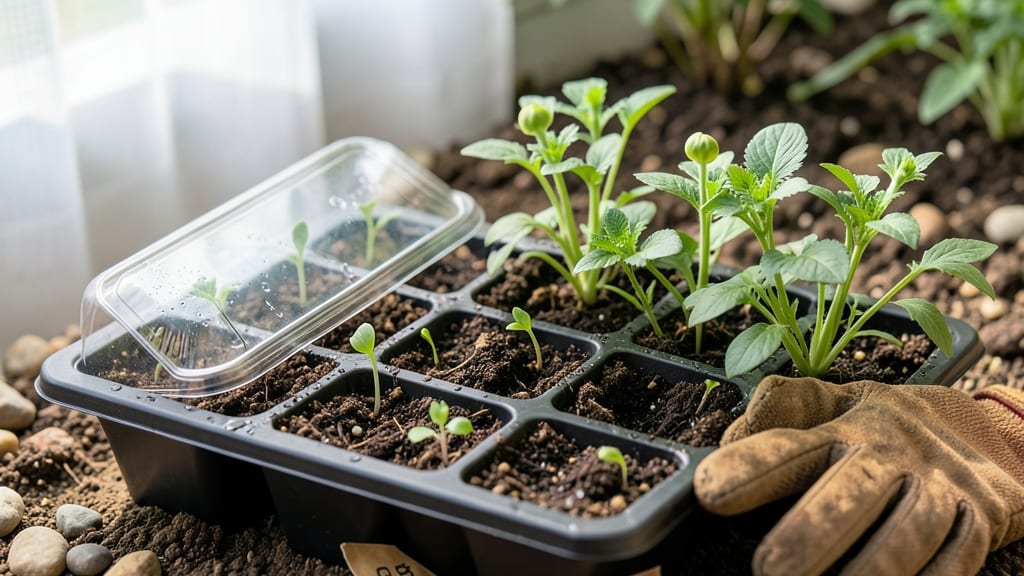
Flowers to sprout can take anywhere from 3 days to 6 weeks, depending on the type, soil warmth, and even your watering habits.
Waiting for flowers to sprout can feel like an eternity—especially when you’ve carefully planted seeds and eagerly await those first green shoots. But timing varies wildly by plant type, and knowing the right window can mean the difference between a thriving garden and frustration.
Annuals like zinnias pop up in just 3–7 days when conditions are right, while perennials like peonies might take 2–3 weeks to break through the soil. Bulbs, on the other hand, can linger underground for months before sprouting—so patience is key!
In this guide, I’ll break down the exact sprouting timelines for popular flowers, plus pro tips to speed things up and troubleshoot delays. Ready to turn those empty pots into a blooming paradise?
Sprouting timeframes for popular flower varieties: fastest to slowest
If you've ever planted flower seeds and stared at your garden bed waiting for green shoots, you know the excitement (and anxiety) of that moment. Some flowers pop up in a week or less, while others take weeks to show life.
Understanding these sprouting timeframes helps you plan better and troubleshoot delays.
Fast-sprouting flowers like zinnias and marigolds can emerge in just 3–7 days, while slower varieties like peony seeds or lupines may take 2–3 weeks or longer. Even bulbs like tulips and daffodils have their own unique timelines—some sprouting in 2 weeks, others waiting until spring warmth arrives.
Below is a variety-specific breakdown of sprouting times, from the fastest to the slowest. I’ve also included key factors that can speed up or delay germination, so you know how to give your seeds the best start.
| Flower Variety | Sprouting Time | Type | Best Soil Temp (°F) | Pro Tip |
|---|---|---|---|---|
| Zinnia | 3–7 days | Annual | 70–85°F | Keep soil moist but not soggy. |
| Marigold | 5–10 days | Annual | 75–80°F | Direct sow after last frost for fastest results. |
| Sunflower | 7–14 days | Annual | 70–85°F | Plant seeds 1 inch deep for best germination. |
| Pansy | 7–21 days | Annual/Perennial | 60–70°F | Start indoors 6–8 weeks before last frost. |
| Tulip Bulb | 2–4 weeks | Perennial Bulb | 40–50°F | Plant bulbs in fall for spring blooms. |
| Daffodil Bulb | 3–6 weeks | Perennial Bulb | 50–60°F | Requires cold stratification for best results. |
| Peony Seed | 2–3 weeks | Perennial | 65–75°F | Slow grower; patience is key! |
| Lupine | 14–21 days | Perennial | 60–70°F | Scarify seeds for faster germination. |
Notice how annual flowers like zinnias and marigolds sprout quickly, while perennial seeds and bulbs often take longer. This is because annuals are bred for fast germination and quick blooms, whereas per
5 Critical factors that speed up or delay flower sprouting
Understanding what controls flower sprouting can turn your patience into success. The right conditions transform seed-to-shoot timelines from weeks of waiting into days of growth.
I’ve tested these factors in my own garden, and the difference between a thriving seedbed and a failed batch often comes down to just a few key adjustments.
Most flowers need ideal soil temperatures between 60–85°F to germinate efficiently. Cool-season flowers like pansies or snapdragons may sprout faster in 50–60°F soil, while tropical varieties like marigolds or petunias stall below 65°F. A simple soil thermometer (just $10!) reveals whether your garden is ready for planting.
- ⏳ 3–7 days: Zinnias, cosmos, marigolds (warm soil, 70–85°F)
- ⏳ 7–14 days: Sunflowers, nasturtiums (moderate soil, 60–75°F)
- ⏳ 2–3 weeks: Peonies, delphiniums (cool soil, 50–65°F)
- ⏳ 3+ weeks: Foxglove, lupines (patience required!)
Moisture is another make-or-break factor. Seeds need consistent dampness—not soggy conditions—to activate enzymes that trigger growth. I once lost an entire tray of basil seeds because I overwatered, causing them to rot before sprouting.
The fix? Use a spray bottle or moisture meter to keep soil evenly damp (like a wrung-out sponge).
Seed depth matters more than most gardeners realize. Tiny seeds (like snapdragons) should sit just 1/8-inch deep, while larger seeds (like sunflowers) need 1–2 inches of soil coverage. Planting too deep suffocates seedlings, while planting too shallow dries them out. A simple rule: depth = seed width × 2–3 times.
Light exposure is often overlooked, but it’s critical for post-sprouting health. Most flower seeds germinate in darkness, but once they sprout, they need bright, indirect light (or grow lights) to prevent leggy, weak seedlings.
I’ve seen petunia seedlings stretch like noodles when kept in dim corners—always move them to a sunny windowsill or under LED grow lights after the first true leaves appear.
Finally, avoid these common mistakes that stall sprouting: using old seeds (test viability with a paper towel germination test), compacted soil (amend with compost), or inconsistent temperatures (keep trays in a seedling heat mat or warm spot).
Even the hardiest seeds fail when conditions fluctuate wildly. With these factors in check, you’ll see those first green shoots in half the time! 🌱