
How To
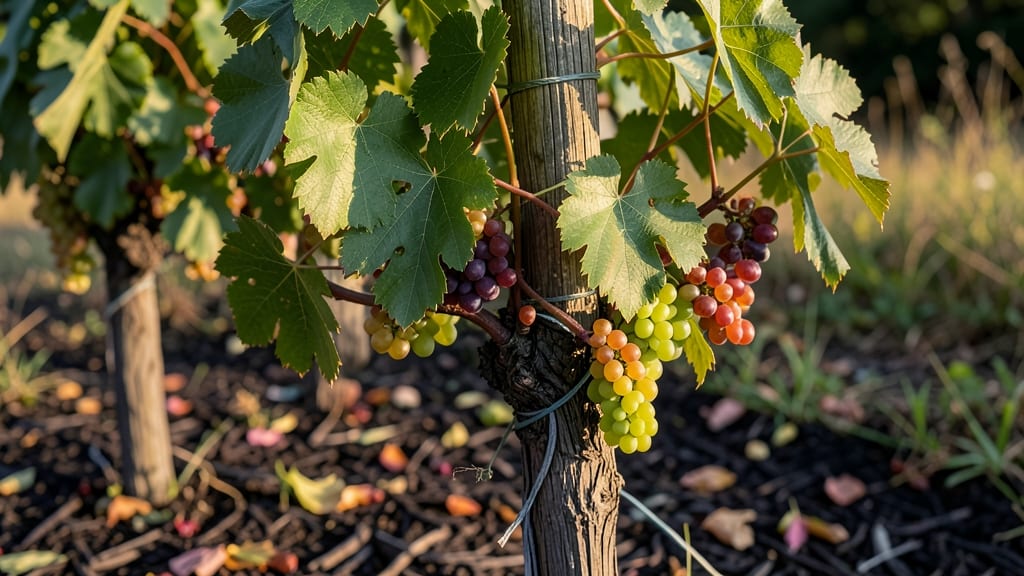
Grapes take how long do grapes take to grow after flowering, depending on the variety — a timeline that can feel like a guessing game if you’re not sure what to watch for.
Ever wondered why some grapevines produce fruit in just 60 days while others take nearly 150 days? The answer lies in the grape variety, but climate, sunlight, and even watering habits play a role too.
Understanding this timeline is critical for planning your harvest and avoiding disappointment when your 🍇 clusters don’t ripen on schedule.
Most grapes enter the berry development phase right after flowering, but the real magic happens during veraison, when berries shift color and start sweetening. This stage can stretch or shrink depending on heat, rain, and how well your vines are cared for.
Below, I’ll break down the exact weeks for popular varieties, how to track ripening progress, and what to do if your grapes seem stuck in slow motion. By the end, you’ll know exactly when to expect plump, flavorful clusters ready for the table — or the kitchen.

Grape growth timeline after flowering: variety-specific weeks to harvest
Understanding your grapevine's growth timeline after flowering is essential for planning your harvest and ensuring you don't miss the perfect moment to pick those juicy berries.
The time from flowering to harvest varies dramatically between grape varieties, with some taking as little as 60 days while others require nearly 150 days of careful nurturing. This variety-specific timeline will help you predict when your grapes will reach peak ripeness.
After flowering, grapes go through three critical stages: berry development, veraison (when berries change color), and ripening. Each stage requires different care, and knowing when to expect these transitions helps you prepare for optimal harvest timing. Let's explore how these stages play out across four popular grape varieties.
Thompson Seedless grapes are among the fastest to mature, making them ideal for warm climates. These grapes are commonly used for raisins and table grapes, and their rapid growth cycle means you can enjoy multiple harvests in some regions. The timeline for these grapes is particularly important for commercial growers who need to align their harvest with market demands.
Concord grapes, known for their deep purple color and robust flavor, take longer to mature than Thompson Seedless. They're popular for juicing and making jellies, and their extended growth period allows for more flavor development. Understanding their specific timeline helps you plan for late-summer harvests when these grapes reach their peak sweetness.
Cabernet Sauvignon grapes are prized for their wine-making potential, and their long growth cycle reflects the complexity of flavors they develop. These grapes require careful attention to ensure they reach full ripeness, especially in cooler climates where the growing season is shorter. Their timeline is crucial for vineyard managers planning wine production schedules.
Muscadine grapes, native to the southeastern United States, have a unique growth pattern that differs significantly from other varieties. Their thick skins and distinct flavor profile require a longer maturation period, and understanding their specific timeline helps growers in their native regions plan for late-season harvests.
Here's a detailed comparison of the growth timelines for these four varieties, including key stages from flowering to harvest:
During the berry development stage, grapes grow rapidly in size but remain firm and green. This is when you'll notice clusters forming and expanding. Adequate water and nutrients are critical during this phase to support healthy growth.
For varieties like Thompson Seedless, this stage is relatively short, while Cabernet Sauvignon grapes spend more time developing their structure before moving to the next phase.
The veraison stage is one of the most visually exciting phases of grape growth. This is when berries begin changing color—from green to red, purple, or yellow, depending on the variety. For Concord grapes, this transition to deep purple signals that the berries are accumulating sugars and flavors.
During veraison, grapes also soften slightly, which is a good time to start monitoring sugar levels if you're growing grapes for wine or juice.
In the ripening stage, grapes reach their peak flavor, sugar content, and aroma. This is when you'll want to pay close attention to their readiness for harvest. For Muscadine grapes, this stage can last up to 60 days, giving them time to develop their unique, musky flavor.
Regular taste tests and monitoring of berry firmness will help you determine the exact moment to harvest for optimal quality.
Knowing these timelines allows you to plan your gardening tasks accordingly. For example, if you're growing Thompson Seedless grapes, you might schedule your harvest as early as late July, while Cabernet Sauvignon grapes won't be ready until late September or October.
This advance planning ensures you're prepared with the right tools, storage containers, and even recipes for the fresh harvest.
Remember that these timelines are general guidelines and can vary based on your specific climate, soil conditions, and care practices.
Factors that accelerate or delay grape ripening after flowering
After grapevines flower, the race to ripeness begins—but the timeline isn't set in stone. Temperature swings, sunlight exposure, and even your watering habits can push grapes to maturity in 60 days or stretch it to 150 days.
Understanding these factors helps you fine-tune care for faster harvests or adjust expectations during slow seasons. The key is balancing growth needs while avoiding stress that delays ripening.
For example, Thompson Seedless grapes typically ripen in 90–110 days after flowering, but if summer heat waves hit early, they might finish in just 80 days. Meanwhile, Cabernet Sauvignon, bred for cooler climates, often takes 130–150 days—unless you provide ideal conditions.
The difference? 20–50% faster ripening comes down to a few critical levers you control.
- 1. Temperature: Ideal 75–85°F speeds ripening by 30%. Below 60°F, growth stalls.
- 2. Sunlight: 8+ hours/day accelerates sugar production. Partial shade delays ripening by 15–20 days.
- 3. Watering: Deep, infrequent watering (every 3–5 days) prevents stress. Overwatering adds 10–15 days to ripening.
- 4. Pruning: Open canopy pruning increases airflow, cutting ripening time by 10–15%. Heavy canopies delay by 20 days.
- 5. Soil Nutrients: Balanced NPK (10-10-10) in early season boosts growth. Nitrogen-heavy soil delays fruit ripening.
Let’s start with temperature, the most dramatic accelerator. Grapes thrive in warm days (75–85°F) and cool nights (55–65°F), which triggers sugar accumulation. If your region hits 90°F+ for weeks, grapes may ripen 20% faster, but risk sunburn.
Conversely, consistent 60°F temperatures can stretch ripening by 30 days—a common issue in USDA Zone 5 gardens. Use row covers in early summer to retain heat if needed.
Next, sunlight is non-negotiable. Grapes need full sun (6–8+ hours/day) to develop color and sugars. If your vineyard gets only 4–5 hours, ripening slows dramatically. Try training vines on a south-facing trellis to maximize exposure.
Even a 10% reduction in sunlight can add 10–15 days to the timeline. For container growers, place pots in the sunniest spot and rotate them weekly for even light distribution.
Your watering schedule also plays a surprising role. Grapes need consistent moisture during fruit set but drought stress in late summer concentrates sugars, speeding ripening. Overwatering, however, dilutes sugars and delays maturity by 10–15 days.
Aim for 1–2 inches of water weekly, delivered deeply in the morning to reduce fungal risks. Mulch with straw or wood chips to retain moisture without overwatering.
Finally, pruning and nutrient management fine-tune the timeline. Prune vines in late winter to remove old wood and improve airflow, which cuts ripening time by 10–15%. Avoid heavy nitrogen fertilizers post-flowering—they boost leaf growth at the expense of fruit ripening.
Instead, switch to a phosphorus-rich fertilizer (like 5-10-10) to accelerate sugar development. Test soil pH too; grapes prefer 6.0–6.5 for optimal nutrient uptake.