
Flowers
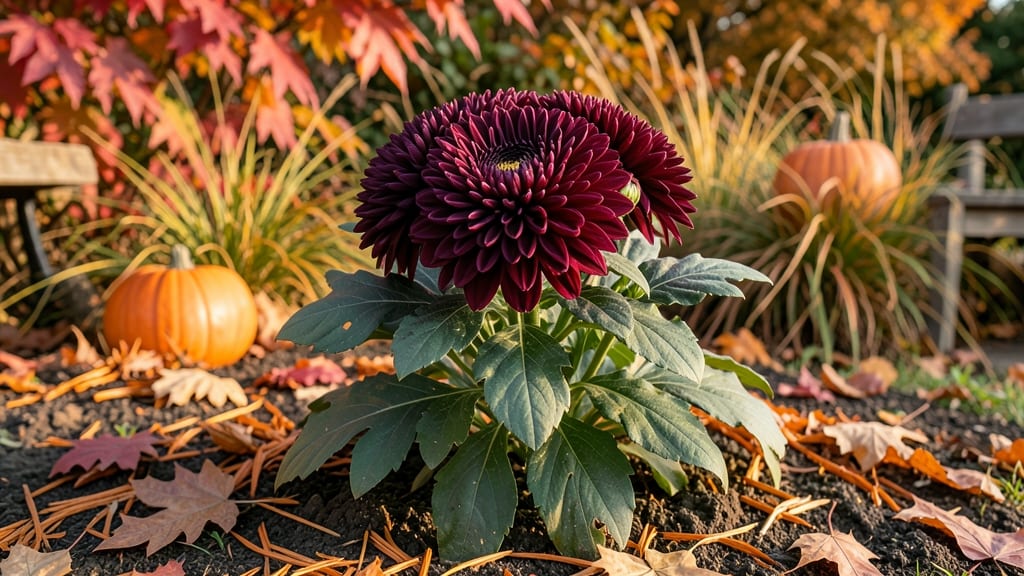
Autumn’s bold hues don’t have to disappear with the first frost—these flowers for autumn colour bring fiery reds, deep purples, and golden tones that thrive in cool weather.
Picture this: your garden still bursting with life while neighbors’ beds lie dormant. The secret? Chrysanthemums that bloom until snow flies, asters dancing in purple waves, and ornamental grasses swaying like autumn’s own confetti. These aren’t just survivors—they’re showstoppers.
Whether you’re a seasoned gardener or just starting, autumn flowers offer easy care and dramatic impact. Deadhead spent blooms to coax more color, mulch to protect roots, and watch your yard transform into a warm, inviting retreat.
Inside, you’ll discover the top 10 hardy varieties, expert tips to extend their season, and how to arrange them into cut bouquets that rival summer’s best. Let’s keep your garden glowing!
Top 10 autumn-blooming flowers for stunning fall color
Autumn’s golden hues and fiery reds don’t have to disappear when the leaves change—bold autumn flowers steal the show with their cool-weather resilience and vibrant blooms. Unlike summer annuals, these hardy perennials and frost-tolerant annuals thrive in 50°F+ temperatures, offering 3-4 weeks of spectacular color before winter.
Whether you crave deep burgundy mums or sun-kissed goldenrod, these top 10 varieties deliver low-maintenance beauty while attracting pollinators.
I’ve categorized these autumn stars by color intensity and growth habits—so you can mix perennials for repeat blooms with annuals for instant impact. From drought-tolerant sedum to fragrant asters, each pick offers unique textures and heights to layer your fall garden like a living watercolor painting.
Let’s dive into the cool-season blooms that’ll make your neighbors jealous as the temperatures drop!
🌼
| Flower Name | Type | Color Palette | Height | Sun Needs | Frost Tolerance |
|---|---|---|---|---|---|
| Chrysanthemum | Perennial/Annual | Deep red, gold, purple | 1-4 ft | Full sun | Hardy to 20°F |
| Aster | Perennial | Purple, blue, pink | 1-3 ft | Partial shade | Hardy to 10°F |
| Goldenrod | Perennial | Golden yellow | 2-4 ft | Full sun | Hardy to 15°F |
| Sedum (Stonecrop) | Perennial | Pink, red, purple | 6 in - 2 ft | Full sun | Hardy to -30°F |
| Japanese Anemone | Perennial | Pink, white | 2-4 ft | Partial shade | Hardy to 10°F |
| Marigold (French) | Annual | Orange, gold | 1-2 ft | Full sun | Hardy to 28°F |
| Russian Sage | Perennial | Lavender-blue | 3-5 ft | Full sun | Hardy to -20°F |
| Cosmos | Annual | Pink, white, red | 2-4 ft | Full sun | Hardy to 25°F |
| Black-Eyed Susan | Perennial | Golden yellow | 1-3 ft | Full sun | Hardy to -30°F |
| Dahlia (Autumn varieties) | Tender Perennial | Deep red, burgundy | 2-5 ft | Full sun | Hardy to 25°F (lift tubers) |
How to extend autumn flower blooms with simple care tips
As the autumn chill settles in, your fall flowers can still shine with vibrant color if you give them the right care. The key is proactive maintenance—small adjustments in watering, pruning, and soil health can transform your garden from a fading display to a seasonal showstopper.
Many gardeners mistakenly think autumn flowers need less attention, but that’s when they need it most.
Start with the soil foundation. Cool weather slows decomposition, so your plants rely on the nutrients already in the soil. A light compost top-dressing in early September can provide the extra boost chrysanthemums and asters need to keep blooming.
Focus on organic matter like well-rotted manure or leaf mold—these improve drainage while retaining moisture, which is critical as rainfall decreases.
⚠️ callout-tip ⚠️
Deadhead daily to remove spent blooms—this redirects energy to new flowers instead of seed production. For woody stems (like dahlias), use clean pruners at a 45-degree angle to prevent disease. Morning hours are best to avoid nighttime moisture on fresh cuts.
Your watering schedule needs a seasonal shift. While summer’s heat demands frequent deep watering, autumn’s cooler temps and shorter days change the equation. Water deeply but less often—aim for 1-2 inches per week, delivered in the early morning to let foliage dry before evening.
This prevents fungal issues like powdery mildew, which thrives in damp autumn air. Mulch heavily with straw or shredded leaves to lock in moisture and regulate soil temperature.
Don’t overlook the power of selective pruning. For perennial flowers like sedum or black-eyed Susans, cut back leggy stems by one-third to encourage compact, bushier growth. This also improves air circulation, reducing pest pressure.
For annuals, remove only the oldest flowers—this keeps the plant focused on producing fresh blooms rather than setting seed.
Light plays a surprising role in autumn blooms. While most fall flowers thrive in full sun, some varieties—like Japanese anemones—tolerate partial shade better as temperatures drop. If your garden has late-afternoon shade, shift sun-loving plants like marigolds to sunnier spots now.
This adjustment can extend their blooming window by 2-3 weeks in cooler zones.
Finally, protect your autumn flowers from early frost surprises. Use frost cloth on sensitive plants like pansies or calendulas when nighttime temps dip below 40°F. For hardy perennials, a thick layer of mulch (4-6 inches) acts like a natural blanket, insulating roots.
With these simple strategies, your autumn garden will stay bursting with color long after summer’s last hurrah.