
Size
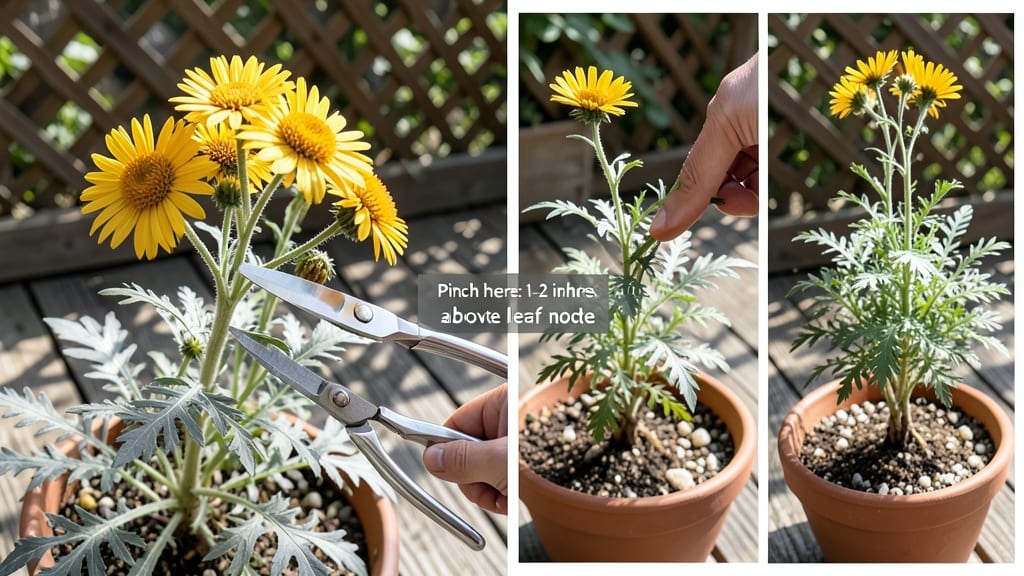
Do you pinch strawflowers? If so, you can transform a leggy, sparse plant into a bushy, bloom-packed powerhouse—but only if you do it right.
You’ve likely seen those towering stems with just a few blooms at the top and wondered, Is there a better way? The answer lies in strategic pinching, a technique that encourages more branches and longer-lasting flowers.
Unlike some plants, strawflowers actually thrive with a little pruning guidance, and the key is timing it just as they hit their growth spurt.
Most gardeners skip pinching because they fear harming the plant, but the truth is, strawflowers are hardy and respond well to light pruning.
By pinching back the tips of young stems—about one-third of the way down—you’re not just shaping the plant; you’re triggering it to produce more side shoots, which means more blooms and a fuller appearance by summer.
In this guide, I’ll walk you through exactly when to pinch (hint: it’s not too early or too late), how to do it without stressing the plant, and what to watch for after pruning. No guesswork—just clear, actionable steps to keep your strawflowers lush and flowering all season long.
When and how to pinch strawflowers for bushier growth
Strawflowers (Helichrysum bracteatum) thrive when you guide their growth early, and pinching is one of the simplest ways to encourage bushier stems and more abundant blooms. Unlike some flowers, strawflowers respond well to pinching, but timing and technique matter.
If you skip this step, you’ll end up with tall, leggy plants that produce fewer flowers. The key is to act at the right growth stage and use the correct method to avoid stressing your plant.
Most gardeners start pinching when their strawflowers are 6 to 8 inches tall—this is the seedling stage where new side shoots begin forming. For mature plants, pinching can still help, but it’s less critical.
The goal is to remove the terminal bud (the topmost growing point), which signals the plant to produce secondary branches instead. Think of it like redirecting energy from vertical growth to horizontal expansion, leading to a fuller, more vibrant plant.
Now, let’s break down the exact steps so you can get it right the first time. Whether you’re using your fingers or pruning shears, these guidelines will help you pinch like a pro and avoid common mistakes that can stunt your strawflowers’ growth.
Step-by-Step Guide to Pinching Strawflowers
- 1 Choose the right time: Pinch when your strawflower seedlings reach 6 to 8 inches tall (typically 4–6 weeks after sowing). For mature plants, pinch in early spring before new growth begins.
- 2 Identify pinch-ready stems: Look for stems with 4–6 sets of true leaves and a visible terminal bud at the top. Avoid pinching stems that are already flowering.
- 3 Use the right tools: For small stems, pinch with your thumb and forefinger. For thicker stems, use clean pruning shears to make a sharp cut just above a leaf node.
- 4 Pinch at the correct spot: Remove the top 1–2 inches of the stem, just above a set of leaves. This encourages lateral branching from the leaf axils below.
- 5 Repeat as needed: Pinch again when new side shoots reach 4–6 inches tall to promote even more branching. Limit pinching to 2–3 times per season to avoid overstressing the plant.
- 6 Post-pinching care: Water deeply after pinching to reduce stress, and ensure the plant gets full sun (6+ hours daily) to support new growth. Avoid fertilizing immediately—wait 2–3 weeks to prevent burning tender new shoots.
One of the biggest mistakes gardeners make is pinching too late in the season, especially when strawflowers are already flowering. If you pinch after the plant has set buds, you’ll delay or reduce blooms instead of encouraging bushiness.
Always prioritize early-season pinching when the plant is actively growing but hasn’t yet committed to flowering.
Another common error is over-pinching, which can leave your strawflower looking bare and stressed. Limit yourself to 2–3 pinches per season and focus on the strongest, healthiest stems.
Weak or leggy stems won’t respond well, so skip those and let the plant redirect energy to its most vigorous growth points.
If you’re growing strawflowers in containers, pinching is even more beneficial because it helps prevent the plant from becoming top-heavy and toppling over. Container-grown strawflowers also benefit from regular deadheading after pinching to encourage continuous blooming.
Simply snip off spent flowers just below the bloom head, and your plant will reward you with longer-lasting displays.
For gardeners in cooler climates (USDA Zones 6–8), time your pinching to align with the plant’s natural growth cycle. Start pinching in early spring (after the last frost) when new shoots emerge.
In warmer zones, you can pinch year-round, but avoid heavy pruning during peak summer heat, as this can stress the plant.
Remember, the goal of pinching strawflowers is to create a fuller, more productive plant with abundant blooms. When done correctly, you’ll enjoy a bushier, healthier strawflower that lasts longer in your garden—or even in dried arrangements.
With these steps, you’re well on your way to mastering the art of pinching for stunning results! 🌼
Pinching vs. pruning strawflowers: key differences and benefits
Strawflowers thrive when you understand the difference between pinching and pruning. Both techniques shape your plant, but they serve very different purposes. Pinching focuses on stimulating growth early in the season, while pruning maintains health and extends blooming later on.
Let’s break down when to use each for maximum impact on your strawflower’s shape and flower production.
Pinching is all about encouraging bushier growth by removing the topmost set of leaves on young stems. This triggers the plant to branch out, creating a fuller, more compact plant. It’s best done when your strawflower is 6-8 inches tall and has 4-6 sets of true leaves.
Pruning, on the other hand, involves removing dead or spent blooms to redirect energy into new growth and prolong flowering.
Do You Pinch Strawflower?
- Pros: Encourages bushier growth, more stems, and compact shape
- Best for: Young plants (6-8 inches tall)
- When: Early spring to mid-summer
- Pros: Extends blooming season, removes dead flowers, improves air circulation
- Best for: Mature plants with spent blooms
- When: Throughout growing season, especially after blooms fade
Pinching your strawflower early in the season ensures you’ll have a fuller plant with more blooms later. For example, if you pinch your strawflower in late spring, you’ll likely see more side shoots by summer, leading to a denser, more vibrant display.
This method is especially useful if you’re growing strawflowers in containers or small gardens where space is limited.
Pruning, however, is your go-to for maintaining your strawflower’s health and encouraging continuous blooming. After your strawflower finishes flowering, deadhead the spent blooms by cutting back to the nearest leaf node.
This prevents the plant from wasting energy on seed production and instead redirects it to new flower buds. Regular pruning also improves air circulation, reducing the risk of fungal diseases.
One common mistake gardeners make is pinching too late in the season. If you wait until late summer or fall, your strawflower may not have enough time to recover and produce new growth.
Similarly, over-pruning can leave your plant stressed and vulnerable to pests or disease. Always aim to balance growth stimulation with plant health maintenance.
For best results, combine both techniques: pinch your strawflower early in the season to encourage bushiness, then prune throughout the growing season to keep it blooming and healthy. With this approach, you’ll enjoy a longer flowering season and a more compact, vibrant plant all year round. 🌼