Blooming
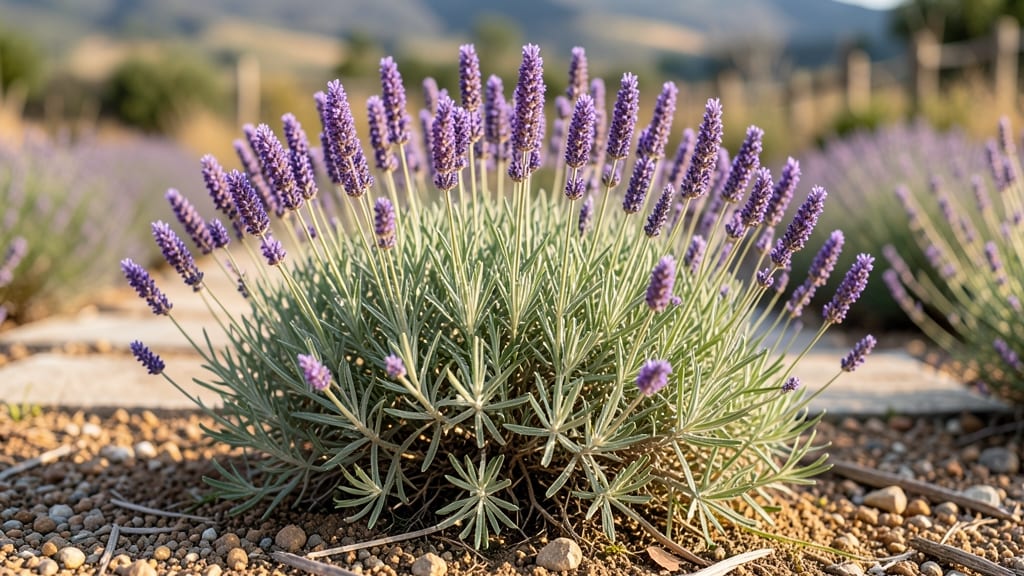
The lavender plant flowering season is all about timing—when those fragrant purple spikes appear can make or break your garden’s summer charm.
If you’ve ever wondered why your lavender bushes bloom in some years but not others—or when to expect those fragrant purple spikes—timing is everything.
The lavender flowering season follows a precise month-by-month cycle, and understanding it can mean the difference between a lush, fragrant garden and a disappointing patch of green.
In Zone 6, where most home gardeners grow lavender, the blooms typically kick off in late June and stretch into August, but climate, sunlight, and even pruning habits can shift that window. Some varieties, like English lavender, bloom earlier, while French lavender might linger into early fall.
Below, I’ll break down the exact months to watch for buds, how to coax longer blooms, and which varieties keep your garden smelling sweet the longest.
Month-by-month lavender flowering timeline: when does lavender bloom?
Lavender’s flowering season is one of nature’s most predictable yet variable cycles, shifting with USDA zones and variety types. In my Zone 6 garden, buds first appear in early June, but in warmer Zones 8-10, you might spot them as early as April.
Understanding these patterns helps me time pruning, harvesting, and even companion planting for maximum fragrance and beauty.
The key to lavender blooms lies in spring growth and summer heat. After winter dormancy, new growth emerges when soil temps hit 50°F (10°C). This triggers the bud formation that will become your fragrant spikes.
In cooler Zones 5-6, this process starts later—around late May—while Zone 10 lavender may begin as early as February.
In Zone 5 gardens, lavender often waits until late June or July to bloom, while French lavender varieties like 'Grosso' typically flower 2-3 weeks earlier than English types.
My Spanish lavender ('Lavandula stoechas') is the earliest bloomer, often starting in May with its distinctive rabbit-ear buds. Pay attention to these variety-specific timelines when planning your garden layout.
The first signs of buds are tiny green spikes emerging from the woodier stems. These bud clusters will turn purple as they mature. In my experience, English lavender ('Lavandula angustifolia') produces the tightest, most fragrant buds, while Spanish lavender has a more open, showy bloom.
Watch for these color changes—they’re your cue to prepare for peak bloom and potential harvesting.
Peak bloom occurs when 70-80% of buds have opened into those familiar purple spikes. This is the best time for harvesting—before the flowers fully unfurl. In Zone 7**, this window is typically June through early July, while Zone 10 gardens may experience peak bloom as early
How to extend your lavender’s flowering season: pruning and care tips
Lavender’s fragrant blooms are the highlight of any garden, but many gardeners struggle with short-lived flowers. The key to longer flowering seasons lies in proper pruning techniques and consistent care. Unlike many plants, lavender thrives on minimal intervention—but timing and method make all the difference.
I’ve learned that pruning after flowering and avoiding overwatering are the two biggest factors in extending those purple spikes.
First, let’s address the biggest mistake I see: pruning at the wrong time. Many gardeners cut back lavender in early spring before buds form, which removes next year’s flowers. Instead, wait until late summer or early fall after the blooms fade.
This gives your plant time to regenerate energy for next season’s growth while keeping this year’s stems intact.
⚠️ WARNING: Common Pruning Mistakes That Kill Blooms ⚠️
For optimal pruning, use clean, sharp shears to trim back 1/3 of the plant’s height after flowering. Focus on shaping the bush rather than drastic cuts. I always leave the lower leaves intact—they protect new growth and help retain moisture.
In USDA zones 5-7, a light pruning in early spring (just to shape) is fine, but avoid heavy cuts.
Sunlight and soil are equally critical. Lavender demands full sun exposure—at least 6-8 hours daily. In my garden, moving a struggling lavender plant to a south-facing spot doubled its bloom time.
Pair that with well-draining soil (sandy or gravelly mixes work best). Amend heavy clay with coarse sand or perlite to prevent root rot, which stunts flowering.
Watering is where most gardeners go wrong. Lavender is drought-tolerant, so overwatering kills blooms. I water mine deeply every 10-14 days in summer, letting the soil dry completely between sessions.
In containers, I check soil moisture daily—potted lavender dries out faster. Mulch lightly with gravel or pebbles (not organic mulch) to maintain dry roots and prevent fungal issues.
Finally, fertilize sparingly. Too much nitrogen produces leafy growth at the expense of flowers. I use a balanced 5-10-10 fertilizer in early spring (just 1 tablespoon per plant) and avoid feeding during bloom.
Deadheading spent flowers encourages secondary blooms in some varieties like English lavender, but skip this with French or Spanish types—they bloom once and need winter rest.