
Landscaping
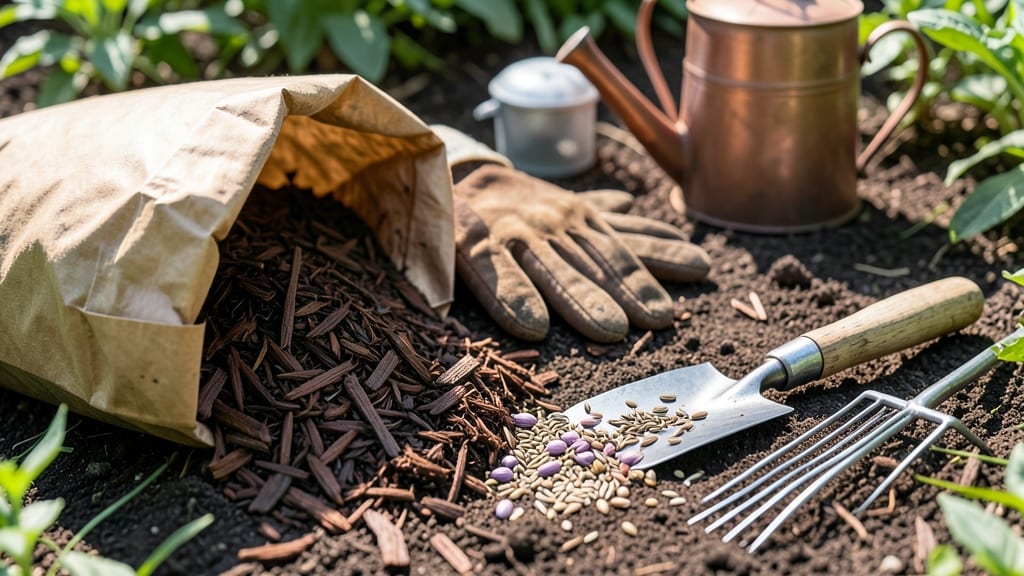
You can put mulch over wildflower seeds—but only the right kind, in the right way. A thin layer of straw or pine needles keeps moisture in and weeds out, while heavy mulch can smother delicate seeds and trap too much heat.
Struggling to decide whether to mulch your wildflowers or leave them exposed? The answer depends on your climate, soil type, and the specific seeds you’re planting. Too much mulch can block sunlight and suffocate emerging sprouts, while too little leaves them vulnerable to drying out or weed competition.
Lightweight mulches like straw or shredded leaves work best for wildflowers 🌼, especially in dry climates. These materials allow water to penetrate while protecting seeds from erosion. In humid areas, skip mulch entirely or use just a ¼-inch layer to avoid fungal issues.
Below, I’ll break down the best mulch types, how to apply them safely, and when to leave your seeds bare for the best germination results. Ready to get started?
Why lightweight mulch helps (or hurts) wildflower seed germination
Wildflower seeds need just the right conditions to sprout, and mulch can be a double-edged sword. On one hand, a lightweight layer of mulch helps retain moisture and suppress weeds, giving delicate seedlings a fighting chance.
On the other hand, too much or the wrong type can smother seeds or trap excess heat, stalling germination entirely. The key lies in understanding how mulch interacts with your soil type, climate, and seed depth.
Most wildflower seeds require light to germinate—they need sunlight to trigger sprouting, which is why many gardeners avoid burying them. When you add mulch, you’re essentially creating a microclimate. In dry climates, mulch acts like a protective blanket, slowing moisture loss and keeping soil temperatures stable.
But in humid regions, it can create a damp, suffocating environment that encourages fungal growth or rot.
Here’s the science: mulch works best when it’s thin and breathable. A layer thicker than ¼ inch can block sunlight from reaching seeds, while heavier materials like wood chips may compact over time, preventing oxygen from reaching the soil.
The goal is to support, not suffocate, your emerging wildflowers.
Soil type also plays a huge role. In sandy soils, mulch helps retain precious moisture that drains away quickly. In clay-heavy soils, it prevents crusting, which can seal seeds underground.
But in well-draining soils, mulch might not be necessary at all—especially for seeds that need direct contact with sunlight to germinate.
Climate factors further complicate the decision. In hot, arid zones, mulch is often a lifesaver, shielding seeds from extreme temperatures. In cooler, wetter climates, it’s better to skip mulch or use it sparingly to avoid over-moisture.
Even the time of year matters—fall-planted seeds may benefit from a light layer, while spring seeds might need none.
| Scenario | Mulch Thickness | Best Mulch Type | Germination Impact |
|---|---|---|---|
| Dry, sunny climate | ¼ inch max | Straw or pine needles | ✅ Retains moisture, aids germination |
| Humid, rainy climate | Skip or minimal (⅛ inch) | None or shredded leaves | ⚠️ Risk of rot or fungal growth |
| Sandy soil | ¼ inch | Leaf mold or compost | ✅ Improves moisture retention |
| Clay soil | ⅛ inch | Straw or grass clippings | ✅ Prevents crusting, aids sprouting |
| Seeds needing light | None | None | ✅ Ensures sunlight reaches seeds |
The depth at which you plant wildflower seeds directly influences mulch decisions. Most wildflower seeds should not be buried—they need light to germinate. If you’re planting them on the soil surface, a very light dusting of mulch (like a sprinkle of straw) can help without blocking sunlight.
For seeds that need slight coverage (like some native prairie mixes), a ⅛-inch layer of fine mulch may work, but avoid anything heavier.
Another critical factor is the type of mulch you choose. Organic mulches like straw, pine needles, or shredded leaves break down quickly, making them ideal for seeds.
Inorganic mulches like landscape fabric can smother seeds entirely, while thick wood chips may take years to decompose, suffocating your wildflowers in the process. Always opt for lightweight, fast-decomposing materials when mulching over seeds.
Timing matters too. If you’re planting in early spring, mulch can help retain warmth and moisture as temperatures fluctuate. But if you’re sowing in late fall, a light layer might protect seeds from winter rains while still allowing sunlight to penetrate.
The key is to monitor soil moisture—if the mulch keeps the soil too wet, germination will stall or seeds may rot.
One common mistake is assuming all wildflowers have the same mulch needs. Delicate annuals like cosmos or zinnias may tolerate a light layer, while tough perennials like black-eyed Susans might thrive with minimal coverage.
Always check the seed packet for specific recommendations, as some wildflower mixes are formulated to germinate best with no mulch at all.
To strike the right balance, start with a test patch. Plant a small section with mulch and another without, then observe which area shows better germination. Adjust based on your local climate and soil conditions.
Remember, the goal isn’t to smother weeds or retain moisture at all costs—it’s to create the ideal conditions for your wildflowers to thrive without suffocating their growth.
Best mulch types and application techniques for wildflowers
Choosing the right mulch for wildflowers can feel overwhelming—too much can smother seeds, while too little leaves them vulnerable to drying out. The key is using lightweight, breathable mulches that protect without suffocating.
Organic materials like straw or pine needles are ideal because they break down slowly while allowing moisture and air to reach the soil surface.
Heavy mulches such as wood chips or thick bark layers can trap heat and block sunlight, which is disastrous for tiny wildflower seeds. Instead, opt for materials that mimic the natural forest floor where wildflowers thrive.
These options keep the soil moist, suppress weeds, and gradually enrich the soil as they decompose.
✅ Best Mulch Options for Wildflower Seeds
- Straw: Lightweight and decomposes slowly, perfect for spring planting. Avoid hay, which may contain weed seeds.
- Pine needles: Acidic and slow to break down, ideal for dry climates. Spread thinly to prevent matting.
- Leaf mold: Finely shredded leaves create a soft, spongy layer that retains moisture without suffocation. Best for fall planting.
- Aged compost: Lightly sprinkle over seeds to add nutrients without blocking sunlight. Use only 1/4-inch layer.
❌ Avoid These Mulches
- Wood chips: Too thick—can smother seeds and trap moisture, causing rot.
- Fresh bark: Blocks sunlight and alters soil pH as it decomposes.
- Grass clippings: Mats down and can harbor diseases.
When applying mulch, timing is everything. Wait until seeds are lightly pressed into the soil (never buried) and the area is consistently moist. A thin layer—no thicker than 1/4 inch—is all you need.
For larger wildflower meadows, use a slatted mulch barrier (like straw bales) to allow sunlight to reach the soil while keeping weeds at bay.
In dry climates, apply mulch immediately after planting to lock in moisture. In humid regions, wait 2–3 weeks to let seeds establish roots before adding a light layer. Always water thoroughly after mulching to help the material settle and prevent clumping around seeds.
Monitor your wildflowers closely after mulching. If you notice yellowing leaves or slow germination, the mulch layer may be too thick. Gently fluff the mulch or remove excess to restore airflow.
With the right approach, mulch can transform your wildflower patch from a risky experiment into a low-maintenance, vibrant meadow.
Pro tip: Mark mulched areas with small flags or pebbles to avoid disturbing them during watering. This simple step ensures even moisture distribution without disturbing the delicate seeds beneath.