
Companion Plants
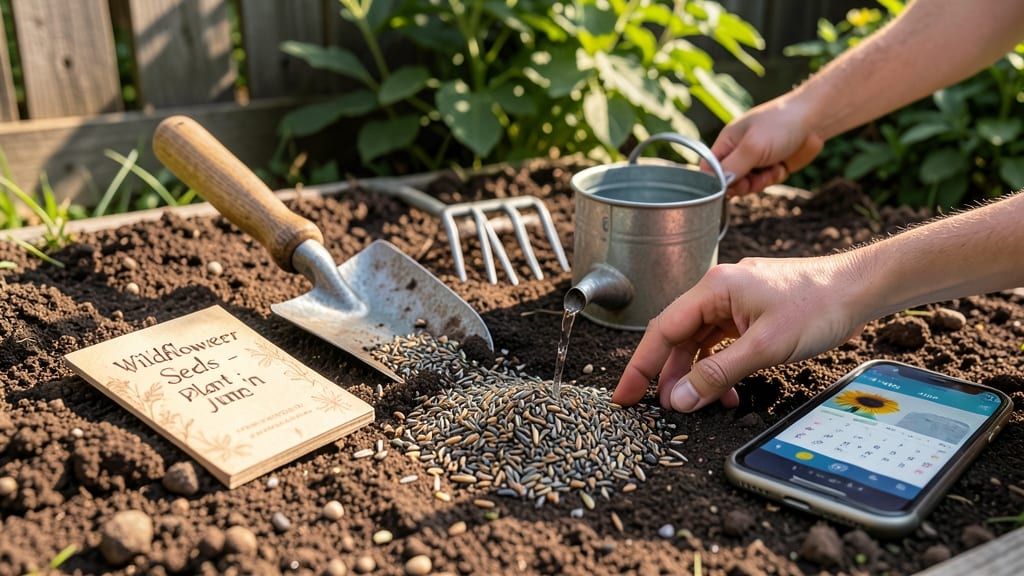
Planting wildflower seeds in June can still yield stunning blooms if you time it right and prepare your soil properly 🌼 — the key is choosing heat-tolerant varieties and protecting them from drying out.
June might seem too late for planting wildflowers, but with the right approach, you can still enjoy vibrant blooms—even this season. Many gardeners assume summer planting is a lost cause, but the truth is that late-season wildflowers often thrive when given the right conditions.
In regions like USDA Zone 6a, where summers are warm but not extreme, June planting works best for fast-growing annuals that bloom quickly. The trick lies in selecting seeds that germinate in 60 days or less and providing consistent moisture until they establish.
Below, I’ll walk you through the best wildflower varieties for late-June planting, soil prep tips to lock in moisture, and how to shield young seedlings from the midday sun. You’ll be surprised how fast these blooms can appear with the right care!
Why June can still work for planting wildflower seeds (with caveats)
June might feel like the end of the planting season, but wildflowers can still thrive if you choose the right approach. Late-summer planting isn’t ideal for every region, but with heat-tolerant varieties and proper care, you can still enjoy fast blooms before winter.
The key lies in understanding your local climate and selecting seeds that perform well in warm soil.
Most gardeners plant wildflowers in spring or fall, when temperatures are milder and moisture levels are higher. However, June planting can work in cooler climates or with shade protection.
The trade-off? You’ll need to water more frequently and choose fast-growing annuals over slower biennials. Let’s weigh the pros and cons to see if it’s right for your garden.
Can I Plant Wildflower Seeds in June?
✅ Pros
- Fast blooms: Annuals like cosmos or zinnia can flower in 6-8 weeks.
- Pest control: Wildflowers attract beneficial insects that combat garden pests.
- Low maintenance: Once established, many varieties need minimal watering.
- Extended season: Late blooms provide fall color when other plants fade.
❌ Cons
- Heat stress: Seeds may dry out before germinating in hot, dry soil.
- Higher water needs: Requires daily watering until seeds sprout.
- Limited varieties: Not all wildflowers thrive in late-summer heat.
- Weed competition: Warm weather speeds up weed growth, requiring extra vigilance.
If you’re in a cooler region like the Pacific Northwest or Mountain West, June planting can be surprisingly successful. These areas often have moderate temperatures and consistent moisture, making it easier for seeds to germinate.
Even in hotter climates, shade-loving varieties like black-eyed Susans or coneflowers can perform well with proper care.
One of the biggest challenges in June planting is soil moisture retention. The sun beats down harder, and evaporation rates increase dramatically. To combat this, I recommend mulching heavily with straw or wood chips to lock in moisture.
This simple step can double your success rate by keeping the soil cool and hydrated for emerging seedlings.
Not all wildflower seeds are created equal when it comes to heat tolerance. Annuals like cosmos, marigolds, and sunflowers are your best bets for June planting because they germinate quickly and tolerate warmer temperatures.
Biennials and perennials, on the other hand, may struggle to establish roots before fall frosts arrive. Always check the seed packet for heat tolerance ratings.
Another critical factor is seed preparation. Some seeds benefit from pre-sprouting or scarification to break dormancy. For example, lupine seeds often need a light sanding to germinate faster.
If you’re planting in June, consider soaking seeds overnight before sowing to give them a head start. This trick can shave 3-5 days off germination time in hot conditions.
Timing matters just as much as seed selection. If you live in a hot, dry climate, aim to plant in the early morning or late afternoon to avoid the peak sun hours. Seeds sown at midday can dry out before they even sprout.
Additionally, water deeply right after planting to settle the soil and encourage even seed-to-soil contact. A gentle mist setting on your hose works best for delicate seeds.
Don’t overlook the power of shade cloth if your garden gets intense afternoon sun. A 30-50% shade cloth can reduce soil temperatures by 10-15 degrees Fahrenheit, giving seeds a better chance to germinate.
You can remove the cloth once seedlings are 1-2 inches tall and hardened off. This temporary protection can make all the difference in high-heat zones.
Finally, be prepared for slower growth compared to spring plantings. Wildflowers sown in June may take 2-4 weeks longer to bloom than those planted in spring. However, the trade-off is extended fall color when many other plants have already faded.
With the right seed choices and care techniques, June planting can still deliver a stunning late-season display. 🌼
Step-by-step guide: how to plant wildflower seeds in June for fast blooms
June might seem like an unusual time to plant wildflower seeds, but with the right techniques, you can still enjoy a burst of color by late summer or early fall.
The key lies in preparing your soil, choosing heat-tolerant varieties, and maintaining consistent moisture during the hottest part of the season. Many gardeners overlook June planting, but it can be incredibly rewarding when done correctly.
Wildflowers planted in June often bloom faster than those sown in spring because they take advantage of the longer daylight hours. However, you’ll need to protect seedlings from intense heat and ensure they get enough water to establish strong roots.
Let’s break down the process into simple, actionable steps to maximize your success.
🌱 Step-by-Step Guide to Planting Wildflower Seeds in June
- Step 1: Choose the Right Location
Select a spot with full sun (6+ hours daily) and well-draining soil. Avoid low-lying areas where water pools, as wildflowers hate soggy roots. If your soil is heavy clay, consider amending it with compost or sand to improve drainage. - Step 2: Prepare the Soil
Clear the area of weeds and loosen the top 2-3 inches of soil with a rake or tiller. Wildflower seeds need good contact with soil to germinate, so avoid burying them too deeply—just press them lightly into the surface. - Step 3: Select Heat-Tolerant Seeds
Opt for annual wildflowers like cosmos, zinnias, or sunflowers, which germinate quickly in warm soil. Biennials like foxglove or hollyhock can also work if planted early in June before extreme heat sets in. - Step 4: Scatter Seeds Evenly
Spread seeds thinly (about 1/4 cup per 10 sq ft) to prevent overcrowding. Lightly rake or press them into the soil with your hand or a board to ensure soil contact without burying them. - Step 5: Water Gently but Frequently
Keep the soil consistently moist (not soggy) for the first 2-3 weeks. Water early in the morning to reduce evaporation and fungal risks. Aim for 1/2 inch of water per week, adjusting for rainfall. - Step 6: Apply Mulch for Protection
Cover the area with a thin layer of straw or shredded leaves (1 inch deep) to retain moisture and shield seedlings from intense sun. Avoid thick mulch, which can smother young plants. - Step 7: Monitor and Thin as Needed
Once seedlings emerge (usually in 7-14 days), thin them to 6-12 inches apart to promote airflow and reduce competition. Watch for pests like aphids and treat with neem oil if necessary.
Timing is everything when planting wildflower seeds in June. In hotter climates (Zones 8-10), plant seeds by mid-June to avoid peak heat stress. In cooler regions (Zones 3-6), you can extend planting until early July.
Always check your seed packet for specific germination times—some varieties sprout faster than others.
One of my favorite tricks is to pre-soak seeds overnight before planting. This jumpstarts germination, especially for slower varieties like poppies or lupines. Just place seeds in a damp paper towel, seal them in a plastic bag, and let them sit for 12-24 hours before scattering them in the garden.
With these steps, you’ll be well on your way to a vibrant wildflower display by late summer. The effort pays off when you see bees, butterflies, and hummingbirds flocking to your garden—proof that June planting can be just as rewarding as spring! 🌻