
Flowers
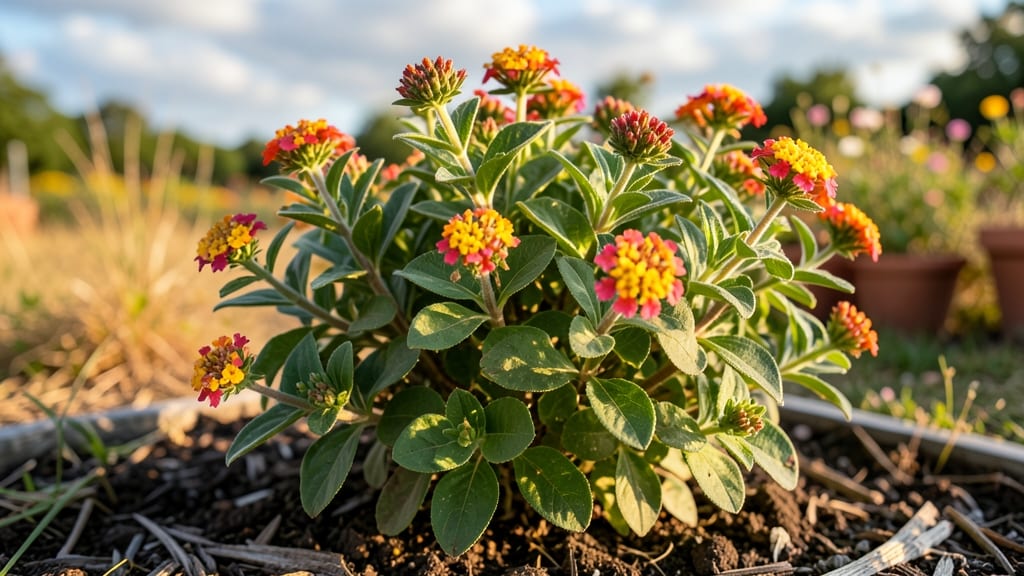
Seeing a butterfly on lantana flowers 🌸 is more than a pretty garden moment—it’s proof you’ve created a pollinator paradise. This hardy shrub isn’t just drought-resistant; it’s a butterfly buffet, packed with nectar-rich blooms that draw in species like monarchs and swallowtails.
But here’s the kicker: with the right care, your lantana can become a magnet for over 20 butterfly species, turning your yard into a fluttering hotspot. The secret lies in its vibrant colors, pest-resistant nature, and continuous blooms—if you know how to maximize its appeal.
From choosing the best lantana variety to pairing it with companion plants, I’ll walk you through the proven strategies that transform your garden into a butterfly haven. Whether you’re in Zone 6 or beyond, these tips ensure your lantana stays lush and buzzing with activity.
Ready to turn your garden into a butterfly’s favorite stop? Let’s dive into the science-backed secrets that make lantana the ultimate pollinator plant—and how to keep it thriving all season long.
Why lantana flowers are a butterfly magnet: science-backed attraction secrets
There’s nothing quite like watching a butterfly on lantana flowers flitting from bloom to bloom, but this isn’t just a pretty sight—it’s a sign your garden is a pollinator paradise. Lantana’s reputation as a butterfly magnet isn’t random.
Its nectar-rich blooms and vibrant colors create an irresistible invitation for over 20 butterfly species, including monarchs and swallowtails. The secret lies in its unique biology and how it meets the needs of these delicate visitors.
Butterflies aren’t just drawn to lantana for its beauty—they’re also attracted by its continuous blooming cycle. Unlike many flowers that bloom once and fade, lantana produces new flowers every 2-3 weeks if you prune spent blooms.
This means a steady supply of high-sugar nectar, which is exactly what butterflies crave for energy. Plus, lantana’s compact clusters provide perfect landing platforms for even the smallest wings.
Here’s the science behind the attraction: lantana flowers contain high concentrations of sucrose—up to 40% sugar content—making them a top nectar source for butterflies. Studies show that monarch butterflies prefer lantana over milkweed in some regions because of this energy boost.
The plant’s bright yellow, orange, and pink hues also mimic the colors of other butterfly favorites, like milkweed and passionflower.
But it’s not just about the nectar. Lantana’s pest-resistant foliage creates a safe haven for butterflies. Many garden pests avoid lantana, reducing the risk of parasites or predators that could harm butterfly larvae. This makes lantana a low-stress habitat where butterflies can feed, mate, and lay eggs without constant threats.
Even skipper butterflies, which are more selective, are often spotted on lantana due to its long flowering season.
| Butterfly Species | Why They Love Lantana | Best Lantana Variety |
|---|---|---|
| Monarch | High nectar content; continuous blooms | Lemon Swirl |
| Swallowtail | Bright colors attract from a distance | Bandana Series |
| Gulf Fritillary | Prefers orange/yellow blooms for egg-laying | New Gold |
| Skippers | Compact flowers ideal for quick feeding | Weeping |
| Painted Lady | Tolerates slightly lower nectar levels | Any variety |
The color spectrum of lantana flowers plays a crucial role too. Orange and yellow blooms attract species like the Gulf Fritillary, while pink and purple varieties draw in swallowtails and checkered skippers.
This diversity ensures your lantana isn’t just a feast for one type of butterfly—it’s a buffet for the whole garden. Even larval stages benefit, as some butterfly caterpillars feed on lantana leaves, completing the life cycle right in your yard.
Another often-overlooked factor is lantana’s scent profile. While not strongly fragrant to humans, butterflies detect subtle floral scents that signal high-quality nectar sources. The plant’s volatile organic compounds (VOCs) act like an invisible dinner bell, drawing butterflies from 50+ feet away.
This is why even a single lantana plant in your garden can become a butterfly hotspot during peak blooming seasons.
For maximum attraction, focus on planting lantana varieties with extended bloom times. ‘Lemon Swirl’ and ‘Bandana Series’ are top picks because they flower year-round in warm climates and June through frost in cooler zones.
Pair these with native milkweed for monarchs or passionflower vines for swallowtails to create a multi-species butterfly garden
Step-by-step guide: how to plant and care for lantana to maximize butterfly visits
Transforming your garden into a butterfly haven starts with planting lantana—a nectar-packed powerhouse that lures over 20 butterfly species with its vibrant blooms. To create the perfect habitat, focus on soil prep, sunlight exposure, and seasonal adjustments that keep your lantana thriving year-round.
Even in USDA Zones 6-10, with the right care, your lantana will become a nonstop buffet for pollinators.
Before planting, choose a sun-drenched spot—lantana demands 6+ hours of direct sunlight daily to produce the bright, clustered flowers butterflies adore. Amend your soil with compost to ensure well-draining conditions, as soggy roots lead to root rot and fewer blooms.
If your soil is heavy clay, mix in sand or perlite to improve aeration. This step alone can double your butterfly visits by encouraging lush, healthy growth.
Once your lantana is established, seasonal care becomes the key to nonstop butterfly traffic. In spring, focus on light fertilization to kickstart growth, while summer demands regular pruning to remove faded blooms and encourage new ones.
By late summer, you’ll see swarms of butterflies like monarchs, swallowtails, and skippers feasting on the nectar-rich flowers. Pro tip: Avoid pesticides—they harm butterflies and bees!
For maximum impact, plant lantana in clusters of 3-5 plants. This creates a visual feast for butterflies and mimics their natural habitat. Group different lantana varieties (like 'Bandana Series' or 'Lemon Swirl') to extend your blooming season from early summer to frost.
With these steps, your garden will become a butterfly hotspot in no time.
Remember, lantana’s magic lies in its simplicity. It thrives on neglect, loves the sun, and repels pests naturally—making it the perfect low-maintenance choice for pollinator gardens. Start today, and soon you’ll be watching dozens of butterflies dance among your vibrant blooms.