Flowers
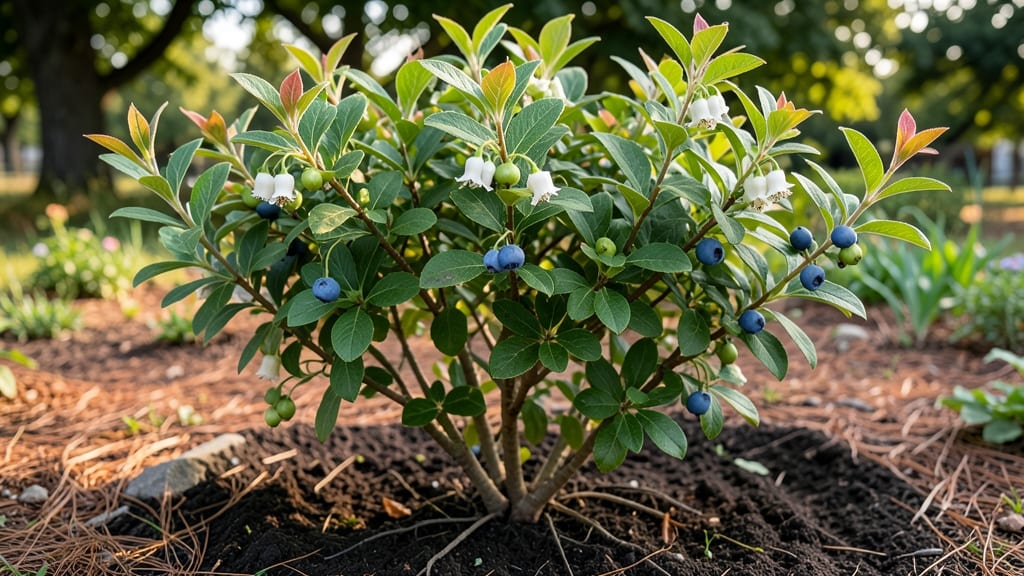
Transforming blueberry flowers into fruit is all about timing, pollination, and a little help from nature—and you.
Picture this: your bushes are covered in delicate white or pink blooms, but by summer, you’re left with just a handful of berries. That’s not a fluke—it’s a missed opportunity to boost your harvest.
The secret lies in understanding how blueberries go from blossom to berry, and how to give them the best shot at success.
In USDA Zone 6, where most gardeners grow blueberries, the window between late spring blooms and summer fruit is tight. Too much wind, not enough bees, or even a late frost can derail the process.
But with the right care—like attracting pollinators, adjusting watering, and protecting flowers from cold snaps—you can turn those blooms into a bountiful harvest.
Here’s how to decode the science, spot common pitfalls, and ensure your blueberry bushes deliver the sweet, plump fruit you’re dreaming of—every season.
The science behind blueberry flower to fruit development
Blueberries start their journey as delicate, bell-shaped white or pink flowers that bloom in spring, but only about 10-20% of these blossoms will successfully develop into fruit. Understanding the pollination process is key to unlocking your blueberry bush's full potential.
The transformation from flower to fruit involves intricate biological steps, environmental factors, and even the role of tiny pollinators.
Each blueberry flower contains male and female reproductive parts—the stamens (male) produce pollen, while the pistil (female) holds the ovary that will become the fruit. For pollination to occur, pollen must transfer from the stamens to the pistil.
This can happen through bees, wind, or even self-pollination in some varieties. Without successful pollination, the flowers will drop off without forming berries.
The first critical step is flower opening, which typically occurs in late spring after the last frost. Blueberry flowers are perfectly self-pollinating in some varieties, but they benefit greatly from cross-pollination. Bees are the primary pollinators, transferring pollen between flowers on the same bush or different bushes.
If you notice few bees visiting your blueberries, you may need to take action to attract them or assist with hand-pollination.
Once pollination occurs, the pistil's ovary begins developing into a tiny berry. This stage is highly sensitive to environmental conditions. Temperatures below 50°F or above 85°F can disrupt fruit set, causing flowers to drop off.
Additionally, inconsistent watering or drought stress during this period can lead to poor fruit development. The berries will start as small, hard green balls and gradually soften as they mature.
Not all blueberry flowers will produce fruit, even under ideal conditions. Some flowers may be sterile or damaged by frost, pests, or disease. Others might fail due to poor pollination or nutrient deficiencies.
To identify healthy blooms, look for fully open flowers with vibrant petals and no signs of wilting or browning. Healthy flowers will also have visible stamens and pistils that appear plump and hydrated.
One common issue gardeners face is flower drop, where blooms fall off before fruiting. This can happen due to temperature fluctuations, lack of pollinators, or over-fertilization with nitrogen.
To prevent this, ensure your blueberries receive balanced fertilization with a 10-10-10 NPK ratio and maintain consistent moisture levels. Mulching around the base of the plant can also help stabilize soil temperature and retain moisture.
If you're growing multiple blueberry varieties, cross-pollination between them can significantly increase your yield. For example, planting a Southern highbush variety alongside a Northern highbush can improve fruit set because their flowering times may overlap slightly.
Even if your variety is self-pollinating, cross-pollination can lead to larger, more uniform berries.
To maximize your blueberry harvest, pay close attention to the timing of pollination. Most blueberry flowers bloom over a period of 2-3 weeks, so monitoring your bushes daily can help you identify when pollination is most active.
If you notice few berries forming despite healthy flowers, consider hand-pollinating by gently brushing a paintbrush or cotton swab across the stamens and pistils to
Step-by-step guide to boosting pollination for maximum blueberry yield
Blueberries rely on efficient pollination to turn those pretty white or pink flowers into sweet, plump berries. Without proper pollination, you’ll end up with small, misshapen fruit or even no harvest at all.
The good news? You can take control by creating the perfect conditions for pollinators—or stepping in yourself when nature falls short.
First, understand that blueberries are partially self-pollinating, but they thrive with help from bees, wind, or a gardener’s touch. In areas with low bee activity, hand-pollination can double your yield.
Let’s break down the exact steps to maximize pollination and ensure your bushes are bursting with fruit by harvest season.
🌸 Blueberry Flower to Fruit: Key Pollination Steps
-
Step 1: Attract Pollinators
Plant bee-friendly flowers like lavender, borage, or clover near your blueberries. Avoid pesticides during bloom to protect bees.
-
Step 2: Hand-Pollinate (If Needed)
Use a soft paintbrush to transfer pollen from flower to flower on cloudy or bee-less days. Focus on open blooms in the morning.
-
Step 3: Ensure Proper Watering
Water deeply 1-2 inches per week during bloom to support flower health. Avoid wetting flowers to prevent bloom rot.
-
Step 4: Prune for Airflow
Remove dead or crowded branches to improve airflow. This reduces humidity around flowers, lowering the risk of fungal diseases.
-
Step 5: Monitor for Pests
Watch for aphids or mites, which can damage flowers. Use neem oil if needed, but apply after pollination hours (late afternoon).
One common mistake is over-pruning during bloom, which removes flowers before they can be pollinated. Always prune after harvest to avoid this. Another pitfall is skipping hand-pollination in urban or low-bee areas—this can leave up to 50% of flowers unpollinated.
Pay attention to weather conditions too. Cool, cloudy days slow bee activity, so hand-pollinate on these mornings. If frost threatens during bloom, cover plants with frost cloth to protect delicate flowers. With these steps, you’ll see a noticeable increase in fruit set and size by summer.
Remember, the goal is to mimic nature’s pollination process as closely as possible. By combining natural pollinators, hand assistance, and optimal growing conditions, your blueberry bushes will reward you with a bountiful, juicy harvest every year. 🫐