
Shrubs
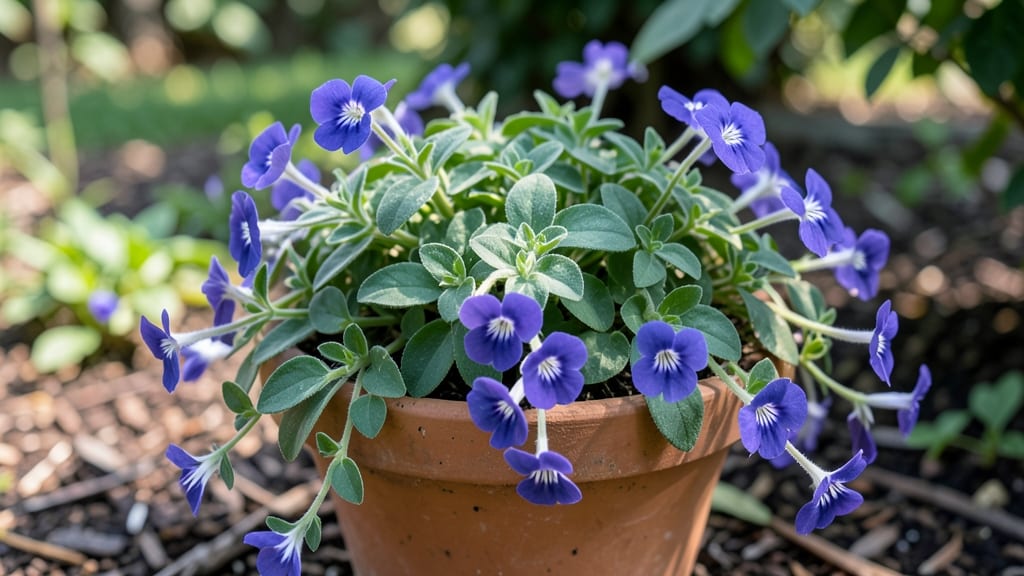
The wishbone flower thrives in sun or shade 🌸, making it one of the most adaptable plants for gardeners who want vibrant blooms without strict light rules.
Picture this: you’ve just planted your wishbone flower (Torenia fournieri), but now you’re stuck wondering whether it’ll love the bright afternoon sun or prefer the dappled shade under your favorite tree.
The good news? This plant is a chameleon—it handles both, but with a few tweaks to keep it happy and blooming.
Too much direct sun can scorch its delicate petals, while too little light might leave you with leggy stems and sparse flowers. The key is finding that sweet spot where your wishbone flower gets enough brightness to thrive without stress, whether you’re in a sunny border or a shady corner.
In this guide, I’ll break down exactly how to give your wishbone flower the perfect light balance, plus soil and watering tips to keep it flourishing from spring to fall—and maybe even beyond.
 Best Window Placement
Wishbone flower light requirements: sun vs. shade breakdown
The wishbone flower (Torenia fournieri) is famously adaptable when it comes to light, but understanding its preferences can mean the difference between vibrant blooms and leggy, sparse growth. Unlike strict sun-lovers or shade-dwellers, this plant thrives in partial shade but can handle morning sun with ease.
The key lies in your garden’s microclimate—whether it’s a humid southern patio or a dry western exposure.
Most gardeners assume wishbone flowers need full shade, but they actually tolerate 2-4 hours of morning sun beautifully. The challenge? Afternoon sun can scorch their delicate leaves, especially in hot climates.
I’ve found that dappled shade (like under tall trees) or east-facing windows create perfect conditions. Let’s break down exactly how to optimize light for your plants.
| Light Condition | Daily Sun Exposure | Best For | Growth Impact |
|---|---|---|---|
| Full Sun | 6+ hours | South/West exposures | Leaf scorch, sparse blooms |
| Morning Sun | 2-4 hours (AM only) | East-facing gardens | Ideal blooms, compact growth |
| Partial Shade | 2-4 hours filtered light | Under trees, north walls | Healthy foliage, steady blooms |
| Full Shade | 0-2 hours direct light | North-facing balconies | Leggy stems, fewer flowers |
If your wishbone flowers are in a south-facing garden, they’ll need afternoon shade protection—think lattice screens or nearby shrubs. I once grew mine in a container on my deck and used a sheer curtain to block harsh afternoon rays.
The difference in leaf burn was immediate! For shady spots, aim for at least 4-6 hours of bright indirect light daily to prevent etoliation (those sad, stretched stems).
In hot climates (Zones 8-10), wishbone flowers perform best with morning sun and afternoon shade. I’ve seen them thrive under palm fronds or near decorative grasses that provide natural shade. For cooler climates (Zones 3-7), they’re more forgiving—even full morning sun works well.
The trick is monitoring leaf color: if they turn yellow-green, they’re getting too much sun; if they’re dark green and sparse, they need more light.
Containers add another layer of flexibility. A 10-inch pot with wishbone flowers can be moved daily to follow the sun—morning sun in the garden, then shade on the porch by noon.
This mimics their natural forest-floor habitat where they’d get dappled light through canopy leaves. For urban balconies, a south-facing rail with a white umbrella creates perfect conditions.
Seasonal adjustments matter too. In summer, wishbone flowers may need extra shade as temperatures rise, while winter light (even in shade) can be stronger. I’ve noticed mine bloom more prolifically in winter when placed near a sunroom window.
The cooler temps and bright indirect light create ideal conditions. For indoor growing, a grow light on a timer (12-14 hours/day) mimics natural cycles perfectly.
One common mistake? Assuming all shade is equal. Deep shade under evergreens (like pines) can be too dark, while light shade under deciduous trees (like maples) offers perfect filtered sun.
I once had a brown thumb moment when I planted mine under a thick holly bush—the dense foliage blocked too much light, and my plants became leggy and weak. Moving them to a sunnier spot under a birch tree revived them instantly.
Pro tip: Use a light meter app (like Light Meter or Grow Lights) to check your garden’s foot-candles. Wishbone flowers thrive at 1,000-3,000 foot-candles. If your spot measures below 1,000, supplement with a small LED grow light for 2-3 hours daily.
For high-light areas (above 5,000 foot-candles), provide artificial shade cloth (30-50% block).
Remember, wishbone flowers are not shade-tolerant in the strictest sense—they’re light-flexible. The goal is bright, indirect light with protection from intense afternoon rays.
With the right setup, you’ll enjoy continuous blooms from spring to frost, proving that this delicate beauty is far more resilient than it looks. 🌸
How to grow wishbone flowers in low-light or full-sun gardens
The wishbone flower (Torenia fournieri) is one of those magical plants that seems to bend the rules—it thrives in both low-light spaces and full-sun gardens, making it perfect for urban balconies or shady backyards.
The key lies in adjusting your soil, watering, and fertilization based on light exposure. Whether you're growing in containers or garden beds, small tweaks can transform struggling plants into blooming stars.
In shady gardens, wishbone flowers reward patience with lush foliage and continuous blooms, while sunny spots produce brighter flowers but need extra hydration. Container gardening adds another layer—drainage and soil volume become critical.
Let’s break down the light-specific hacks that’ll keep your wishbone flowers happy year-round, no matter where they’re planted.
- 🌿 Low-Light Care: Use moist, well-draining soil with 20% compost to retain humidity. Water when top 1 inch feels dry—overwatering causes root rot in shade.
- ☀️ Full-Sun Hacks: Amend soil with perlite or sand (30%) to prevent compaction. Mulch with straw to lock in moisture—containers dry out 3x faster in direct sun.
- 🌱 Container Magic: Choose 12-inch pots with drainage holes. Use a 50/50 mix of potting soil and coconut coir—this mimics natural moisture retention without soggy roots.
- 💧 Watering Rules: Shade: Every 5-7 days. Sun: Daily in peak heat (morning watering prevents evaporation). Test with your finger—dry soil = thirsty plant.
- 🌱 Fertilizer Schedule: Feed monthly in spring/summer with 10-10-10 fertilizer. Shade plants need half the dose—too much causes weak stems. Skip fertilizer in fall/winter.
For urban balconies, group containers together to create a microclimate—this stabilizes temperature and humidity. If your wishbone flowers start stretching toward light (a sign of etiolation), rotate pots weekly to ensure even growth.
In full sun, prune leggy stems after blooming to encourage bushier, more compact plants that handle heat better.
One of my favorite tricks? Plant wishbone flowers near hostas or ferns in shade gardens—their trailing habits create a stunning layered effect. In sunny areas, pair them with snapdragons or petunias—the contrast in bloom shapes adds visual interest.
Remember, wishbone flowers are annuals**, so plan to replant seeds every spring for continuous color.
When all else fails, trust your plants. If leaves yellow in shade, they’re craving more light; if flowers fade fast in sun, they need more water. Adjust gradually—your wishbone flowers will thank you with nonstop blooms from spring to frost. 🌸