
Watering
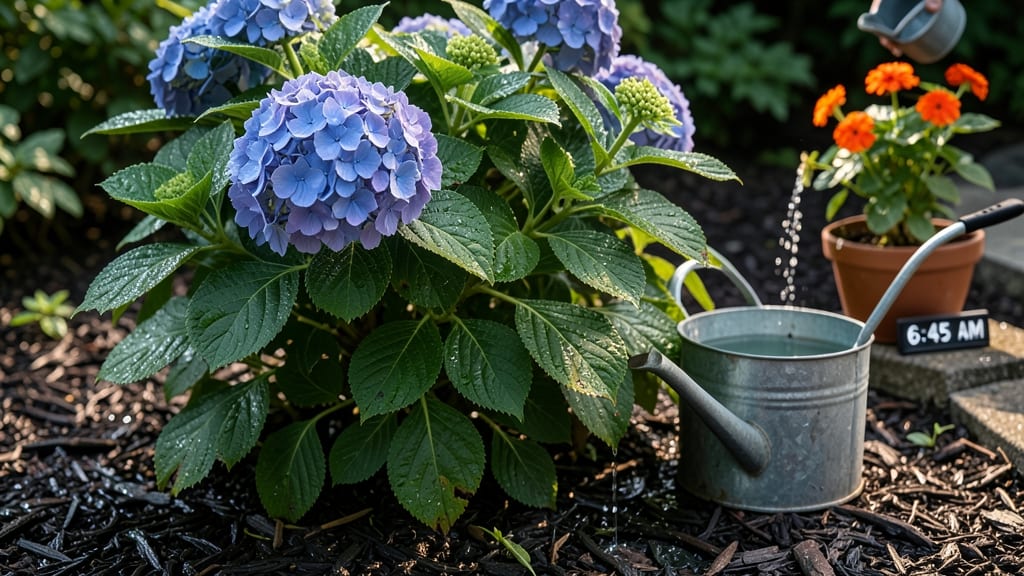
The best time to water your flowers is early morning 🌸—when the sun rises and the soil is cool, giving roots the perfect start to the day.
Struggling to keep your flowers thriving? The when of watering matters just as much as the how—and morning watering isn’t just a myth, it’s a science-backed secret for deeper roots and fewer pests.
Watering in the morning lets moisture soak into the soil before the heat of the day evaporates it, keeping your flowers hydrated and healthy. Plus, it reduces the risk of fungal diseases that thrive in damp, evening conditions.
In this guide, I’ll break down the ideal morning watering schedule for different flower types, seasonal adjustments, and how to spot signs of over- or under-watering—so you can give your blooms the care they deserve.
Why morning watering boosts flower health: the science behind root growth
If you’ve ever wondered why your roses or petunias look perkier after morning watering, the answer lies in soil science and plant physiology. Watering flowers in the early hours isn’t just habit—it’s a strategic move that maximizes root absorption and minimizes waste.
Studies show that 60-70% of water applied in the morning reaches plant roots, compared to just 20-30% in the evening due to evaporation.
Here’s the key: when you water in the morning, the soil stays moist during the day’s heat, but the surface dries out by evening. This prevents fungal diseases like powdery mildew, which thrive in damp, stagnant conditions.
Plus, roots absorb nutrients more efficiently when soil temperatures are cooler—typically between 60°F and 75°F in the early hours.
Think about your own watering routine: would you drink a lukewarm glass of water at noon or a cool sip first thing in the morning? Plants feel the same way. Morning watering ensures roots get the hydration they crave without the stress of midday heat or nighttime humidity.
🌱
One of the biggest myths is that morning watering means overwatering. The truth? Flowers like hydrangeas and peonies actually develop deeper root systems when watered consistently in the morning.
Research from the University of California found that plants watered at dawn had 30% more root mass after 8 weeks compared to those watered at dusk.
Let’s talk soil moisture levels. The ideal range for most flowers is between 30-50% moisture by volume. Morning watering helps maintain this balance—unlike evening watering, which can leave soil saturated overnight.
Use your finger to check: if the top 1-2 inches of soil feel dry, it’s time to water again.
Temperature plays a huge role too. In summer months, soil can heat up to 90°F+ by midday, shocking roots. Watering in the morning gives roots time to acclimate gradually. For winter care, adjust to early morning if temperatures drop below 40°F, as frozen soil reduces absorption.
Don’t forget about mulch—a 2-3 inch layer of organic mulch (like straw or shredded leaves) helps retain 20-30% more moisture after morning watering. It also insulates roots, keeping them in that ideal 60°F-75°F range longer.
Pro tip: If you’re using a drip irrigation system, set it to run for 15-20 minutes in the morning. This mimics natural rainfall patterns and ensures even distribution. For potted flowers, water until you see 10% runoff—this confirms the roots are getting hydrated.
💧
Ever notice how wilting flowers often recover by evening if watered in the morning? That’s because roots have had time to replenish during the day.
The same logic applies to fertilizer absorption: applying water in the morning helps dissolve nutrients in the soil, making them available for uptake within hours.
So next time you grab your watering can, aim for the early hours. Your flowers will thank you with healthier blooms, stronger stems, and fewer pests—all backed by the science of root growth.
Best morning watering schedule by flower type: timing for delicate blooms vs. drought-tolerant plants
Not all flowers thrive on the same watering routine—what works for delicate roses can drown drought-tolerant lavender. Morning watering is ideal, but the exact timing depends on your plant’s needs. Delicate blooms like hydrangeas need consistent moisture, while succulents store water and prefer infrequent drinks.
Let’s break down the best morning watering schedule by flower type to keep your garden flourishing all season.
For delicate blooms such as peonies, dahlias, and hydrangeas, water deeply between 6 AM and 8 AM when temperatures are cool. This gives roots time to absorb moisture before the sun intensifies.
These plants wilt quickly in dry conditions, so aim for 1-1.5 inches of water per week, adjusting for rain. Overwatering shows up as yellowing leaves or mushy stems, while underwatering causes drooping petals or crispy edges.
Drought-tolerant plants like lavender, succulents, and Russian sage need a completely different approach. Water them between 7 AM and 9 AM but let the soil dry completely between waterings. These hardy plants store water in their leaves or roots, so deep but infrequent watering encourages resilience. Signs of overwatering include blackened stems or moldy soil, while underwatering may cause wrinkled leaves or stunted growth.
Seasonal shifts demand adjustments to your morning watering routine. In summer heat, water earlier (5 AM - 7 AM) to prevent rapid evaporation and fungal growth. Most flowers need daily watering during peak heat, but drought-tolerant types can handle every other day if mulched.
In winter, delay watering until 8 AM - 10 AM to avoid freezing soil, and reduce frequency by 50%—most plants enter dormancy and need minimal moisture.
Pro tip: Always check soil moisture before watering. Stick your finger 1-2 inches deep—if it’s dry, it’s time to water. For potted flowers, lift the pot; if it’s lightweight, it’s thirsty.
Mulching around plants helps retain moisture and regulates soil temperature, reducing the need for frequent watering. This simple step can save you time and keep your garden thriving with minimal effort.
By tailoring your morning watering schedule to your flower types and seasonal needs, you’ll see healthier blooms, deeper roots, and fewer pests. Start with this schedule, observe your plants’ responses, and adjust as needed—your garden will thank you with vibrant, long-lasting flowers all season long! 🌸