
Transplanting
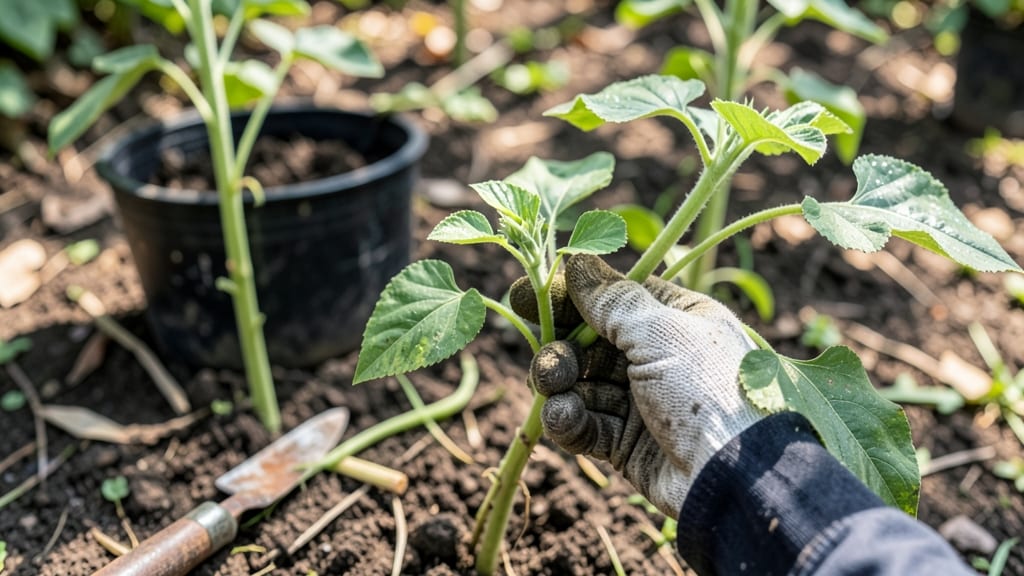
Thinning sunflower seedlings at the right time ensures strong, healthy stems that reach their towering potential 🌻—and skipping it can leave you with weak, floppy plants.
Picture this: you’ve just planted your sunflower seeds, and the little sprouts are popping up everywhere. But here’s the catch—if you wait too long to thin them, your sunflowers will compete for space, sunlight, and nutrients, leaving you with underwhelming blooms instead of the striking giants you dreamed of.
Timing matters more than you might think. The ideal moment to thin sunflower seedlings is when they’ve developed their first true leaves but before they become too crowded. This usually happens about 2-3 weeks after germination, depending on your climate and soil conditions.
In this guide, I’ll walk you through the three critical stages for thinning, how to do it without harming your plants, and why getting it right leads to bigger, stronger sunflowers with fewer headaches. Let’s get those seedlings spaced just right!
3 Critical stages to thin sunflower seedlings for maximum growth
Thinning sunflower seedlings might seem like a daunting task, but it's one of the most important steps for growing healthy, towering sunflowers. When done correctly, thinning ensures each plant gets the nutrients, sunlight, and space it needs to thrive.
The key is timing—thinning too early or too late can stress your seedlings and reduce your harvest. Let's explore the three critical stages for thinning sunflower seedlings and what to look for at each step.
I’ve learned through experience that rushing the thinning process can lead to weak stems and poor flowering. Sunflowers are resilient, but they need proper spacing to develop strong roots and sturdy stalks.
By thinning at the right stages, you’ll encourage faster growth, larger blooms, and healthier plants that can withstand wind and pests. Let’s dive into the exact moments you should thin your seedlings for the best results.
🌱 3 Critical Stages to Thin Sunflower Seedlings
-
Stage 1: Pre-Germination (Before Sprouts Emerge)
Thin to 1-2 inches apart when seeds are planted in rows. This prevents overcrowding as roots develop. -
Stage 2: 2-3 Leaf Stage (True Leaves Appear)
Thin to 6-12 inches apart for dwarf varieties or 12-18 inches apart for standard sunflowers. Look for the first set of true leaves (not cotyledons). -
Stage 3: 4-6 Leaf Stage (Seedlings Are Established)
Final thinning to 18-24 inches apart for mature spacing. Ensure plants have strong stems and no signs of disease before thinning.
💡 Pro Tip: Use a small hand trowel to gently loosen soil before pulling seedlings to avoid disturbing roots.
At the pre-germination stage, thinning is all about preparation. Before your sunflower seeds even sprout, you can thin them to 1-2 inches apart in rows. This might seem counterintuitive, but it prevents overcrowding as the roots begin to establish.
If you skip this step, your seedlings will compete for nutrients and sunlight right from the start, leading to weak growth. I’ve seen firsthand how a little extra space at this stage sets the foundation for stronger, healthier plants later on.
The 2-3 leaf stage is where most gardeners focus their thinning efforts. This is when your seedlings develop their first true leaves—the ones that look like miniature sunflower leaves, not the initial cotyledons.
At this point, you’ll thin to 6-12 inches apart for dwarf varieties or 12-18 inches apart for standard sunflowers. This spacing gives each plant enough room to grow without shading its neighbors, which is crucial for maximizing sunlight exposure.
If you wait until the 4-6 leaf stage to thin, you risk overcrowding that can stunt growth. By this stage, your seedlings should already have a good root system, but they still need space to develop strong, sturdy stems.
Thin to your final spacing of 18-24 inches apart, ensuring each plant has enough room to grow tall and robust. This is also a good time to check for any weak or diseased seedlings and remove them to prevent the spread of issues.
One of the biggest mistakes I’ve seen is thinning too late. If you wait until your sunflowers are already competing for space, their stems will become weak and leggy, making them prone to falling over.
Early thinning ensures that each plant has the resources it needs to grow straight and strong. Additionally, thinning at the right stages reduces the risk of fungal diseases, as crowded seedlings trap moisture and create ideal conditions for mold.
When thinning, always pull seedlings gently by the base to avoid damaging the roots of nearby plants. If you’re unsure which seedlings to keep, choose the healthiest, most vigorous ones with the strongest stems.
You can even transplant the thinned seedlings to another part of your garden or pot them up for later use. This way, you’re not wasting any of your hard work—just giving your sunflowers the best chance to thrive.
Remember, sunflowers are fast growers, and proper thinning ensures they reach their full potential. Whether you’re growing dwarf varieties for containers or tall giants for cut flowers, timing your thinning correctly will make all the difference in the size and health of your blooms.
With these three critical stages in mind, you’ll be well on your way to growing show-stopping sunflowers that turn heads in your garden.
🌻 Now that you know the best times to thin your sunflower seedlings, you’re ready to give them the care they deserve. Happy gardening!
How to thin sunflower seedlings without harming your plants: step-by-step guide
Thinning sunflower seedlings might seem daunting, but it’s one of the most important steps to ensure your plants grow strong, sturdy stems and vibrant blooms. When done correctly, thinning reduces competition for nutrients, water, and sunlight, allowing your sunflowers to reach their full 6-to-14-foot potential.
The key is acting at the right time and using the right technique to avoid stressing your plants.
Many gardeners wait too long to thin, leading to weak, leggy plants that struggle to support their own weight. Others thin too aggressively, causing unnecessary shock. The good news?
With the right approach, you can repurpose thinned seedlings for compost or even regrow them as microgreens, minimizing waste while maximizing your garden’s productivity.
- 1 First True Leaves Stage (2-3 leaves): Thin when seedlings have 2-3 sets of true leaves (not cotyledons). This is the ideal window—plants are small enough to handle but large enough to establish roots.
- 2 Height of 4-6 Inches: If seedlings reach 4-6 inches tall but are still crowded, thin immediately. Delaying risks stunted growth and pale, weak stems that can’t support heavy blooms.
- 3 Before Overcrowding (6+ inches apart): If seedlings are 6 inches apart or closer, thin as soon as possible. Overcrowding leads to competition for sunlight and increases the risk of fungal diseases from poor air circulation.
Once you’ve identified the right time, choose your thinning method carefully. Hand-pulling is gentle and best for small seedlings, while scissor-cutting (just above soil level) works well for larger plants to avoid disturbing roots.
Always leave the strongest, healthiest seedlings—look for straight stems, vibrant leaves, and no signs of pests.
Spacing is critical and varies by sunflower variety. Dwarf varieties (2-4 feet tall) need 12 inches apart, while standard varieties (8-14 feet tall) require 18-24 inches of space. Giant varieties may need up to 3 feet between plants.
After thinning, loosen the soil around remaining seedlings to encourage root growth and reduce competition.
Don’t toss those thinned seedlings! Chop them into small pieces and add them to your compost pile for nutrient-rich soil later. Alternatively, place them in a shallow tray with water to regrow as microgreens—they’re packed with nutrients and perfect for salads or garnishes.
This zero-waste approach turns a necessary chore into a gardening bonus.
Finally, monitor your thinned sunflowers closely in the days following. If leaves look wilted or yellow, give them a light watering and ensure they’re getting full sun. With proper thinning, your sunflowers will grow taller, stronger, and more resilient—rewarding you with show-stopping blooms all season long. 🌻