
Flowers
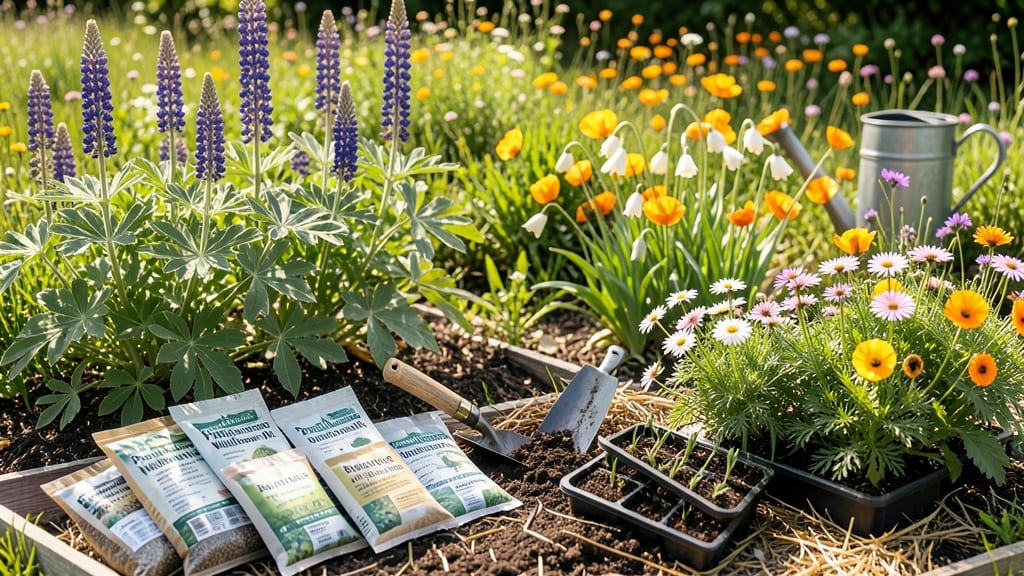
Planting wildflowers in the Pacific Northwest at the right time ensures vibrant blooms and avoids frost damage—spring and fall windows are your best bets for success.
Timing matters more than you think: a late spring planting can leave seeds vulnerable to unpredictable frost in zones 7b-9a, while fall sowing risks emerging seedlings freezing before winter. Get it wrong, and your meadow stays bare.
Most gardeners in the PNW focus on early spring (March-April) for annual wildflowers like lupines and columbines, but native perennials often thrive when planted in late summer (August-September). The key is matching your microclimate—coastal areas like Seattle have later frost dates than inland Portland.
In this guide, I’ll break down the exact planting windows for your region, the best wildflower species for PNW conditions, and how to prep soil for zero-frost success—so your garden bursts with color instead of disappointment.
Optimal Pacific Northwest wildflower planting seasons: spring vs fall timing explained
The Pacific Northwest’s variable climate makes planting wildflowers a precision task. From Seattle’s coastal chill to Eastern Washington’s dry heat, your microclimate dictates the perfect window. In USDA Zones 6-9, timing isn’t just about months—it’s about avoiding late frosts that can kill tender seedlings.
Spring planting (March-April) is ideal for cool-season wildflowers like lupines and columbines, while fall planting (August-October) suits warm-season varieties such as blanket flower and yarrow. Each season offers unique advantages, but frost risk is the deciding factor. Let’s break down the best strategies for your region.
Comparison Table: Spring vs. Fall Planting for PNW Wildflowers
For spring planting, focus on March-April after your last frost date. In Zone 7b (e.g., Seattle), this is typically mid-March, while Zone 9a (e.g., Eastern WA) can wait until early April.
Use seed packets as a guide—many list "plant after last frost", but PNW microclimates can shift this by weeks.
Fall planting offers a second chance for warm-season wildflowers that miss spring deadlines. Aim for August-September, giving seeds time to germinate before first frost.
In coastal areas, this might mean planting as late as October, while inland zones should finish by mid-September to avoid early winter chills.
One critical mistake is ignoring soil moisture. PNW’s wet springs can delay planting, while dry falls may require pre-watering. Always test soil moisture—stick your finger 2 inches deep.
If dry, water deeply before sowing. Native wildflowers like yarrow thrive with minimal watering once established, but seedlings need consistent dampness.
Use USDA Hardiness Zones as a baseline, but local weather patterns matter more. Check Almanac.com for your last/first frost dates, then adjust by 1-2 weeks for microclimate shifts. For example, Mountainous areas (e.g., Cascade foothills) may have earlier frosts than valleys, requiring sooner fall planting.
Pro tip: Stratify seeds for faster germination. Place wildflower seeds in a moist paper towel, refrigerate for 1-2 weeks, then sow. This mimics winter conditions and tricks seeds into breaking dormancy sooner. Perfect for late spring or <
How to choose wildflowers that thrive in Pacific Northwest climates
Selecting the right wildflowers for the Pacific Northwest means prioritizing native species that handle cool, wet winters and mild summers. My top picks include lupines (drought-tolerant and nitrogen-fixing), blanket flowers (bright orange blooms), and yarrow (long-lasting and pollinator-friendly).
These plants thrive in USDA Zones 7b-9a, common across the region.
Always check the seed packet timing cues—look for phrases like "plant after last frost" or "sow in fall for spring blooms." For example, lupines prefer late winter to early spring planting, while cosmos (drought-tolerant annuals) can handle summer sowing.
Matching your planting window to these cues ensures zero-frost success.
| Wildflower Type | Best Planting Time | Soil Prep | Frost Alignment |
|---|---|---|---|
| Lupines (Native Perennial) | Late Winter (Feb-Mar) | Loosen top 4" | After last frost (Mar-Apr) |
| Blanket Flowers (Drought-Tolerant) | Early Spring (Mar-Apr) | Add compost for drainage | Before summer heat |
| Yarrow (Pollinator-Friendly) | Fall (Aug-Sept) or Spring | Well-draining soil | Avoid early frost |
| Cosmos (Annual) | Summer (June-July) | Minimal prep needed | No frost risk |
Soil prep is critical—loosen the top 6 inches and mix in compost to improve drainage, especially for blanket flowers and lupines. Avoid heavy clay soils, which can suffocate roots.
Test your soil’s pH: lupines prefer 6.0-7.0, while yarrow tolerates 5.0-8.0. Adjust with lime or sulfur as needed.
For frost-sensitive annuals like cosmos, wait until after May 15 in most PNW regions to ensure no surprise frosts. Use local frost date maps (like those from the National Weather Service) to guide your timing.
Coastal areas (e.g., Seattle) have later last frosts (March 15) than inland (April 15 in Portland).
Native wildflowers like columbines and checker mallow are low-maintenance and support local pollinators. Pair them with drought-tolerant annuals like larkspur for extended blooms. Always mulch lightly after planting to retain moisture and suppress weeds without smothering seeds.
My pro tip: Start with a mix of perennials (for long-term color) and annuals (for quick blooms). For example, plant lupines in early spring and cosmos in summer to enjoy continuous blooms from April through October. Happy planting! 🌼