Flowers
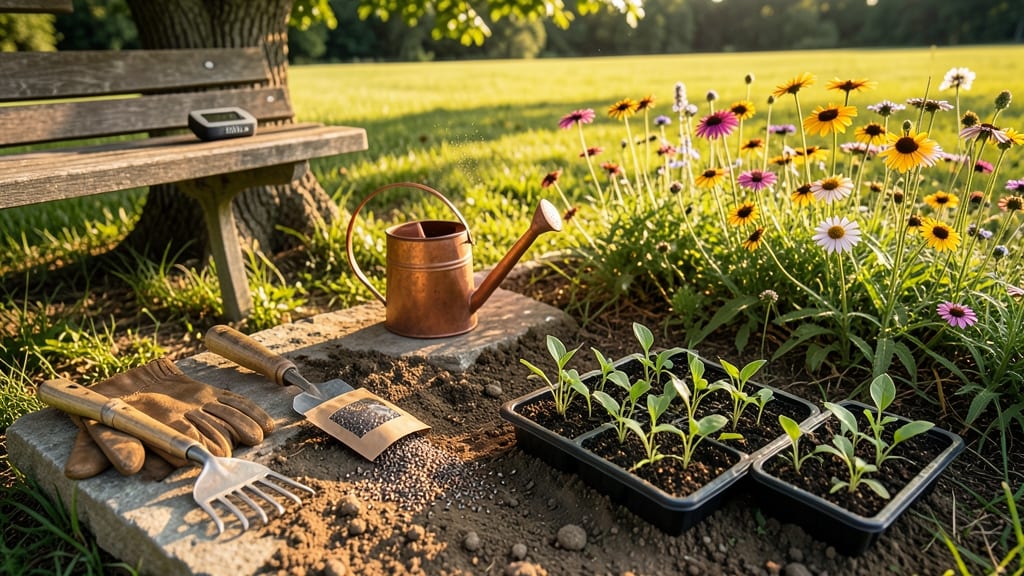
Planting wildflowers in Pennsylvania at the right time means the difference between a thriving meadow and seeds that never sprout 🌼—aim for early spring or early fall for best results.
Timing your wildflower planting in Pennsylvania can mean the difference between a vibrant meadow and a season of disappointment. Whether you're in the 5a-7a zones or dealing with unpredictable frost dates, getting it right ensures your seeds germinate strong and survive the first critical weeks.
Most gardeners in PA plant wildflowers in March-April or September-October, when soil temperatures are just right and frost risks are low.
But the exact window varies by region—southeastern PA can plant a little earlier than the cooler northwest, and late-summer sowing gives you a head start for next year's blooms.
Below, I’ll break down the frost-free timeline by region, the best wildflower varieties for each season, and the one soil prep trick that keeps your meadow lush for years. Ready to turn your yard into a pollinator paradise?
Pennsylvania wildflower planting calendar: frost-free dates by region
Timing your wildflower planting is crucial in Pennsylvania, where frost dates vary dramatically across the state's three distinct climate zones. Whether you're sowing native wildflowers for pollinators or colorful annuals for summer blooms, understanding your region's last frost dates and soil temperature thresholds ensures your seeds germinate successfully.
In this guide, I'll break down the optimal planting windows for Pennsylvania's Southeast, Central, and Northwest regions, including when to plant for spring blooms versus fall establishment.
Pennsylvania's climate ranges from USDA Zone 5a in the northern mountains to Zone 7a in the southern valleys, creating a 6-week difference in frost-free periods.
The Southeast region (including Philadelphia and Pittsburgh suburbs) typically sees its last frost by March 25th, while the Northwest (Erie and State College areas) often waits until May 1st.
These differences mean your planting schedule should adjust based on where you live to avoid frost damage to tender seedlings.
Most wildflowers thrive when planted either 4-6 weeks before the last frost (early spring) or 6-8 weeks before the first frost (early fall). For Pennsylvania, this translates to two primary planting windows: March-April for spring blooms and September-October for fall establishment.
Perennial wildflowers, like black-eyed Susan and coneflower, benefit from fall planting, as cooler temperatures encourage root development before winter dormancy.
Here's a quick reference for Pennsylvania's three main regions and their frost-free windows:
| Region | Last Frost Date | First Frost Date | Spring Planting Window | Fall Planting Window | Soil Temp Threshold |
|---|---|---|---|---|---|
| Southeast (Philadelphia, Reading) | March 25 - April 5 | October 20 - November 5 | March 1 - April 15 | September 15 - October 15 | 45°F (7°C) |
| Central (Harrisburg, Lancaster) | April 5 - April 15 | October 10 - October 25 | March 15 - April 30 | September 1 - October 10 | 40°F (4°C) |
| Northwest (Erie, State College) | May 1 - May 10 | September 25 - October 10 | April 15 - May 15 | August 15 - September 15 | 35°F (2°C) |
For annual wildflowers like cosmos or zinnia, you can extend your planting window slightly later in spring, as these species tolerate light frost better than perennials. However, I recommend waiting until after the last frost date for these varieties to avoid seedling damage.
In contrast, perennial wildflowers such as purple coneflower and butterfly weed should be planted earlier in the season to establish strong root systems before summer heat arrives.
Soil temperature is another critical factor—most wildflower seeds require soil temperatures of at least 50°F (10°C) to germinate. In Pennsylvania's Southeast region, this typically occurs by mid-March, while the Northwest may need to wait until late April.
You can use a soil thermometer to check conditions before planting, especially if you're sowing seeds early in the season. If temperatures are too cold, cover your planting area with a lightweight row cover to accelerate warming.
Fall planting offers unique advantages for Pennsylvania gardeners. By sowing seeds in September or early October, you allow them to germinate and establish roots before winter dormancy. This method reduces early-season competition from weeds and often results in more robust plants the following spring.
For late-season bloomers like goldenrod or asters, fall planting ensures they'll be ready to thrive when temperatures warm again in spring.
Regardless of when you plant, always prepare your soil by loosening the top 6 inches and removing weeds. Wildflowers thrive in well-draining soil with minimal fertilizer—over-fertilizing can lead to excessive foliage growth at the expense of blooms.
After sowing, lightly press seeds into the soil and water gently to ensure good seed-to-soil contact. Avoid heavy watering, which can wash seeds away or
Best wildflower types for Pennsylvania seasons: early vs. late planting
Pennsylvania's diverse climate zones—from the humid Southeast to the cooler Northwest—demand strategic wildflower selection based on planting timing. Early spring planting (March-April) unlocks cold-hardy spring ephemerals like bloodroot and trillium, while late summer/fall (August-September) suits heat-tolerant perennials such as black-eyed Susan and coneflower.
The key? Matching your wildflower varieties to Pennsylvania's 165-day frost-free window.
For early planting success, focus on cold-tolerant annuals like lupine and phlox, which germinate in 40-50°F soil.
These thrive when sown 4-6 weeks before last frost (typically late March in SE PA, early April in NW PA). Perennial wildflowers like wild bergamot benefit from fall planting (September-October), establishing roots before winter dormancy.
🌱 Numbered Highlights: PA Wildflower Planting by Season
- 🌸 Early Spring (March-April): Plant cold-hardy annuals (lupine, phlox) and spring ephemerals (bloodroot, trillium) when soil reaches 40°F+.
- ☀️ Late Spring (May-June): Sow sun-loving perennials (black-eyed Susan, coneflower) after last frost; ideal for drought-tolerant mixes.
- 🍂 Fall (September-October): Best for perennial wildflowers (wild bergamot, goldenrod) to establish roots before winter.
- ❄️ Late Summer (August): Heat-tolerant annuals (cosmos, zinnias) thrive when planted 6-8 weeks before first frost.
- 🌿 Soil Prep Tip: Loosen top 6 inches of soil and remove weeds before planting any season.
My top recommendation for early planting is wild columbine, a USDA Zone 3-8 native that blooms in partial shade and tolerates PA's variable spring temperatures. For late-season color, purple coneflower (Echinacea) sown in August-September rewards you with 3-4 weeks of summer blooms before winter.
Regional adjustments matter: In SE PA, where Zone 7a extends the growing season, you can push late summer planting to early September. Meanwhile, NW PA's Zone 5b demands earlier spring sowing (late March) to avoid late frosts.
Always check your local frost dates—they can vary by 2-3 weeks within the state!
Pro tip: Mulch lightly after planting to retain moisture and regulate soil temperature. For early spring plantings, use straw mulch (1-2 inches) to protect emerging seedlings from temperature swings. In fall, opt for leaf litter to insulate roots during winter.
Remember, wildflower mixes often contain multiple species with varying germination times. Late plantings (August-September) may not show full bloom until next year, but they’ll establish stronger root systems for longer-lived perennials. Start small—try a 10x10-foot plot—and expand as you master your local microclimate.