
Flowers
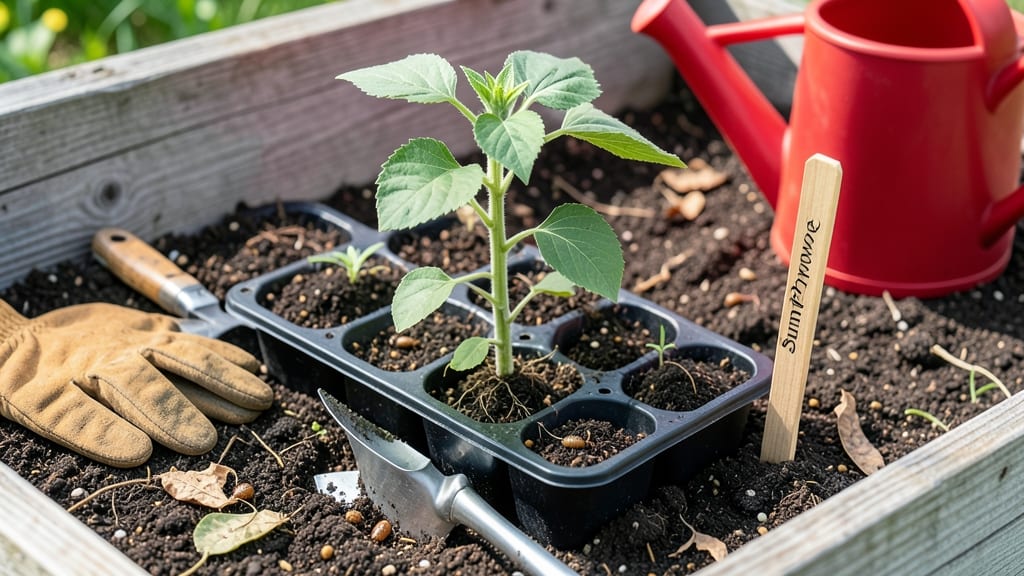
Planting sunflowers in Portland, Oregon, means timing your seeds for mid-April to early July — after the last frost but before summer’s heat peaks.
Portland’s mild but unpredictable climate can make timing your sunflower planting tricky — plant too early and risk frost damage, too late and miss summer’s vibrant blooms. Mastering the frost-free window is key to growing sunflowers that reach their towering, cheerful potential.
Sunflowers thrive in Portland’s USDA Zone 8a, where soil warms quickly once frost passes. Direct-sowing seeds 1 inch deep after April 15 ensures they germinate in 5-10 days, giving them time to mature before fall’s first frost.
Below, I’ll break down Portland’s frost dates, soil temperature thresholds, and the best sunflower varieties for your garden, so you can enjoy fast, towering blooms all summer long.
Portland’s sunflower planting timeline: frost dates & soil warmth guide
Portland’s USDA Zone 8a climate offers a 165-day frost-free window, perfect for sunflowers that thrive in warm soil and long summer days. The last spring frost typically arrives by April 15, while the first fall frost hits around October 15.
Timing your planting right ensures your sunflowers reach their 6-14 foot potential before winter’s chill sets in.
Sunflowers need soil temperatures above 50°F to germinate successfully. In Portland, this usually aligns with mid-April for the Willamette Valley but may be 1-2 weeks later in cooler East Portland microclimates. Always check soil warmth with a soil thermometer before planting to avoid delays.
For spring-planted sunflowers, aim for mid-April to early May—this gives them enough time to mature before fall frosts. Summer-planted varieties can go in until early July, though they’ll bloom later in the season. Succession planting in June extends your harvest window.
| Planting Window | Soil Temp Requirement | Frost Risk | Best Varieties | Microclimate Notes |
|---|---|---|---|---|
| Mid-April to Early May | 50°F+ | Low (after last frost) | Mammoth, Teddy Bear | Willamette Valley: 2 weeks earlier |
| Early June | 55°F+ | None | ProCut, Autumn Beauty | East Portland: 1 week later |
| Early July | 60°F+ | None | Dwarf varieties | Urban heat islands: 1 week earlier |
East Portland’s cooler microclimate often means delaying planting by 1-2 weeks compared to the Willamette Valley. If you’re in a low-lying area, wait until soil reaches 55°F before planting to avoid germination issues. Urban heat islands near downtown can actually warm soil faster, allowing for earlier plantings.
Sunflowers grown from direct-sown seeds (not transplants) perform best in Portland. Plant seeds 1 inch deep and 6 inches apart, then thin to 12-24 inches as they grow. This spacing prevents overcrowding and ensures each plant gets enough sunlight and nutrients.
For extended blooms, try succession planting every 2-3 weeks from April through June. This staggered approach keeps your garden vibrant with continuous color throughout summer and into early fall. Just be mindful of your 100-day maturity window for most varieties.
If you’re unsure about frost dates, use row covers for early plantings or opt for cold-tolerant varieties like Autumn Beauty, which handle cooler temperatures better. Always monitor local weather forecasts—Portland’s unpredictable spring can bring late frosts even after April.
Pro tip: Test your soil’s pH (6.0-7.5 ideal) and amend with compost before planting. Portland’s clay-heavy soil benefits from organic matter to improve drainage and nutrient availability. A quick soil test kit makes this easy to do at home.
With the right timing, your sunflowers will reward you with stunning blooms that attract pollinators and add height and drama to your garden. Start seeds indoors 4-6 weeks before your last frost date if you prefer transplants, but direct sowing is simpler and just as effective for Portland’s climate.
Sunflower varieties best suited for Portland’s growing season
Portland’s 140-160 day growing season offers plenty of time for sunflowers to thrive, but choosing the right variety ensures you get the most vibrant blooms. With mild winters and warm summers, you can enjoy both early and late-season varieties.
My top picks balance maturity time, cold tolerance, and bloom duration to fit Portland’s unique climate.
For early blooms and quick success, dwarf varieties like Teddy Bear (50-60 days to maturity) are perfect. They handle cooler spring temperatures better than giant types and produce cheerful, compact blooms.
If you’re aiming for tall, dramatic sunflowers, Mammoth varieties (85-100 days) need a longer season but reward you with 10-14 foot stalks that tower over your garden.
Here’s how these varieties stack up for Portland’s climate, including their bloom periods and succession planting tips to extend your harvest:
For extended blooms all summer, I recommend combining Teddy Bear and ProCut varieties. Plant the first batch of Teddy Bears in mid-April for early color, then follow with ProCut every 3 weeks until early June.
This creates a continuous display from June through September, even in Portland’s cooler, wetter months.
If you love tall, statement sunflowers, reserve space for Mammoth varieties planted in late May. These giants need full sun and rich soil to reach their towering heights, but they’ll be the showstoppers of your late summer garden.
Pair them with Autumn Beauty for a colorful fall finale—their petals shift from gold to deep red as they mature.
Don’t forget to stake tall varieties if Portland’s windy conditions threaten to topple them. A simple bamboo stake or garden ring will keep them upright and maximize their sun exposure for bigger blooms.