
Flowers
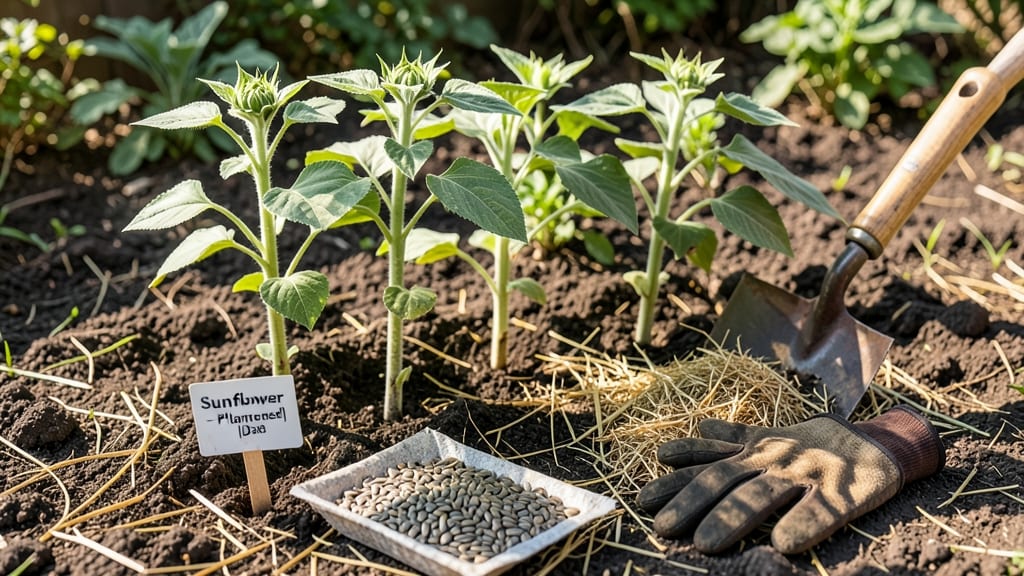
To plant sunflowers in Idaho, wait until after your last frost date — typically mid-April in most zones, but late May in higher elevations like Coeur d’Alene’s 4b-7b range.
Sunflowers thrive in Idaho’s sunny skies, but planting them at the wrong time can mean wilting before they bloom—or worse, frost damage. With the right timing, you’ll get those towering 🌻 stalks reaching for the sky by summer.
Idaho’s varied climate means your planting window shifts by region. In Boise, you’ve got 120-180 frost-free days, while mountain areas like McCall may only have 90 days. That’s why knowing your zone—and when to start seeds indoors—is the key to avoiding disappointment.
Below, I break down the exact frost-free timeline for Idaho’s USDA zones, plus pro tips to extend your sunflower season. Whether you’re growing Mammoth varieties or compact Teddy Bears, you’ll learn how to time it right for maximum blooms and minimum stress.
Idaho’s USDA zones: sunflower planting dates by last frost date
Idaho’s diverse climate—from high mountain valleys to arid southern plains—means sunflower planting dates can vary dramatically. The state spans USDA Zones 3 through 7, with frost-free windows ranging from early May in southern Idaho to late June in cooler mountain regions.
Getting your timing right ensures vigorous growth and full-season blooms instead of frost-nipped disappointment.
For most Idaho gardeners, the last frost date is the golden rule. In Zone 7 (Boise, Caldwell), you can start planting as early as mid-April, while Zone 4 (Coeur d’Alene, Sandpoint) waits until late May.
But don’t just rely on dates—watch for soil temperatures above 50°F and consistent daytime warmth before committing to the garden.
⚠️ CRITICAL: Sunflowers are frost-sensitive as seedlings. Planting too early in Zone 5 or 6 (like Twin Falls or Moscow) risks seedling death if a late frost hits. Wait until two weeks after your average last frost for safety, or use row covers if you’re eager to start sooner.
🌱 SUMMARY-TABLE:
USDA Zone
City/Region
Avg. Last Frost
Safe Planting Window
Late-Season Option
Zone 7
Boise, Caldwell, Nampa
April 15
Mid-April to May 15
Late July (fall blooms)
Zone 6
Twin Falls, Burley, Gooding
April 30
Late April to May 30
Early August
Zone 5
Moscow, Lewiston, Post Falls
May 15
May 30 to June 15
Mid-August
Zone 4
Coeur d’Alene, Sandpoint, Priest Lake
June 1
June 15 to July 1
Late August (short season)
If you’re in southern Idaho (Zone 7), you can squeeze in two plantings: one in early spring for summer blooms and another in late July for fall color.
In northern Idaho (Zones 4-5), focus on one late spring planting and accept that tall varieties may not reach full height before frost. For these regions, choose shorter varieties like Teddy Bear (3-4 feet) to guarantee blooms.
For container gardening, timing is even more critical. Containers heat up faster and dry out quicker, so wait until after your region’s last frost and place pots in full sun. In Zone 6 (Twin Falls), this means late April to early May—no exceptions.
Use black pots to warm soil faster if you’re in a hurry, but always monitor for even moisture.
Pro tip: Succession planting works wonders in Idaho’s short season. After your first batch blooms, pull up spent plants and replant with new seeds in late June or early July.
This extends your sunflower season by up to 6 weeks, giving you fresh blooms when other gardens are winding down.
Don’t overlook microclimates. A south-facing slope in Zone 5 might warm up enough for early planting, while a valley floor could hold frost longer. Observe your garden’s patterns for 3-5 years to refine your timing.
Keep a planting journal with notes on frost dates, soil warmth, and bloom success—it’s the secret weapon for Idaho gardeners.
Finally, soil prep matters just as much as timing. Sunflowers thrive in well-draining, slightly acidic soil (pH 6.0-7.0). Work in compost or aged manure 2-3 weeks before planting to give roots a nutrient boost
Best sunflower varieties for Idaho’s climate and when to plant them
Idaho’s diverse climate—from high deserts to mountain valleys—means not all sunflower varieties thrive equally. For early blooms in USDA zones 4-6, choose Mammoth or Russian Giant, while drought-resistant varieties like Teddy Bear shine in southern Idaho’s heat.
Timing is everything: plant after your last frost date (mid-April to mid-June) for summer blooms or late July for fall varieties.
Your location in Idaho dictates the best choices. In Boise’s zone 7b, Autumn Beauty delivers vibrant fall colors, while Coeur d’Alene’s cooler zone 6b favors Moulin Rouge’s bold petals. For high-altitude areas like McCall, opt for early-maturing varieties like Sunspot to avoid short seasons.
Here’s how to balance variety selection with planting timing for Idaho’s unpredictable weather:
Idaho Sunflower Planting Timeline
- ✅ Pros: Longer growing season for tall varieties
- ✅ Best for: Mammoth, Russian Giant (120+ days to maturity)
- ❌ Cons: Frost risk if planted too early
- ✅ Pros: Avoids late frosts, ideal for shorter varieties
- ✅ Best for: Teddy Bear, Sunspot (60-90 days)
- ❌ Cons: Limited time for tall varieties to mature
- ✅ Pros: Fall blooms, drought-tolerant options
- ✅ Best for: Autumn Beauty, ProCut (cut flowers)
- ❌ Cons: Shorter daylight may reduce size
🌱 Pro Tip: Test soil temps—wait until 50°F+ for 2+ weeks before planting.
For southern Idaho’s dry heat, prioritize drought-resistant varieties like ProCut or Autumn Beauty, which need less water once established. These thrive in zone 7b’s intense summer sun with minimal care. In contrast, northern Idaho’s cooler zones (4-6) benefit from early-maturing types like Sunspot to beat frost.
If you’re growing sunflowers for cut flowers, ProCut or Moulin Rouge are top picks—their sturdy stems last weeks in vases. For bird feeders, Russian Giant’s large heads attract goldfinches, while Teddy Bear’s compact size works well in containers.
Always plant seeds 1 inch deep and 6 inches apart, thinning to 12-24 inches as they grow.
Don’t overlook succession planting! In Idaho’s short season, stagger plantings every 2-3 weeks from May to July for continuous blooms. This works especially well for dwarf varieties like Teddy Bear, which mature faster and avoid late-season bolting.
Just remember: water deeply during Idaho’s dry spells to keep stems strong and blooms vibrant.
With the right variety and timing, Idaho’s sunflowers can reach 10+ feet tall by summer’s end—just in time for fall harvests before frost.
Whether you’re aiming for cut flowers, bird feed, or garden height, these varieties and planting tips will help you make the most of Idaho’s sunny season. 🌻