
Plants
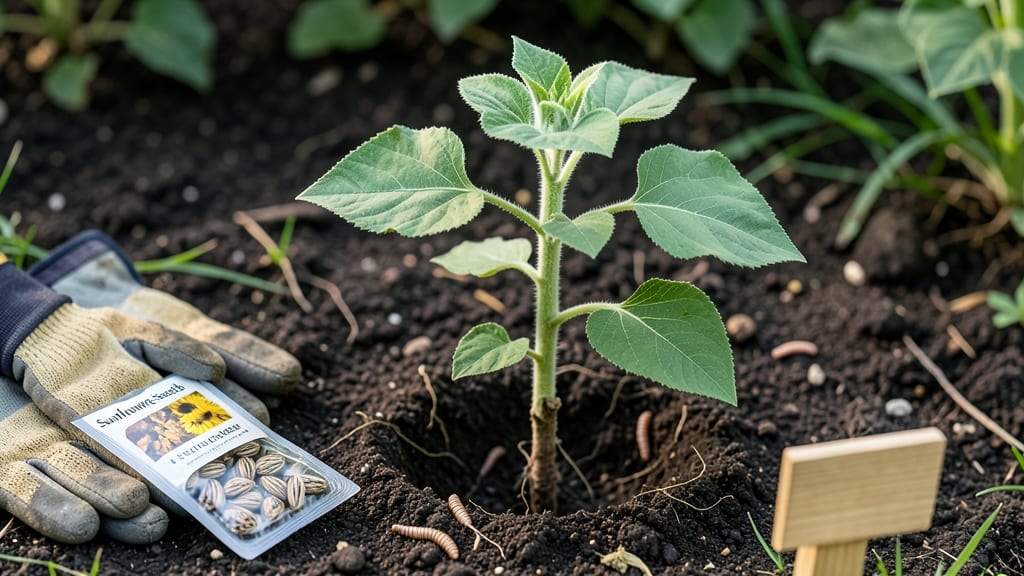
Planting sunflower seeds in New Jersey after the last frost date—typically mid-April to early June—sets them up for fast, sturdy stalks that tower over your garden.
Sunflowers bring bold beauty and wildlife to your garden—but planting them at the wrong time in New Jersey’s unpredictable climate can mean floppy stems or stunted blooms. Timing is everything for fast-growing, sturdy sunflowers that thrive from Jersey Shore to the Poconos.
Whether you’re growing sunflowers for cut flowers, birdseed, or just the joy of watching them reach toward the sky, getting the timing right means fewer disappointments and more reliable blooms by late summer.
I’ll walk you through NJ’s frost dates, the best planting windows for your region, and how to adjust for microclimates—so your sunflowers grow tall and strong all season long.
NJ frost dates and best planting windows for sunflowers
New Jersey's USDA zones 6b-7a create a 165-day growing season for sunflowers, but timing is critical. The average last frost date ranges from April 15 in northern NJ to May 1 near the coast.
Planting too early risks frost damage, while late planting may result in stunted growth before the first frost in late October.
Sunflowers are fast-growing annuals that thrive with 6-8 hours of sunlight daily. In NJ, the ideal planting window spans from mid-April to early June, with late May being the safest bet for most regions. This schedule ensures strong stem development before summer heat sets in.
Here’s a quick reference for NJ’s three planting zones—coastal, piedmont, and highland—each with slightly different frost risks:
| Zone | Last Frost Date | Best Planting Window | Early Varieties | Late Varieties |
|---|---|---|---|---|
| Coastal (e.g., Cape May, Atlantic City) | April 20 - May 1 | May 10 - June 1 | 'Teddy Bear' (50 days) | 'Russian Giant' (120 days) |
| Piedmont (e.g., Trenton, Princeton) | April 15 - April 25 | April 25 - May 15 | 'Moulin Rouge' (55 days) | 'Autumn Beauty' (90 days) |
| Highland (e.g., Sussex, Poconos) | May 1 - May 10 | May 15 - June 1 | 'Sunspot' (50 days) | 'ProCut' (85 days) |
For direct sowing, which is ideal for sunflowers, drop seeds 1 inch deep and 6 inches apart once soil reaches 60°F. This method ensures stronger stems than transplanting, as sunflowers dislike root disturbance. If you prefer transplants, start seeds indoors 4-6 weeks before your last frost date.
In northern NJ, where frosts linger longer, opt for early-maturing varieties like 'Teddy Bear' (50 days) or 'Sunspot' (55 days). These reach maturity before the first frost in late October. Meanwhile, southern NJ gardeners can experiment with late-season varieties like 'Russian Giant' (120 days) for dramatic height.
Protect young seedlings from late frosts with row covers or cloche tunnels until they’re 6 inches tall. Once established, sunflowers are drought-tolerant but benefit from consistent moisture during germination and flowering. Water deeply in the morning to prevent fungal diseases.
Succession planting works well in NJ. Sow new seeds every 2 weeks from May to July for a continuous bloom and birdseed supply. This strategy extends your harvest window and supports local pollinators year-round.
Sunflowers thrive in well-draining soil with a pH of 6.0-7.5. Amend heavy clay soils with compost or sand to improve drainage. Avoid over-fertilizing with nitrogen, which promotes leafy growth over flowers. Instead, use a balanced 5-10-10 fertilizer when plants are 6-12 inches tall.
Remember, sunflowers follow the sun (heliotropism). Plant them where they’ll have unobstructed southern exposure to maximize their phototropic growth. In NJ’s humid summers, space plants 12-24 inches apart to allow airflow and reduce disease risk.
With the right timing and care, your NJ sunflowers will reward you with bold blooms, tall stalks, and a bountiful seed harvest—all while attracting bees, butterflies, and birds to your garden. 🌻
How to adjust sunflower planting for NJ’s microclimates
New Jersey’s diverse geography—from the coastal plains near Atlantic City to the Piedmont hills of central NJ and the highlands of the Poconos—creates unique growing conditions for sunflowers. Each region has its own frost risks, soil types, and temperature swings that demand tailored planting strategies.
I’ve grown sunflowers across all three zones and learned which adjustments make the biggest difference in stalk strength and bloom size.
For coastal NJ, where ocean breezes delay spring warming, aim to plant 2-3 weeks later than inland areas. The Piedmont region benefits from warmer nights, allowing earlier sowing, while the highlands often face cooler soils that require soil warming tricks.
Let’s break down the region-specific tweaks that’ll give your sunflowers the best shot at thriving.
- 1
- 2
- 3
- 4
- 5
One trick I’ve found works across all NJ regions is succession planting. Since sunflowers grow so quickly, sow a new batch every 2 weeks from May through June. This ensures you’ll have blooms from July through September, even if early plantings get stressed by heat or pests.
For the coastal plain, where humidity is higher, space plants 18-24 inches apart to improve airflow and reduce fungal risks like powdery mildew.
Don’t overlook soil temperature—sunflower seeds need soil to be at least 55°F to germinate. In cooler highland areas, use a soil warming mat or plant near a south-facing wall to give seeds a head start.
I once planted in Sussex County without warming the soil, and germination took 3 weeks longer than expected. Patience pays off, but a little extra warmth makes all the difference.
For late-season protection, especially in the highlands, consider planting dwarf varieties like ‘Teddy Bear’ (3-4 feet tall) near the end of May. These stay compact and are less likely to flop in windy conditions.
If you’re growing giant varieties (10+ feet), stake them early and use soft ties to prevent stem damage from summer storms—common in all NJ regions.
Finally, remember that birdseed sunflowers mature faster than cut-flower types, so adjust your planting timeline if you’re growing them for wildlife. For maximum seed production, let a few heads go to seed and leave them on the stalk until first frost.
Birds will thank you—and your garden will stay vibrant longer.