
Plants
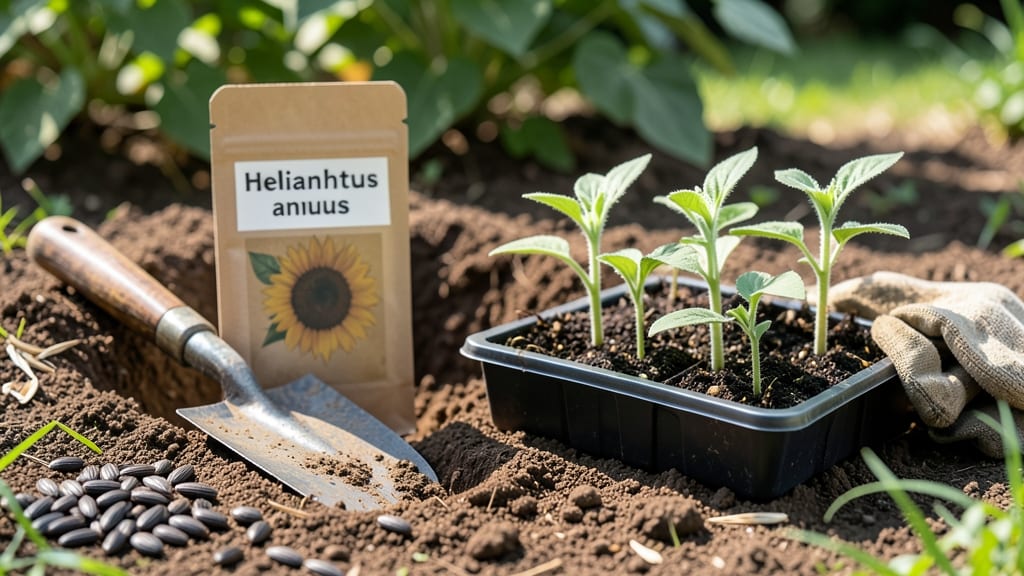
To plant sunflower seeds in Florida, aim for February–April or August–September—timing that avoids frost in the North and maximizes heat tolerance in the South.
Sunflowers thrive in Florida’s warm climate—but planting them at the wrong time can leave you with wilted dreams instead of towering blooms. Timing is everything, and Florida’s unique heat zones demand precision to avoid frost damage and maximize growth.
In North Florida (Zone 8a), wait until after the last frost (usually mid-March), while South Florida (Zone 11) can start as early as January. The key is soil warmth—seeds need 50°F+ to germinate, so check before you plant.
Below, I break down the exact windows for your region, soil prep tips, and how to stretch your growing season for continuous blooms—no matter where you live in the Sunshine State.
Florida heat-Zone planting calendar for sunflower seeds
Florida’s three distinct heat zones—North, Central, and South—create unique frost-free windows for planting sunflower seeds 🌻. While most of Florida enjoys year-round growing potential, timing matters to avoid heat stress or late-season wilting.
Let’s break down the ideal planting months for each zone, including soil temperature and germination tips.
Sunflowers need consistent warmth to thrive, with optimal germination occurring between 60°F and 85°F. In Florida’s North Zone (8a-9a), you’ll want to plant after the last frost (typically mid-February), while Central (9b-10a) and South (10b-11) zones offer earlier starts as early as January.
Let’s dive into the specifics.
🌱 Key Takeaway: Florida’s South Zone can plant sunflowers year-round, but spring and fall yields are best. North Zone gardeners should focus on early spring and late summer plantings to avoid extreme heat or early frosts.
For North Florida, aim to plant sunflower seeds between February and April to ensure they mature before summer’s brutal heat. Start seeds indoors in January if you’re eager for an early harvest.
In Central Florida, you can push planting to early January, but monitor soil temperatures—they should stay above 65°F for consistent germination.
In South Florida, your year-round flexibility is a gardener’s dream! Plant anytime, but spring and fall will give you the tallest, healthiest blooms. If you’re growing dwarf varieties, you can even enjoy winter sunflowers in protected microclimates.
Just avoid planting during peak summer if you’re in direct sunlight—shade cloth can help young seedlings.
Pro tip: Use a soil thermometer to check germination readiness. Sunflowers won’t sprout until soil hits 60°F, and ideal temps are between 65°F and 85°F. If your soil is too cold, cover seeds with black plastic mulch to warm it up faster.
In North Florida, this is especially critical in early spring.
For late-season plantings (August-September), focus on fast-maturing varieties like ‘Autumn Beauty’ or ‘Moulin Rouge’. These compact sunflowers can handle cooler temps and still produce vibrant blooms before first frost in North Florida.
In Central and South, you can push it even later—October plantings often yield winter blooms!
Remember: Sunflowers hate transplanting, so direct sow seeds in your garden for the best results. Plant seeds 1 inch deep and 12 inches apart (or 24 inches for tall varieties). Thin seedlings to avoid crowding, which leads to weak stems and fewer blooms. 🌻
If you’re in North Florida and worried about late frosts, opt for early-maturing varieties like ‘Teddy Bear’ (50-60 days to maturity) or ‘Sunspot’ (55-60 days).
These dwarf sunflowers are perfect for container gardening or small spaces and can be planted as late as early June for a fall harvest.
Finally, keep an eye on humidity levels. Florida’s high humidity can lead to <
How to extend your sunflower growing season in Florida
Florida’s long growing season lets you enjoy sunflowers year-round, but strategic planning ensures continuous blooms from spring through fall. The key lies in early starts, succession planting, and protecting young seedlings from Florida’s intense summer heat.
With the right techniques, you can enjoy towering sunflowers from February through November—even in the same garden space!
Start by preparing your soil with organic matter like compost or aged manure to improve drainage and nutrient availability. Sunflowers thrive in well-draining soil, and Florida’s heavy clay can suffocate roots if not amended.
Test your soil’s pH—sunflowers prefer a slightly acidic to neutral range of 6.0 to 7.0. If your soil is too alkaline, mix in peat moss or sulfur to adjust it before planting.
- 📅 Early Spring Start (Feb-Mar): Plant seeds indoors 4-6 weeks before last frost (or direct sow in South Florida). Use grow lights if starting early to avoid leggy seedlings.
- 🌱 Succession Planting (Apr-Oct): Sow new seeds every 2-3 weeks for continuous blooms. Stagger plantings to ensure a steady harvest of seeds and flowers.
- ☀️ Summer Protection (Jun-Aug): Shield young seedlings with shade cloth (30-50%) during peak heat (10 AM–4 PM). Mulch heavily to retain moisture and cool roots.
- 🌿 Fall Revival (Sep-Oct): Plant a second crop in late summer for fall blooms. Choose dwarf varieties (3-6 ft) to avoid wind damage from hurricanes.
- 💧 Watering Strategy: Water deeply morning only to prevent fungal diseases. Avoid overhead watering during humid afternoons.
For late-season sunflowers, focus on shade protection and mulching. Florida’s summer heat can scorch seedlings, so use lightweight shade cloth or plant near taller crops (like corn or beans) to provide natural shade.
Apply 2-3 inches of mulch around seedlings to lock in moisture and regulate soil temperature. Organic mulches like straw or wood chips also suppress weeds and improve soil health over time.
Don’t overlook pest prevention during extended growing seasons. Sunflower moths and beetles thrive in Florida’s warm climate, so monitor plants regularly. Handpick larger pests or use neem oil spray for organic control.
If you notice chewed leaves or holes in buds, act quickly—sunflowers can recover from early damage but may yield fewer blooms.
Harvest seeds before they fully mature if you’re saving them for next season. Cut the flower head when the back turns yellow and seeds are plump but still dark. Hang heads upside down in a dry, well-ventilated space for 1-2 weeks to dry completely.
Store seeds in airtight containers in a cool, dark place for up to 2 years.
With these strategies, your sunflower garden can bloom year-round in Florida—from bright spring blooms to golden fall harvests. The secret? Timing, protection, and patience pay off with sunflowers that keep giving until winter’s chill arrives. 🌻