
Flowers
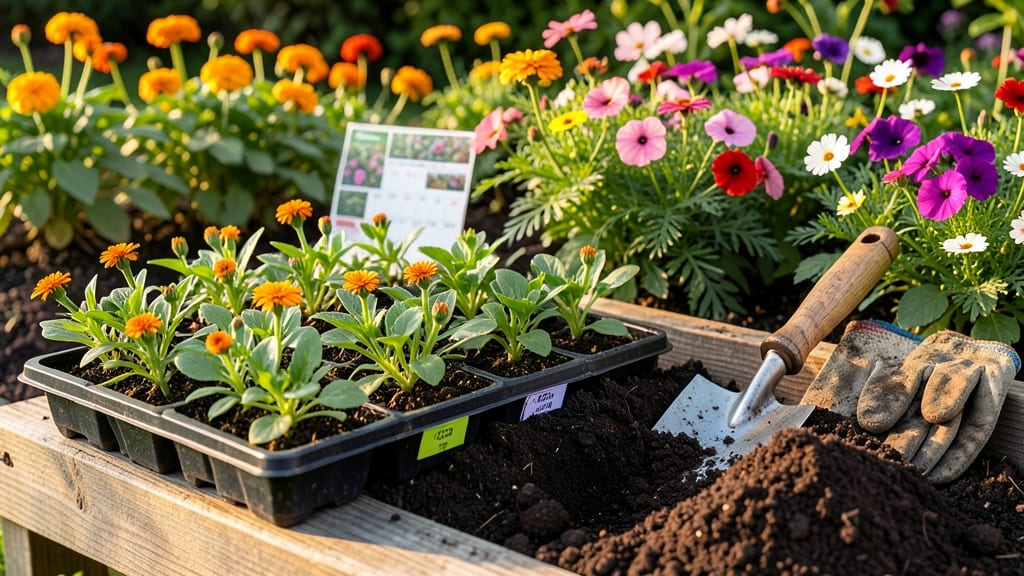
Planting flowers in St. Louis means timing your blooms to beat the frost—spring’s last average date is April 15, but your garden’s microclimate could shift that by weeks.
St. Louis gardeners know timing is everything—plant too early and frost ruins your blooms, too late and summer heat shrinks your flowers. But with Missouri’s unpredictable climate, how do you never guess wrong?
This guide cuts through the guesswork with USDA Zone 6a planting windows, frost-proof flower picks (like hardy pansies or heat-loving coneflowers), and soil tricks to outsmart St. Louis’ erratic swings.
You’ll walk away with a zero-fail calendar, microclimate adjustments, and pro tips to turn your garden into a year-round 🌸 show—no matter what Mother Nature throws your way.
St. louis frost dates & flower planting calendar by month
St. Louis sits in USDA Zone 6a-6b, where average last frost arrives around April 15 and first fall frost typically hits October 15. These dates create a 165-day growing season—just enough for bold annuals, hardy perennials, and early bulbs.
But here’s the catch: urban heat islands in cities like Downtown or Clayton can delay frost by 1-2 weeks, while rural areas like Wentzville or Washington may see frost earlier. Always check your local microclimate!
For annual flowers, your window is tight: sow seeds indoors by March 1 or plant outdoor starts after April 15. Perennials like coneflowers or daylilies can go in the ground as early as March 15, while bulbs like tulips need chilling—plant them in October or November for spring blooms.
Fall planting? Aim for September 1 to October 1 to beat frost.
🌱Pro Tip: Use soil thermometers to confirm 50°F+ soil temps before planting warm-season annuals like marigolds or zinnias. Cold soil slows germination, and you’ll waste precious growing time.
| Month | Plant Type | Best Flowers | Action | Notes |
|---|---|---|---|---|
| February | Bulbs | Tulips, Daffodils, Hyacinths | Plant | Chill for 6-8 weeks before last frost |
| March | Perennials | Coneflowers, Daylilies, Black-Eyed Susans | Plant | Hardy to Zone 6; no frost risk after March 15 |
| April | Annuals | Petunias, Impatiens, Sweet Alyssum | Sow Seeds Indoors | Transplant after April 15 (last frost) |
| May | Warm-Season | Marigolds, Zinnias, Sunflowers | Direct Sow | Soil must be 60°F+; mulch to retain heat |
| September | Fall Annuals | Pansies, Snapdragons, Calendula | Plant | Cold-hardy; plant 6-8 weeks before first frost |
| October | Bulbs | Crocuses, Alliums, Fall-Planted Tulips | Plant | Before ground freezes; mulch after planting |
If you’re in a hot urban microclimate, extend your season by 2 weeks. Areas like Forest Park or the Hill stay warmer, letting you plant heat-loving annuals like vinca or portulaca a little earlier.
Conversely, rural areas may need to wait until May 1 for warm-season plants to avoid frost surprises.
🌿Adjust for Your Yard: Use row covers to plant 2 weeks earlier in spring or extend fall blooms by 3-4 weeks. For containers, move potted flowers to sheltered spots at night if frost is forecasted.
St. Louis’ summer heat (often hitting 90°F+ by June) demands quick action. Heat-tolerant annuals like lantana or celosia should be in the ground by May 15, while shade-loving perennials (e.g., hostas or astilbes) can handle planting until June 1.
💧Watering Hack: After planting, deep-water weekly for the first month to establish roots. Use drip irrigation in containers—it’s 30% more efficient than hand-watering and prevents fungal issues from overhead moisture.
For perennials and bulbs, focus on September planting. This gives roots time to establish before winter. Daylilies and peonies thrive when planted in early fall, while spring-blooming bulbs (like daffodils) need 6-8 weeks of chilling—plant them by October 15 for next spring’s show.
🌡️Frost Watch: Sign up for St. Louis County Extension Service alerts or use apps like PlantNet to track local frost forecasts. A single 28°F night can devastate tender annuals—don’t gamble with your garden’s hard work!
Best flowers to plant in St. louis by season (with frost-proof tips)
St. Louis gardeners face a unique challenge: late spring frosts that can nip tender blooms and early summer heat that wilts delicate plants. The key to success? Choosing the right flowers for each season and using frost-proofing tricks to extend your blooms.
Whether you're planting cold-hardy annuals for spring or heat-tolerant perennials for summer, these seasonal picks will keep your garden thriving year-round.
For spring blooms, focus on flowers that can handle Missouri's 50°F soil temperatures and occasional late frosts. In summer, prioritize drought-resistant varieties that won't wilt under St. Louis' 90°F+ heat.
And don't forget fall-planted bulbs that naturalize beautifully and return year after year. With the right selection and a few pro tips, you can enjoy continuous color from March through October.
- Spring (March-May): Plant pansies and sweet alyssum (cold-hardy annuals) after last frost (April 15). Use row covers for early plantings.
- Summer (June-August): Choose coneflowers and black-eyed Susans (perennials) for drought tolerance. Mulch heavily to retain moisture.
- Fall (September-October): Plant tulips and daffodils 6-8 weeks before first frost (October 15). Add bone meal for root strength.
- Winter (November-February): Let ornamental grasses and evergreen shrubs provide structure. Prune perennials in late winter for spring growth.
My top frost-proof tip for spring is to use heat mats under seed trays when starting cold-sensitive plants like petunias or geraniums indoors. These raise soil temperatures by 10-15°F, giving you a 2-3 week head start before transplanting after the last frost.
For summer, I swear by self-watering containers filled with moisture-retentive soil mixes—they keep roots hydrated during St. Louis' drought-prone July.
When selecting perennial flowers like daylilies or bee balm, look for varieties labeled "drought-tolerant" or "heat-resistant". These thrive in St. Louis' USDA Zone 6a climate without extra fuss.
For annuals, mix fast-blooming sweet alyssum with longer-lasting zinnias to create a season-long color show. Pro tip: Deadhead spent blooms weekly to encourage continuous flowering.
Don't overlook bulbs for fall planting—they're the secret to early spring color before annuals take over. Plant tulips and daffodils in well-draining soil with 2-3 inches of compost mixed in. This gives their roots time to establish before winter, resulting in stronger stems and larger blooms next spring.
For extra insurance, top with 3 inches of mulch to protect bulbs from freeze-thaw cycles.
Remember that microclimates matter in St. Louis. Urban areas like Downtown can be 5-10°F warmer than suburban neighborhoods, while wooded areas stay cooler longer.
Adjust your planting timeline accordingly—plant heat-loving flowers like lantana a week earlier in city gardens, while cool-season crops can wait until May 1 in rural areas. With these seasonal strategies, your St. Louis garden will bloom beautifully—frost or no frost!