Flowers
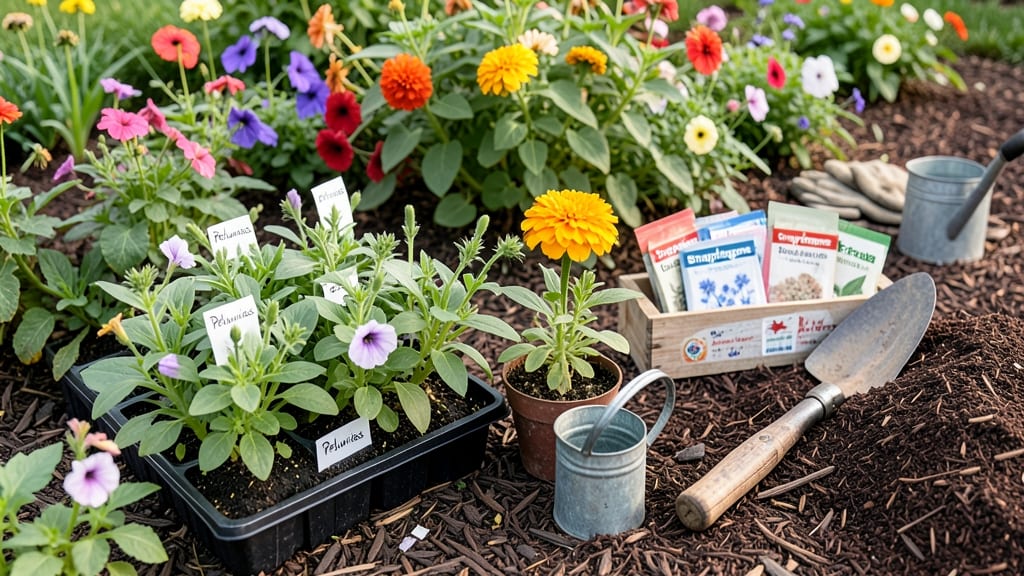
Planting flowers in Rhode Island’s Zone 6a means timing is everything—miss the window, and frost or heat can ruin your blooms before they even emerge.
Rhode Island’s unpredictable Zone 6a climate can make planting flowers a guessing game—get the timing wrong, and your blooms may never emerge. But with the right deadlines, you can ensure vibrant gardens from spring to fall, even in coastal areas where frost lingers longer.
For annuals and tender perennials, the April 15–May 15 window is critical—plant too early, and a late frost will kill them. Meanwhile, fall plantings should start by August 1 to give roots time to establish before winter sets in.
In this guide, I’ll break down the exact planting schedule for your favorite flowers, how to adjust for coastal vs. inland microclimates, and the 5 mistakes that wreck gardens every year—so you can finally grow the showstopping blooms you’ve been dreaming of.
Rhode Island flower planting calendar: month-by-month deadlines by flower type
Timing is everything in Rhode Island’s Zone 6b climate, where coastal areas like Newport can experience frost 2-3 weeks later than inland spots near Providence. To maximize blooms, I’ve mapped out month-by-month deadlines for annuals, perennials, and bulbs—accounting for both cool-season and heat-tolerant varieties.
Miss these windows, and your petunias or peonies might never reach their full potential.
Start with cool-season flowers like pansies and snapdragons in early spring, then transition to heat-lovers such as zinnias and marigolds by late May. Fall planting for hardy annuals (like cosmos) can extend your blooms until first frost in mid-October.
Coastal gardeners should wait 10-14 days longer than inland areas for frost-sensitive plants.
Key deadlines to mark on your calendar: - March 1–April 15: Plant cool-season bulbs (tulips, daffodils) and hardy perennials. - April 15–May 15: Transition to warm-season annuals after last frost. - August 1–September 15: Sow fall-blooming varieties for late-season color.
For cool-season flowers, like pansies and sweet alyssum, I start seeds indoors in late February to give them a head start. These varieties can handle light frosts and often bloom earlier than warm-season plants.
In my coastal garden in Newport, I’ve found that waiting until May 1 for marigolds and zinnias prevents frost damage.
Perennials like black-eyed Susans and coneflowers are more forgiving and can be planted throughout late spring (until June 1). These hardy plants establish roots quickly and rebound from late spring frosts.
I’ve noticed they thrive in partial shade along Rhode Island’s rocky shores, where full sun can be too intense.
When planting heat-tolerant annuals like portulaca or lantana, I prioritize well-draining soil to prevent root rot during Rhode Island’s humid summers. These varieties should go in after Memorial Day (late May) to avoid late spring frosts, which can be unpredictable near the coast.
Inland areas can plant 1 week earlier.
Don’t overlook fall planting for annuals like cosmos and snapdragons. These fast-growing varieties can bloom until first frost in October if planted by
How to adjust planting times for coastal vs. inland Rhode Island microclimates
Rhode Island’s coastal areas—like Newport and Narragansett—experience later last frosts (often May 1–15) due to the Narragansett Bay’s moderating effects. Meanwhile, inland zones like Providence and Woonsocket can see frost as early as April 20, giving gardeners just 10–14 days less growing time.
These microclimate differences mean the wrong planting timing could spell disaster for your annuals and tender perennials.
For coastal gardeners, wait until May 15 to plant frost-sensitive flowers like petunias or geraniums, while inland gardeners can start April 25–May 1. The 1–3 week delay for coastal areas isn’t just about frost—it’s also about soil warming.
Sandy coastal soils heat up slower, delaying germination for cool-season crops like pansies or snapdragons.
| Factor | Coastal (Newport) | Inland (Providence) | Adjustment Tip |
|---|---|---|---|
| Last Frost Date | May 1–15 | April 20–May 1 | Wait 1–2 weeks longer for frost-sensitive plants. |
| Soil Warmth | Slower to warm (sandy) | Warms faster (loamy) | Use black plastic mulch to speed up warming in coastal areas. |
| Wind Exposure | Higher (coastal winds) | Moderate | Plant windbreaks (e.g., lavender or rosemary) to protect delicate stems. |
| Season Extension Tool | Row covers (essential) | Cold frames (optional) | Coastal gardeners: Use floating row covers until June 1. Inland: Cold frames extend fall planting to October 1. |
| Best Early Bloomers | Pansies, Sweet Alyssum | Calendula, Nasturtiums | Coastal: Start seeds indoors March 15. Inland: Direct sow April 1. |
To extend your coastal growing season, I swear by floating row covers—they add 4–6°F protection and let light through for photosynthesis. For inland gardeners, cold frames are a game-changer: they can push fall plantings into early October for hardy chrysanthemums or kale flowers.
Just remember, coastal soils stay damp longer, so amend with compost to improve drainage for water-sensitive flowers like orchids or carnations.
For heat-loving annuals like zinnias or marigolds, coastal gardeners can plant June 15–July 1 without fear of frost. Inland areas? You’ve got until July 10.
The key is monitoring 7-day forecasts—if a 50°F night is predicted, cover tender plants or delay sowing marigold seeds until after the heatwave.
Pro tip: Use hardy perennials like coneflowers or black-eyed Susans as your anchor plants. They thrive in both microclimates and provide year-round structure, while you experiment with seasonal annuals.
My Providence garden blooms 3 weeks earlier than my Newport plot, but with the right adjustments, both thrive side by side.
Don’t let Rhode Island’s microclimates fool you—with these tweaks, you’ll have longer blooms and healthier plants, no matter where you garden. Start small, test a few adjustments, and soon you’ll master the art of timing your Rhode Island flower garden like a pro. 🌸