
Companion Plants
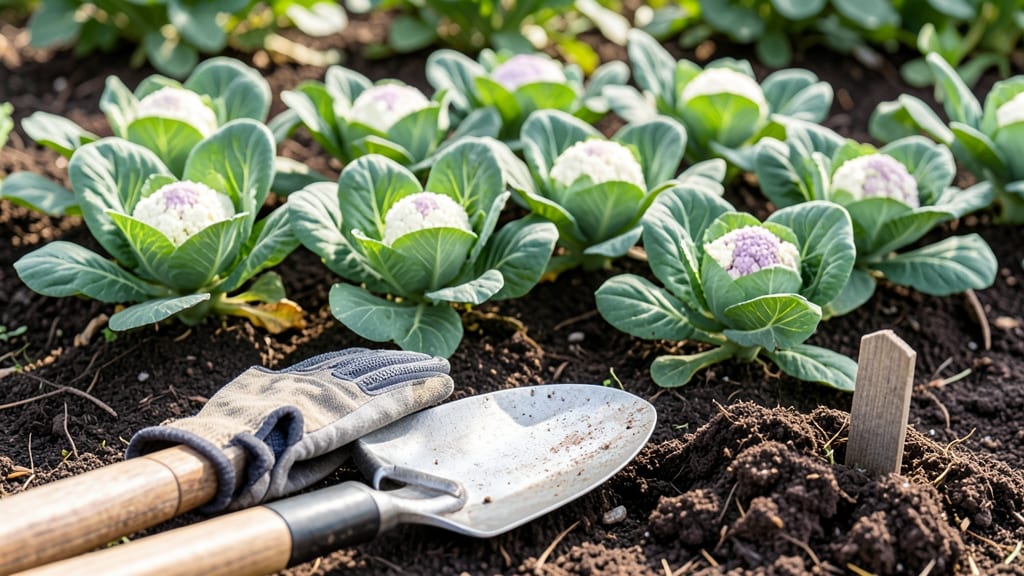
To plant cauliflower in Pennsylvania at the right time means beating frost and avoiding summer’s heat — a narrow window that separates a bountiful harvest from a wasted season.
Pennsylvania gardeners know timing is everything—plant too early, and frost ruins your crop; too late, and summer heat stunts growth. Mastering the perfect window ensures heads as large as your expectations (and your dinner plate).
Spring is your best bet, with soil temperatures and frost dates aligning perfectly for 60- to 90-day varieties. But in warmer zones like southern PA, a fall planting can work if you choose heat-tolerant types and start early enough to finish before the first frost.
Below, I’ll break down the exact frost-date math by zone, soil prep secrets, and how to stretch your season with row covers and succession planting—so you can enjoy crisp, homegrown cauliflower 🌱 from summer through fall.
Pennsylvania cauliflower planting calendar by hardiness Zone
Cauliflower thrives in Pennsylvania's cool seasons, but timing varies drastically across USDA Zones 5a–7a. Northern areas like Erie (Zone 5a) face earlier frosts than Philadelphia (Zone 7a), where summer heat can stress plants.
Understanding your last frost dates and soil temperature thresholds is key to avoiding bolted plants or frost damage.
Most Pennsylvania gardeners focus on spring and fall plantings, but Zone 7 gardeners can experiment with heat-tolerant varieties like 'Cheddar' or 'Early Snowball' for summer harvests. The trick? Start seeds indoors 6–8 weeks before your average last frost—typically mid-March to early April for most regions.
Here’s your zone-specific planting guide, including transplant windows, soil temperature needs, and regional microclimate tips for Pittsburgh, Philadelphia, and beyond.
For Zone 7 gardeners, summer planting is possible but risky. Start seeds indoors by May 1 and transplant by June 1 to beat the July–August heat.
Use shade cloth and daily watering to prevent bolting. In Zone 5a–6a, focus on fall plantings—seedlings thrive when daytime temps drop below 75°F.
Soil temperature is non-negotiable. Cauliflower roots struggle below 45°F, and transplant shock spikes when soil is too cold. Use a soil thermometer to confirm 50°F+ before planting. In clay-heavy soils (common in PA), mix in compost to improve drainage and heat retention.
Microclimates matter! Urban areas like Philadelphia experience heat islands, while Pittsburgh’s hills create cooler pockets. If you’re near a lake or river, expect 2–3°F cooler temps—ideal for late-summer plantings. Conversely, south-facing slopes warm up faster, making them perfect for early
How to extend your cauliflower season in PA’s unpredictable climate
Pennsylvania’s unpredictable spring frosts and sweltering summer heat can sabotage cauliflower crops if you’re not prepared. The key to success lies in strategic planning—using season-extending tools and smart variety choices to push your harvest window.
With the right tactics, you can enjoy homegrown cauliflower from early summer through crisp fall days.
One of my favorite tricks is layering protective coverings like floating row covers or cold frames to shield tender plants. These simple tools create microclimates that shield cauliflower from late frosts in spring or sudden chills in fall.
Pair them with heat-tolerant varieties, and you’ll have a crop that thrives when others fail.
Succession planting is another game-changer for PA gardeners. Instead of betting everything on one planting, stagger your sowing every 2-3 weeks from mid-April through early June. This ensures a continuous harvest and reduces the risk of losing your entire crop to a single heatwave or frost.
- 1 Start with cold-hardy varieties like 'Snowball Y Improved' for early plantings (USDA Zones 4-6). These tolerate 28°F temperatures and head up reliably in cooler conditions.
- 2 Use row covers (like Agribon) for 2-3 weeks after transplanting to protect from late frosts (32°F threshold). Remove during the day when temps rise above 50°F.
- 3 Opt for heat-tolerant varieties like 'Cheddar' or 'Graffiti' for late summer plantings. These handle 85°F+ temps better than standard varieties and prevent bolting.
- 4 Plant succession crops every 2 weeks from May to July. This spreads out harvest times and ensures you’re not left with a glut or a shortage at once.
- 5 Try cold frames for fall extensions. A simple DIY frame with clear plastic or glass can add 4-6 weeks to your harvest by trapping heat and shielding from early frosts.
For late-spring plantings, always conduct a quick risk assessment before committing. Check your local frost-free date (typically May 15 in most of PA) and count backward from your variety’s maturity date.
If you’re planting 'Snowball Y Improved' (75 days to harvest), aim for a July 30 transplant to avoid summer bolting.
In Zone 7 areas like Harrisburg, where summer heat is intense, focus on shade cloth during peak afternoons (12-4 PM) to protect plants. A 30% shade cloth reduces soil temperatures by 10-15°F, making a huge difference for heat-sensitive varieties.
Pair this with daily watering to keep soil consistently moist—cauliflower hates drying out.
Remember, the goal isn’t just to extend your season—it’s to optimize it. By combining the right varieties, protective tools, and planting strategies, you’ll turn PA’s climate challenges into opportunities for a longer, more reliable harvest.
Start small with one or two tactics, then build your system as you gain confidence.