Plants
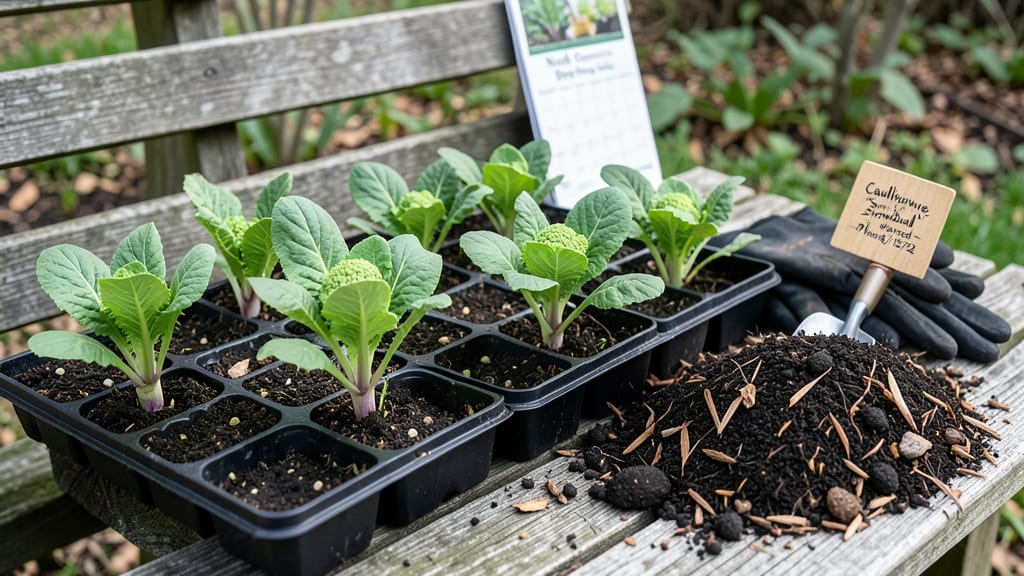
Planting cauliflower in North Carolina requires precise timing to avoid frost or heat stress, with the ideal window depending on your USDA zone and variety.
North Carolina’s diverse climate zones mean your cauliflower’s success hinges on precise timing—plant too early and face frost, too late and miss the harvest window. Here’s how to pinpoint the exact weeks to sow or transplant for bumper crops in every NC region.
For most of the state, spring planting should begin 4-6 weeks before the last frost date, typically between late February and early April, while fall crops thrive when seeded in late summer for an autumn harvest.
Coastal areas can start slightly earlier, while mountain regions may need to delay until after mid-April.
Below, I’ll break down the best planting windows by microclimate, frost dates, and variety types—plus soil prep tips to ensure your 🌱 cauliflower thrives from seed to harvest.
NC cauliflower planting calendar by microclimate and frost dates
North Carolina’s five distinct climate zones create wildly different growing conditions for cauliflower. Coastal areas like Wilmington enjoy longer frost-free seasons, while mountain regions like Asheville face earlier freezes.
To maximize your harvest, timing is everything—plant too soon and frost will kill seedlings, too late and summer heat will cause bolting. Here’s how to align your planting with NC’s USDA zones 7b-8a and regional frost dates.
First, identify your microclimate zone—Coastal Plain, Piedmont, or Mountains—each with unique last frost dates. Coastal NC typically sees its final frost by mid-March, while mountain regions can experience frost as late as mid-April.
Piedmont areas fall somewhere in between. Using these dates as your guide, you’ll know exactly when to start seeds indoors or transplant seedlings outdoors for a successful harvest.
For spring planting, aim to transplant cauliflower seedlings 2-3 weeks before your last frost date. This gives plants time to establish roots before summer heat arrives. In fall planting, start seeds 8-10 weeks before your first frost date to ensure heads mature before cold sets in.
Southern NC gardeners can push the envelope with heat-tolerant varieties like ‘Cheddar’ or ‘Violet Queen’ to extend the growing season.
Here’s your NC cauliflower planting calendar broken down by region, including ideal transplant windows and frost-free periods:
| Region | USDA Zone | Avg. Last Frost | Spring Transplant Window | Fall Planting Start | Heat-Tolerant Varieties |
|---|---|---|---|---|---|
| Coastal (e.g., Wilmington) | 8a | Mid-March | Late February - Early April | Late July - Early August | Cheddar, Romanesco |
| Piedmont (e.g., Raleigh) | 7b | Late March | Early March - Mid-April | Early August - Mid-August | Snowball Y, Purple of Sicily |
| Mountains (e.g., Asheville) | 6b | Mid-April | Late March - Early May | Mid-August - Late August | Early White, Snowball |
In Coastal NC, where summers are long and humid, focus on early spring and late summer plantings. Varieties like ‘Cheddar’ thrive in the heat, while ‘Romanesco’ adds visual interest to your garden.
For Piedmont regions, balance spring and fall plantings to avoid summer bolting. Mountain gardeners should prioritize early varieties like ‘Snowball Y’ to ensure harvests before the first frost.
Pro tip: Use row covers or cold frames to extend your growing season by 2-3 weeks in spring or fall. This is especially useful in USDA zone 6b mountain areas where frost dates are unpredictable.
For example, if you’re in Asheville and want a fall harvest, start seeds in mid-August and protect young plants with a lightweight cover until they’re established.
Soil temperature is just as critical as air temperature. Cauliflower seeds need soil that’s at least 40°F (4°C) to germinate, but seedlings thrive when soil reaches 60°F (15°C).
In cooler mountain regions, wait until soil warms to this temperature before transplanting. Use a soil thermometer to monitor conditions—this small tool can save you from failed plantings.
Don’t overlook fall planting, which often yields the most flavorful heads. In Southern NC (Coastal Plain), you can even squeeze in a second fall crop by starting seeds in early September.
Just be prepared to use shade cloth during peak summer heat to prevent bolting. For mountain regions, stick to one fall planting in mid-August to avoid frost damage.
Remember, these are average dates—always monitor your local weather forecasts and adjust accordingly. A sudden cold snap in April or an early heatwave in May can throw off your planting schedule.
When in doubt, err on the side of later plantings for spring and earlier starts for fall to account for variability in NC’s climate.
With this calendar as your guide, you’ll know exactly when to plant cauliflower in NC—whether you’re a coastal gardener with a long season or a mountain grower working with shorter windows. Happy planting! 🌱
How to adjust planting time for early vs late varieties in NC
Choosing the right cauliflower variety for North Carolina’s climate means balancing maturity times with your region’s last frost dates. Early varieties like ‘Snowball Y Improved’ (50-70 days) thrive in cooler spring conditions, while heat-tolerant types like ‘Cheddar’ (80-90 days) handle Southern NC’s summer heat better.
Your planting window shifts dramatically based on these factors.
For spring planting, aim to transplant 4-6 weeks before your last frost date. In USDA Zone 7b (Piedmont), that’s typically mid-March to early April for early varieties. Late varieties need a longer growing season, so transplant them 2-3 weeks earlier to avoid summer bolting from heat stress.
North Carolina’s soil temperature is critical—cauliflower roots struggle below 45°F or above 80°F. Use a soil thermometer to confirm readiness. In Coastal NC (Zone 8a), where summers are hotter, prioritize shade cloth for late varieties to prevent bolting.
For Mountain regions (Zone 6b), focus on early varieties with row covers for frost protection.
Extend your harvest window by using row covers in spring or cold frames in fall. For late varieties, start seeds indoors 6-8 weeks before transplanting to give them a head start.
In Southern NC, where summers are long, succession plant every 2 weeks from April to July for continuous harvests.
Proper spacing prevents disease and improves air circulation. Early varieties need 18-24 inches apart, while late varieties require 30-36 inches to support their larger heads. Amend your soil with compost and aged manure to ensure rich, fertile conditions—cauliflower is a heavy feeder and needs consistent nutrients.
Monitor your plants for heat stress signs like yellowing leaves or premature bolting. If temperatures exceed 85°F for more than 3 days, provide afternoon shade and increase watering frequency. With the right variety and timing, you’ll enjoy homegrown cauliflower from early summer through fall in North Carolina’s diverse climate.