
Plants
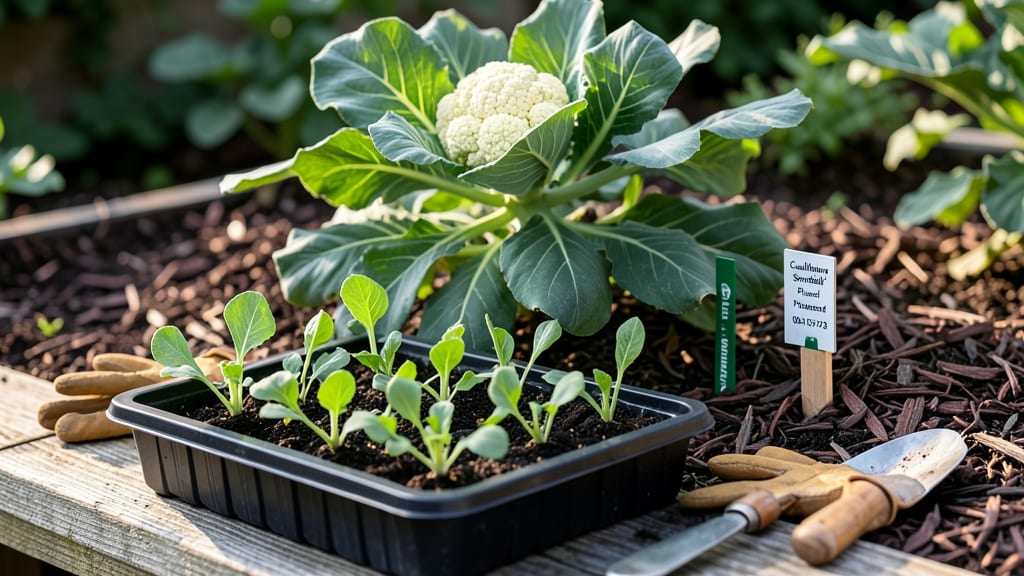
Planting cauliflower in Missouri at the right time means the difference between a bountiful harvest and a sad, bolted mess.
Missouri gardeners know timing is everything—and getting cauliflower 🥬 planting wrong can mean bitter disappointment instead of crisp, flavorful heads. But with the right frost-date strategy for Zones 5b-6a, you can master the perfect window to grow this cool-season favorite.
Spring plantings go in the ground 4-6 weeks before your last frost, typically mid-March to early April, while fall crops need to hit the soil by late July for a late-October harvest.
Miss those windows, and you’ll either fry your seedlings in summer heat or watch them freeze before maturity.
Below, I break down the exact frost-date math for your Missouri microclimate, how to adjust for late frosts or heatwaves, and the one transplant trick that saves 30% of your crop from bolting.
Missouri cauliflower planting dates by frost Zone 5b-6a (with exact months)
Cauliflower thrives in Missouri’s cool-season windows, but planting too early or late can ruin your harvest. In Zones 5b-6a, timing depends on whether you’re sowing for spring or fall crops, with frost dates acting as your guide.
The key? Plant 4-6 weeks before last frost for spring and 100-130 days before first frost for fall.
Missouri’s last frost dates vary by region—typically late March to early May—while first frosts arrive late October to early December. Microclimates near rivers or hills may shift these dates by 1-2 weeks, so always check local records.
For example, St. Louis (Zone 6a) averages April 15 for last frost, while Columbia (Zone 6b) might see it 2 weeks earlier.
Use this summary table to pinpoint your exact planting window, whether you’re direct sowing seeds or transplanting seedlings. Adjust for your specific microclimate—urban areas often warm faster than rural spots.
| Season | Zone 5b (e.g., Kirksville) | Zone 6a (e.g., St. Louis) | Zone 6b (e.g., Columbia) |
|---|---|---|---|
| Spring Planting Window | Mid-March to early April | Late March to mid-April | Early March to late April |
| Last Frost Date | April 20 | April 15 | April 5 |
| Ideal Planting Time | March 15–April 1 (4-6 weeks before frost) | March 1–March 25 | February 15–March 10 |
| Fall Planting Window | Late July to early August | Early July to mid-August | Mid-June to late July |
| First Frost Date | October 25 | October 15 | October 5 |
| Ideal Planting Time | July 1–July 15 (100-130 days before frost) | June 20–July 10 | June 5–June 20 |
| Notes | Use row covers for late springs | Transplants preferred over direct sow | Start seeds indoors for early fall |
For spring planting, Missouri gardeners often start with transplants in early March, hardening them off before the last frost date. If you’re direct sowing, wait until soil temps hit 45°F (mid-March in Zone 5b).
In Zone 6a-6b, you can push planting to late April for a summer harvest, but expect smaller heads if heat arrives early.
Fall planting is trickier—late July to early August is your sweet spot. Seedlings need 100-130 frost-free days to mature, so planting too late risks bolting (premature flowering).
In Zone 6b, you can extend this to mid-August for a late-October harvest, but use heat-tolerant varieties like ‘Purple of Sicily’ or ‘Snowball Y Improved’. Always check the Missouri Botanical Garden’s frost maps for your exact location.
Pro tip: If your last frost date arrives late (like in 2021’s April 25 frost
How to adjust cauliflower planting for Missouri’s unpredictable weather patterns
Missouri’s variable climate throws curveballs at gardeners—late frosts in May and sudden heatwaves in June can derail even the best-laid cauliflower plans. The key? Flexibility. Traditional spring planting (March-April) works for most gardeners, but fall planting (July-August) often yields sweeter heads when summer heat subsides.
I’ve learned the hard way that rigid schedules fail here—your strategy must adapt to microclimates and unpredictable rainfall.
Start by selecting heat-tolerant varieties like ‘Snowball Y Improved’ or ‘Purple of Sicily’—these handle Missouri’s 90°F+ spikes better than standard types. Pair them with succession planting: stagger seeds every 2 weeks in spring to ensure a continuous harvest before summer’s intensity peaks.
In my Zone 5b garden, this means planting the first batch in mid-March and the last in early April—spreading risk across 3-4 plantings.
Traditional vs. Extended-Season Planting in Missouri
| Method | Planting Window | Pros | Cons |
|---|---|---|---|
| Traditional Spring | Mid-March to early April | Early harvests; avoids summer heat | Risk of late frosts; limited fall harvest |
| Extended-Season Fall | Late July to early August | Cooler temps; sweeter heads; longer harvest | Requires row covers; shorter daylight |
| Succession Planting | Every 2 weeks (spring/fall) | Spreads risk; continuous harvest | More labor-intensive; space management |
*For Zone 5b-6a. Adjust dates 1-2 weeks earlier for Zone 6a.
Row covers are my secret weapon against Missouri’s unpredictable late frosts. Use floating row covers to protect seedlings in Zone 5b until soil warms consistently above 45°F. I’ve saved entire plantings by covering young plants during April temperature swings—even a 28°F dip can kill tender seedlings.
For fall planting, extend the season by 3-4 weeks with lightweight fabric until first frost.
Heatwaves force cauliflower to bolt prematurely, ruining heads. To combat this, I mulch heavily with straw or shredded leaves to keep roots cool and retain moisture. Drip irrigation delivers water directly to roots, avoiding leaf wetting that fuels fungal diseases like downy mildew.
My shade cloth (30-50%) over plants during 95°F+ days has cut bolting by 70%—worth the investment for Missouri’s summer intensity.
Missouri’s variable rainfall demands vigilance. Cauliflower needs 1-1.5 inches of water weekly, but heavy downpours can drown roots. I install French drains in low spots and monitor soil moisture with a moisture meter.
During drought years, I prioritize watering at soil level rather than overhead to prevent leaf diseases. A rain gauge helps track deficits—critical when summer storms skip my garden.
For Zone 6a gardeners, push fall planting to early August for a November harvest before hard frosts. Use cold-hardy varieties like ‘Snowball 80’ and plant deeper (cover crowns with 1 inch of soil) to protect against early October chills.
I’ve harvested crisp heads in late November using this method—proof that Missouri’s unpredictable weather can still yield rewards with the right adjustments.