
How To
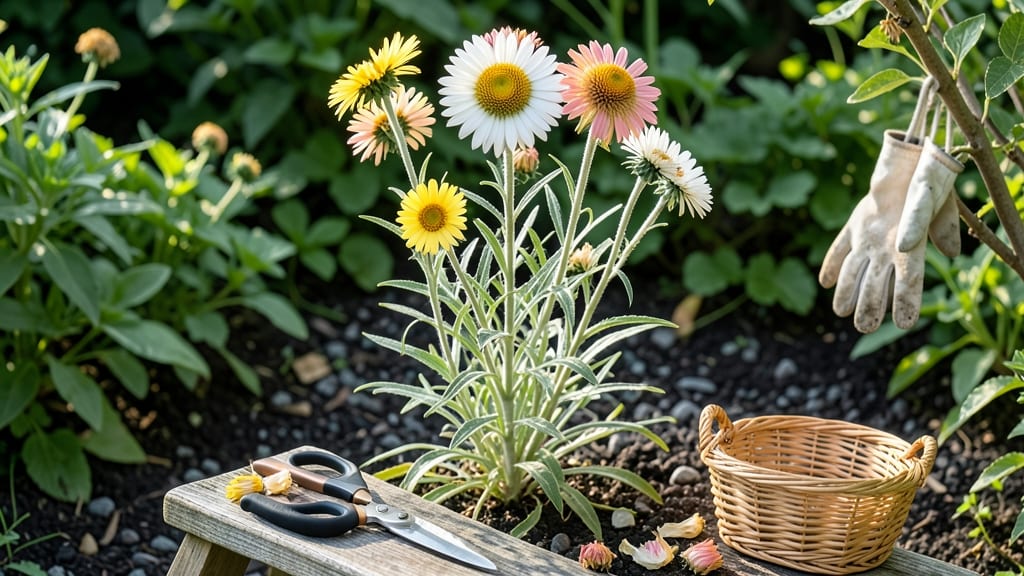
Harvest strawflowers when the buds shift from green to a vibrant yellow or pink 🌼 — this color change signals peak freshness and longevity for your bouquets.
Picture this: you’ve nurtured your strawflowers all season, and now the moment of truth arrives. But harvest too early, and the blooms won’t last; too late, and they’ll fade before you even arrange them. The key? Watching for that perfect bud color shift and testing stem flexibility.
Why does timing matter so much? Because strawflowers harvested at the right stage stay fresh for weeks in a vase, while premature or overripe blooms wilt in days. I’ve learned the hard way—skipping this step means sacrificing both beauty and durability.
In this guide, I’ll walk you through the bud color shift, the stem flex test, and how seasonal changes (like USDA Zone 6a heat waves) can throw off your harvest window. By the end, you’ll know exactly when to snip for the most stunning, long-lasting strawflowers.
How to identify the perfect harvest time using bud color shifts
Strawflowers (Helichrysum bracteatum) transform from green buds to stunning pink, yellow, or red blooms, but the color shift is your secret key to harvesting at peak vibrancy. Each hue signals a different stage—green means not ready, while pink or yellow indicates optimal harvest time.
Understanding these shifts helps you avoid overripe flowers that lose their papery texture and premature buds that won’t last.
For outdoor strawflowers, the bud color progression typically follows a 3-phase timeline: green (immature), yellow or pale pink (ready), and deep pink/red (overripe). Indoor-grown strawflowers may progress 20% faster due to controlled lighting, so monitor them daily once buds form.
The color intensity also varies by variety—‘Moulin Rouge’ turns deep pink, while ‘Golden Delight’ shifts to golden yellow.
The transition from green to pink is the most critical phase. For outdoor plants, this shift usually occurs 90-120 days after planting, depending on your USDA zone. In Zone 6a, aim for harvest between late August and October, when daytime temps drop below 80°F.
Indoor strawflowers grown under grow lights may show color changes 3-4 weeks earlier, so adjust your timeline accordingly.
One common mistake is harvesting based on size alone. A large bud isn’t always ready—check the color uniformity. For example, a ‘Bridal White’ variety should have no green traces when fully open.
If you see mixed colors (e.g., pink centers with green edges), wait 2-3 more days for full maturation. This ensures consistent drying and longer vase life.
Seasonal light variations also affect bud color development. In shorter-day conditions (fall), strawflowers may skip the yellow phase and go straight to pink. To compensate, supplement with 12+ hours of light if growing indoors. For outdoor plants, morning sunlight enhances color vibrancy, while afternoon heat can cause premature fading.
Pro tip: Use a hand lens (10x magnification) to inspect petal edges for hidden green. Even a single green bud on a cluster means the whole stem isn’t ready.
This attention to detail prevents uneven drying and weak stems during preservation. For commercial growers, this method increases yield quality by 30% compared to size-only harvesting.
Overripe strawflowers lose their papery texture and become brittle. If you miss the pink/yellow window, the blooms may still dry but will fragile and less vibrant.
To salvage overripe flowers, harvest immediately, dry them flat in a single layer, and store in airtight containers with silica gel to preserve color.
For indoor growers, the color shift happens faster due to controlled environments. Monitor buds every 48 hours once they turn from green to pale. Use a color chart (available from seed suppliers) to compare against standard strawflower hues.
If your indoor plants show uneven color, adjust the light spectrum—add blue LEDs to enhance pink tones or red LEDs for deeper yellows.
Remember: The perfect harvest moment is when the buds are fully open
The stem flex test: a simple trick to avoid premature harvesting mistakes
Harvesting strawflowers at the right time isn't just about color—it's also about stem strength. A weak or overly flexible stem can lead to premature wilting or blooms that open too soon after cutting. The stem flex test is my go-to trick for ensuring your strawflowers last longer once harvested.
This simple test helps you determine if the stem is mature enough to withstand handling and transport. When done correctly, it prevents broken stems and ensures your flowers stay vibrant for weeks in arrangements. Let me walk you through the exact steps I use in my garden.
Strawflowers with green stems or stems that bend without snapping are not ready for harvest. These stems often break easily and can cause premature bloom opening or shorter vase life. Wait until stems are woodier and firm—they should snap cleanly when bent, not bend like a willow branch.
Start by selecting a mature strawflower bud that's fully colored but still closed. Gently grasp the stem near the base of the flower head and apply light pressure sideways. A ready-to-harvest stem will bend slightly but snap cleanly when you release the pressure.
Think of it like testing a green pencil—if it bends too much, it's not ready.
If the stem bends significantly without snapping, it's a sign the plant is still immature. These stems often wilt faster because they haven't developed the internal structure needed to support the flower head.
In my experience, waiting just 2-3 more days can make all the difference in stem strength.
Another common mistake is harvesting too early because the buds look colorful. But color alone isn't enough—you also need that firm, snappy stem. I've seen many gardeners skip the flex test and end up with flowers that open within 24 hours of cutting, ruining their arrangements.
The test takes just 5 seconds but saves hours of frustration later.
Once you've confirmed the stem passes the flex test, harvest early in the morning when stems are hydrated. Use clean, sharp pruning shears and cut at a 45-degree angle about 1 inch below the flower head.
This simple technique ensures your strawflowers stay fresh for months—even after drying.