
Flowers
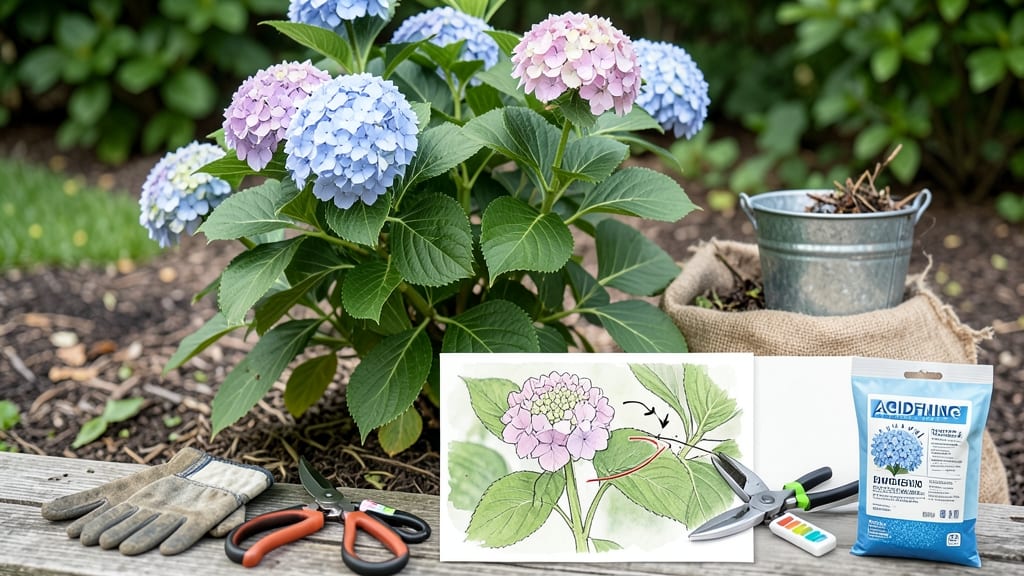
Cutting hydrangea flowers at the right time ensures next year’s best display—but the timing depends entirely on your plant type, and pruning too early or too late can backfire.
Struggling to decide when to trim your hydrangeas without sacrificing next year’s stunning blooms? The timing depends entirely on your plant type—and getting it wrong could mean fewer flowers or even dead branches.
Mophead and lacecap hydrangeas, for example, bloom on old wood, so pruning in late winter or early spring risks cutting off next year’s buds. Meanwhile, panicle and oakleaf types thrive when pruned right after flowering.
Below, I’ll break down the exact seasonal cues for each type, plus how to shape your shrub for maximum blooms without overdoing it.
Best hydrangea pruning times by bloom type (old vs new wood)
Hydrangeas are divided into two main bloom categories: those that flower on old wood (last year’s growth) and those that bloom on new wood (current year’s growth). Getting the timing wrong can mean no flowers next season—or worse, dead branches.
The key is knowing your hydrangea type and watching for seasonal cues like bud formation and leaf emergence.
For example, mophead and lacecap hydrangeas (like Hydrangea macrophylla) rely on old wood blooms, so pruning too early removes next year’s flower buds. Meanwhile, panicle and oakleaf hydrangeas (like Hydrangea paniculata and Hydrangea quercifolia) bloom on new wood, making them far more forgiving for late-winter cuts.
Let’s break it down by type.
⚠️ Pro Tip: Always use clean, sharp pruners and disinfect them with rubbing alcohol between cuts to prevent disease spread. Never prune in fall—this invites fungal infections before winter.
If you’re unsure which hydrangea you have, check the stem color and leaf shape. Mophead and lacecap have thick, rounded blooms and leathery leaves, while panicle hydrangeas have cone-shaped flowers and smooth, lighter green leaves. Oakleaf hydrangeas resemble oak tree leaves and often have exfoliating bark.
For old wood bloomers like mophead, prune just after flowering (late summer) to deadhead spent blooms, but never cut back the main stems. This encourages next year’s buds to form. Use hand pruners for precision—never hedge shears, which can damage the flower buds hidden in the stems.
New wood bloomers like panicle hydrangeas are more flexible. You can prune anytime from late winter through early summer, even right after blooming if you want to shape them.
Just avoid cutting into dormant wood before leaf buds swell in early spring. Look for green tips on the stems—this signals it’s safe to prune.
In USDA Zone 5 or colder, delay pruning until after the last frost (typically mid-April). Cold snaps can trick hydrangeas into thinking winter isn’t over, so wait until you see new growth before cutting.
In warmer zones (Zone 8+), you can prune as early as January, but still avoid fall pruning.
One common mistake is pruning too aggressively.
Step-by-step pruning guide: how to cut hydrangeas without killing them
Pruning hydrangeas might seem intimidating, but with the right tools and timing, you can encourage lush growth and stunning blooms. The key is understanding your hydrangea type—whether it blooms on old wood, new wood, or both—since cutting at the wrong time can mean no flowers next season.
I’ve pruned hydrangeas for years, and I’ve learned that sharp pruners and patience are your best friends.
Before you grab your shears, identify your hydrangea type. Mophead and lacecap hydrangeas (Hydrangea macrophylla) bloom on old wood, so prune them in late winter or early spring before buds swell. Panicle and smooth hydrangeas (Hydrangea paniculata and arborescens) bloom on new wood, so wait until late winter or early spring to prune them too—just after the last frost. Oakleaf hydrangeas are a bit more flexible but generally bloom on old wood.
When to Cut Hydrangea Flowers: Step-by-Step
- 1 Wait for dormancy: Prune old wood hydrangeas (mophead, lacecap) in late winter (Jan-Feb) while plants are still dormant. For new wood types (panicle, smooth), prune in late winter/early spring (Feb-Mar).
- 2 Identify dead wood: Look for brown, brittle branches with no green buds. These can be cut back to healthy growth or the base. Healthy wood will have green buds or leaves along the stem.
- 3 Use clean tools: Sterilize your pruners or loppers with rubbing alcohol to prevent disease. Cut at a 45-degree angle just above a leaf node or bud to encourage new growth.
- 4 Shape strategically: For old wood types, prune to 3-5 main stems to improve airflow. For new wood types, cut back 1/3 of the plant to encourage bushier growth. Avoid over-pruning—never remove more than 30% of the plant.
- 5 Deadhead spent blooms: After flowering, remove faded blooms by cutting the stem just above the first set of healthy leaves. This redirects energy to next year’s blooms for old wood types.
One of the most common mistakes I see is pruning old wood hydrangeas too late in spring or summer. If you cut them after buds form, you’ll lose next year’s flowers. For new wood types, avoid pruning in fall—wait until late winter to see where new growth will emerge.
Always step back and visualize the shape before making cuts; hydrangeas respond well to gentle shaping.
After pruning, give your hydrangeas a light fertilizer to encourage new growth. Water deeply to help them recover, especially if you’ve cut back a lot. Mulch around the base to retain moisture and protect roots during the growing season.
With the right timing and care, your hydrangeas will reward you with vibrant blooms for years to come.
Remember, pruning is about balance. If you’re unsure, it’s better to under-prune than overdo it. Hydrangeas are forgiving, but patience and precision will give you the best results. Happy pruning!