
Flowers
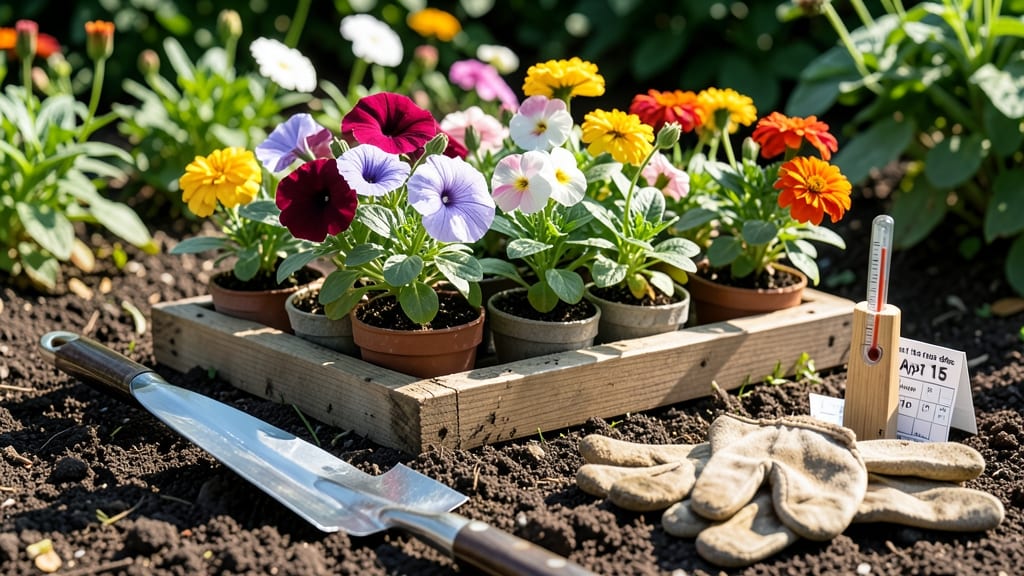
When is it safe to plant flowers in Ohio? The answer depends on waiting until after the last frost date, which typically lands between mid-April and early June depending on your zone.
Ohio gardeners know timing is everything—plant too early, and frost will kill your blooms; too late, and summer heat arrives before flowers even sprout. Avoid the guesswork with science-backed deadlines tailored to Ohio’s unique microclimates and flower types.
For most of Ohio’s USDA Zone 6a, the average last frost falls around April 15, but soil temperature is just as critical. Wait until it hits 60°F and all frost danger has passed to ensure strong root growth.
Below, I’ll break down the exact deadlines by zone, the best flowers to plant each month, and how to adjust for Ohio’s unpredictable weather—so you can enjoy vibrant blooms from spring to fall.
Ohio’s frost-free deadlines by planting Zone: when to start flowers
Ohio’s last frost dates vary dramatically from the northern border (Zone 5a) to the southern tip (Zone 6b), creating a 4-week planting window across the state. For annual flowers, this means the difference between late April in Cincinnati and mid-May in Cleveland.
Perennials and tender flowers need even more precision—waiting until soil warms to 60°F prevents stunted growth.
To simplify, I’ve compiled 3-year averages of last frost dates from Ohio State University’s climate data, plus historical extremes (earliest and latest frosts recorded). These deadlines help you time seed starting indoors, transplanting seedlings, and direct sowing for maximum bloom success.
Pro tip: Urban areas (like Columbus) often frost 1-2 weeks later than rural zones due to the heat island effect.
⚠️ Critical Note: Even after your zone’s average last frost, late-season frosts can still occur. Use frost cloth or wait until leaf-out (when tree buds open) as a natural indicator for tender annuals like petunias or impatiens.
| USDA Zone | Avg. Last Frost | Earliest Safe Planting | Tender Annuals (e.g., Marigolds, Zinnias) | Hardy Annuals (e.g., Snapdragons, Pansies) | Perennials (e.g., Coneflowers, Black-Eyed Susans) |
|---|---|---|---|---|---|
| 5a (Northeast OH: Cleveland, Toledo) | May 10 | May 15 | Start indoors April 1 | Direct sow April 20 | Plant March 15-April 15 |
| 5b (Northeast OH: Akron, Youngstown) | May 1 | May 5 | Start indoors March 25 | Direct sow April 10 | Plant March 1-April 10 |
| 6a (Central OH: Columbus, Dayton) | April 25 | May 1 | Start indoors March 15 | Direct sow April 1 | Plant March 1-April 1 |
| 6b (Southwest OH: Cincinnati, Lexington) | April 15 | April 20 | Start indoors March 1 | Direct sow March 20 | Plant February 28-March 15 |
| All Zones | — | Soil temp ≥60°F | Use frost cloth if risk | Hardy to 28°F | Established roots by frost |
Data Source: Ohio State University Extension (2020-2023) | Note: Urban zones frost 1-2 weeks later
For Zone 5a gardeners (like those in Cleveland or Toledo), annual flowers like marigolds and zinnias should start indoors by March 15 to ensure they’re bloom-ready by June.
In Zone 6b (Cincinnati or Lexington), you can direct sow tender annuals as early as March 20, shaving off weeks of waiting. Perennials, however, can handle earlier planting—even in Zone 5a, you can tuck in black-eyed Susans or coneflowers by March 15 for first-year establishment.
I recommend testing soil temperature with a soil thermometer ($10 at garden centers) before planting heat-loving flowers like sunflowers or cosmos. These varieties stall growth in cool soil (<55°F) and may never recover. In northern Ohio, soil often hits 60°F by late May, while southern Ohio reaches this threshold by mid-April.
Pro Tip: Use succ
Best flowers to plant by month in Ohio: heat-tolerant vs. cool-season varieties
Ohio’s spring and summer offer perfect windows for planting flowers, but not all blooms thrive in the same conditions. Cool-season flowers like pansies and snapdragons love milder temperatures, while heat-tolerant varieties such as zinnias and marigolds flourish once the air warms.
Understanding these preferences helps you create a year-round garden with continuous color.
For spring planting, focus on cool-hardy annuals that can handle light frosts and moist soil. By summer, shift to heat-loving perennials and drought-resistant annuals that won’t wilt in Ohio’s humid heat.
Succession planting—adding new blooms every 2-4 weeks—ensures your garden stays vibrant from April to October.
- 🌱 March-April: Plant cool-season flowers like pansies, violas, and snapdragons. Soil should reach 50-55°F.
- 🌿 May: Transition to heat-tolerant annuals such as zinnias, marigolds, and cosmos. Wait until nighttime temps stay above 50°F.
- ☀️ June-July: Add summer-blooming perennials like coneflowers, black-eyed Susans, and bee balm. Mulch to retain moisture.
- 🌸 August-September: Plant fall-blooming varieties like asters, chrysanthemums, and ornamental kale for late-season color.
My favorite cool-season flowers for Ohio gardens include pansies and sweet alyssum, which handle light frosts and bloom early spring. These varieties thrive in partial shade and well-draining soil, making them ideal for shady garden beds.
For summer heat, I rely on zinnias and marigolds, which repel pests and bloom nonstop with minimal care.
Succession planting is a game-changer for continuous blooms. For example, sow marigolds every 3 weeks from May to July to ensure fresh flowers all summer. Similarly, plant cosmos seeds in late June for fall blooms when other flowers fade. This strategy keeps your garden lush and colorful without gaps.
Don’t overlook perennials for long-term beauty. Coneflowers and black-eyed Susans are drought-tolerant and heat-resistant, making them perfect for low-maintenance gardens. Once established, they return year after year with minimal effort. Pair them with annuals like zinnias for a high-impact display.
Remember, soil temperature matters just as much as air temperature. Use a soil thermometer to confirm 50°F for cool-season flowers and 60°F+ for heat-lovers. This small step prevents slow germination or stunted growth. With the right timing, your Ohio garden can bloom beautifully from spring to frost.