
Flowers
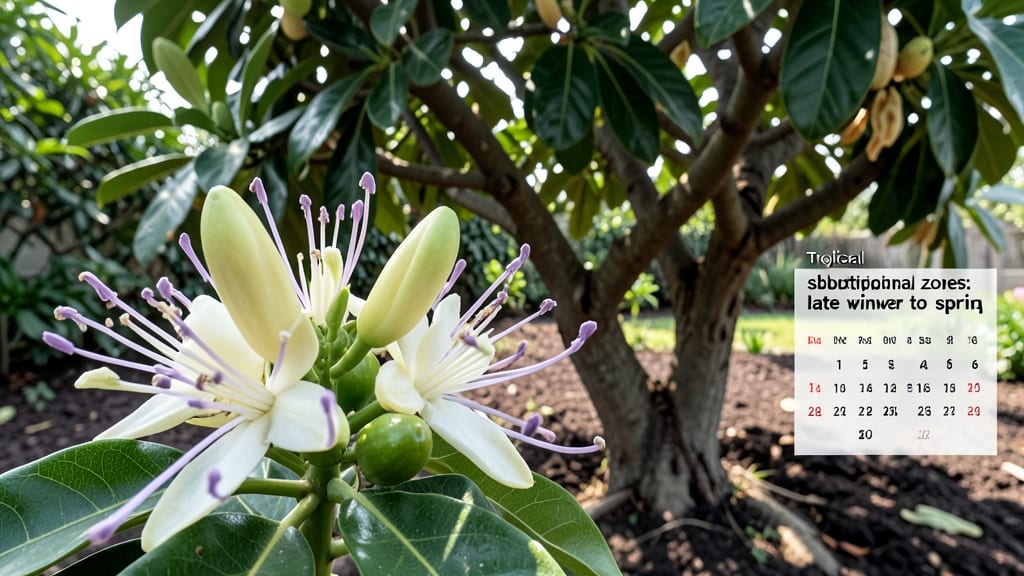
Avocado trees flower when they receive the right temperature cues and daylight balance—typically in late winter or early spring, depending on your climate zone and variety.
If you’ve been waiting for blooms and only gotten leaves, you’re not alone. Many growers miss the narrow window of cool nights and warm days that triggers flowering, or they’re planting the wrong types for their region.
The good news? Understanding your tree’s type and local climate can shift that "never" into a predictable schedule.
In USDA zones 9b-11, where most avocados thrive, Type A (Mexican) varieties often bloom in January-February, while Type B (West Indian) trees wait until April-May.
But a single cold snap can disrupt this rhythm—learning the signs of impending blooms (like bud clusters or leaf color shifts) gives you a head start on care.
Below, I’ll break down the exact flowering windows for your tree’s variety, how to spot the first buds, and what to do to encourage heavy blooms—so you’re not left staring at another year of leafy greenery without fruit.
Avocado flowering seasons by variety: a-z guide to bloom timing
Avocado trees follow a fascinating two-year flowering cycle, with Type A and Type B varieties blooming in alternating years. This system ensures cross-pollination between varieties, but it can confuse gardeners waiting for fruit.
Understanding your tree’s flowering type and seasonal cues is key to predicting blooms—and eventually harvesting those creamy avocado fruits. Let’s break down the exact timing by variety so you can plan accordingly.
First, identify whether your avocado tree is a Type A (Mexican) or Type B (West Indian) variety. Type A trees bloom in late spring to early summer, while Type B trees flower in fall to early winter.
Hybrids like the popular Hass variety are often Type B, but cross-pollination with a Type A tree can produce fruit even if your tree only blooms once every two years. Knowing your tree’s type helps you set realistic expectations for fruit production.
Here’s your quick-reference guide to avocado flowering seasons by variety, including hybrid exceptions and cross-pollination notes:
If you’re growing multiple avocado trees, pair a Type A with a Type B to ensure cross-pollination and fruit production. For example, planting a Fuerte (Type A) alongside a Hass (Type B) guarantees blooms in alternating years, maximizing your chances of harvest.
Even if your tree only flowers once every two years, having both types in your garden creates a continuous pollination cycle.
Young avocado trees may take 3-5 years to reach maturity and flower. During this time, focus on providing well-draining soil, full sun exposure, and balanced fertilization to encourage healthy growth. Once flowering begins, you’ll notice small, yellow-green buds forming in clusters along the branches.
These buds will open into white or pale pink flowers with a faint, sweet scent—signaling the start of the pollination window.
Temperature plays a crucial role in triggering blooms. Most avocado varieties require a cool winter chill period (though some tropical varieties are chill-sensitive). In USDA Zones 9-11, this often means a brief drop in temperatures to 50-60°F (10-15°C) during late fall or winter.
If you’re in a warmer microclimate, like coastal California, your tree might bloom more sporadically. Pay attention to leaf color changes
Climate zone impact: how temperature affects avocado flowering
Avocado trees thrive in USDA zones 9-11, where warm climates create ideal conditions for flowering. But did you know temperature shifts—especially cold snaps—actually trigger blooms? In tropical climates (like Hawaii or Florida), avocados may flower year-round, but seasonal temperature drops often kickstart the process in subtropical zones.
For example, Type A varieties (like Mexican avocados) often bloom in late winter or early spring after a cool spell, while Type B varieties (West Indian) may respond to mild autumn temperatures. Understanding your local climate patterns is key to predicting when your tree will flower.
In USDA zone 9b (like Southern California), avocados often flower in late winter after temperatures dip below 60°F (15°C) for a few nights. This cold shock signals the tree to produce flowers, which typically appear within 4-6 weeks.
Meanwhile, in zone 10a (like Miami), flowering can occur year-round, but peaks in spring and fall when temperatures stabilize between 70-85°F (21-29°C).
Drought stress can delay or reduce flowering. If your tree experiences water scarcity, it may prioritize survival over reproduction. In tropical climates, consistent moisture is critical—deep watering weekly helps maintain steady flowering cycles.
Always monitor soil moisture with your finger; dry soil triggers stress, while waterlogged roots can suffocate the tree.
For optimal flowering, aim for consistent temperatures between 65-85°F (18-29°C) and full sun exposure. In cooler zones (9b), young trees benefit from light frost cloth during unexpected cold snaps. Prune dead or crowded branches in late winter to improve airflow and encourage healthier blooms.
Pro tip: If your avocado tree isn’t flowering, check for nutrient deficiencies (like zinc or boron) or pests (such as avocado lace bugs). A soil test can reveal imbalances—correcting these often restores flowering within a season.