
Flowers
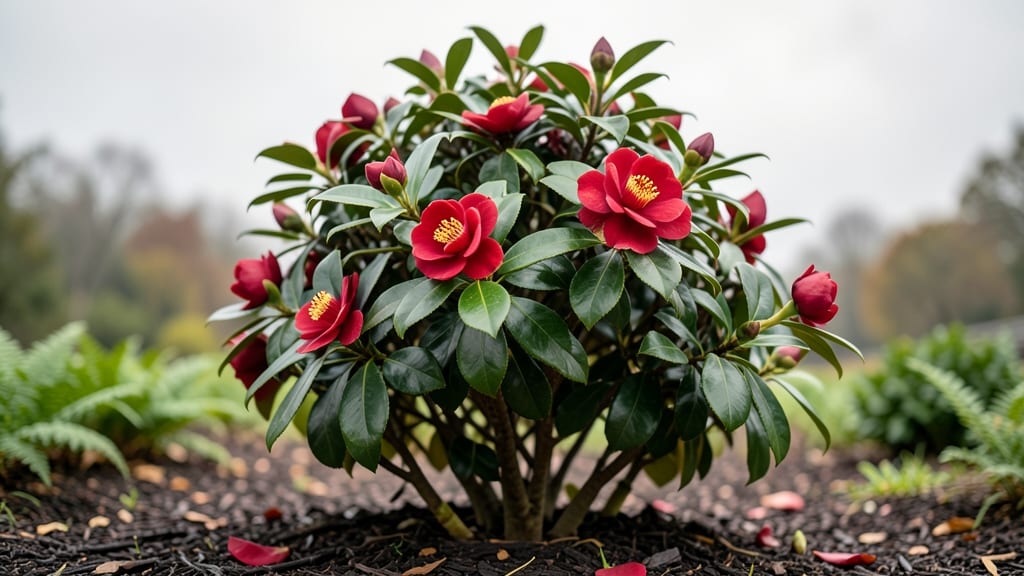
A camellia flowers in late fall to early spring 🌸 — a stunning display that seems to defy the chill, but timing is everything if you want to see those blooms.
If you’ve ever wondered why your camellia blooms seem to vanish overnight—or why some thrive while others struggle—timing is everything. Camellias are finicky about seasons, climate, and even pruning habits, yet mastering their bloom cycle can turn your garden into a year-round floral masterpiece.
In USDA Zone 7a (and similar temperate climates), most camellias burst into color between December and March, but the exact window depends on whether you’ve planted a fall-blooming Camellia sasanqua or a spring-loving Camellia japonica.
A few degrees or a late frost can shift that schedule by weeks, which is why knowing your microclimate matters.
Below, I’ll break down the seasonal triggers that coax blooms, how to adjust for your region, and the simple care tweaks that keep your camellia flowering like clockwork—no guesswork required.
Camellia flowering seasons by USDA Zone: what to expect where you live
Understanding your USDA zone is the first step to predicting when your camellias will bloom. These stunning shrubs thrive in zones 7-10, but their flowering windows vary dramatically based on location.
In warmer zones (9-10), like Southern California or Florida, you might see year-round blooms with staggered varieties, while cooler zones (7-8), like Georgia or North Carolina, typically enjoy late fall to early spring displays.
Most gardeners focus on two main camellia types: Camellia japonica (spring bloomers) and Camellia sasanqua (fall/winter bloomers). The key difference? Japonica varieties often wait until March or April for their grand display, while Sasanqua types burst into color as early as October or November.
Microclimates—like coastal areas with milder winters—can shift these timelines by weeks.
Here’s the critical insight: A camellia in Zone 9 (Miami) might bloom in December through April, while one in Zone 7 (Atlanta) could only flower from February to March. Even within the same zone, elevation and urban heat islands play a role. For example, Southern California’s coastal regions (Zone 10) often see Sasanqua blooms in November, while inland areas (Zone 9) might delay until December.
| USDA Zone | Camellia Type | Bloom Window | Notes |
|---|---|---|---|
| 7a-7b | Camellia japonica | Late Feb–March | Short season; protect from late frosts |
| 7a-7b | Camellia sasanqua | Oct–Nov (brief) | Cold-sensitive; may drop buds in freezes |
| 8a-8b | Camellia japonica | Feb–April | Longer season; partial shade ideal |
| 8a-8b | Camellia sasanqua | Oct–Dec | Coastal areas bloom earlier |
| 9a-9b | Camellia japonica | Jan–March | Year-round potential with staggered planting |
| 9a-9b | Camellia sasanqua | Nov–Jan | Inland areas may delay until Dec |
| 10a-10b | Camellia japonica | Dec–April | Coastal zones (e.g., CA) may bloom year-round |
| 10a-10b | Camellia sasanqua | Oct–Feb | Urban heat islands may extend season |
If you’re in Zone 7 (like Atlanta or Raleigh), focus on hardy sasanqua varieties like ‘Yuletide’ or ‘Bonanza’, which can handle brief cold snaps. These types often bloom in late October or November, offering a festive splash of color before winter.
However, a hard freeze (below 20°F) can damage buds, so monitor your local forecast and consider winter mulch for protection.
In Zone 9 (Houston or Orlando), the bloom season stretches longer. Here, Camellia japonica varieties like ‘Desire’ or ‘Elegans’ might start as early as December and continue through March. The trick? Plant a mix of early, mid, and late-season bloomers to create a continuous
5 Key factors that trigger (or delay) camellia blooms: light, pruning, and more
Camellias are famous for their seasonal blooms, but getting them to flower reliably takes more than just luck. The right light conditions, pruning timing, and soil pH can shift your camellia from a sparse bloomer to a floral showstopper.
I’ve learned the hard way—skipping these details can mean waiting years for those showy blossoms to appear. Let’s break down the critical triggers that make the difference.
First, sunlight exposure is non-negotiable. Camellias crave partial shade—think dappled light through trees—not blazing afternoon sun. Too much direct light can scorch leaves, while too little shade delays bud formation.
In hot climates like USDA Zone 8-9, I’ve seen camellias refuse to bloom until I moved them under a light canopy. The goal? Morning sun + afternoon shade for optimal bud development.
Next, pruning timing is a game-changer. I’ve seen gardeners hack off branches in late winter, only to watch their camellias skip blooming entirely. The rule? Prune immediately after flowering—never in fall or winter. This lets the plant set next year’s buds on old wood.
If you must shape, limit cuts to 1/3 of the branch and avoid heading back (cutting into old wood), as this removes potential flower sites.
Don’t overlook soil acidity, either. Camellias are pH snobs—they demand acidic soil (5.0–6.0). I once had a Camellia japonica with yellow leaves and no blooms until I tested the soil (pH 7.2!).
Adding pine needles or sulfur brought the pH down, and within a year, it was covered in pink blossoms. A simple soil test can save you years of frustration.
Temperature also plays a sneaky role. Buds form in cool fall weather (50–60°F), but sudden warm spells can shock them off. In Zone 7, I’ve seen Camellia sasanqua drop buds after a 70°F day in November.
To protect your blooms, mulch heavily in late fall and avoid winter fertilizing, which can stimulate new growth too early.
Finally, watch your fertilizer habits. I’ve made the mistake of over-feeding in spring, only to end up with a leafy monster and zero flowers. Camellias need balanced fertilizer (8-3-6 NPK), applied once in early spring and lightly in summer.
Skip fall and winter feeding—this is when the plant prepares for dormancy, not growth. A little patience goes a long way!
Master these 5 triggers, and your camellia will reward you with stunning, reliable blooms year after year. Start with light and soil, then refine pruning and feeding—your garden will thank you! 🌸