Flowers
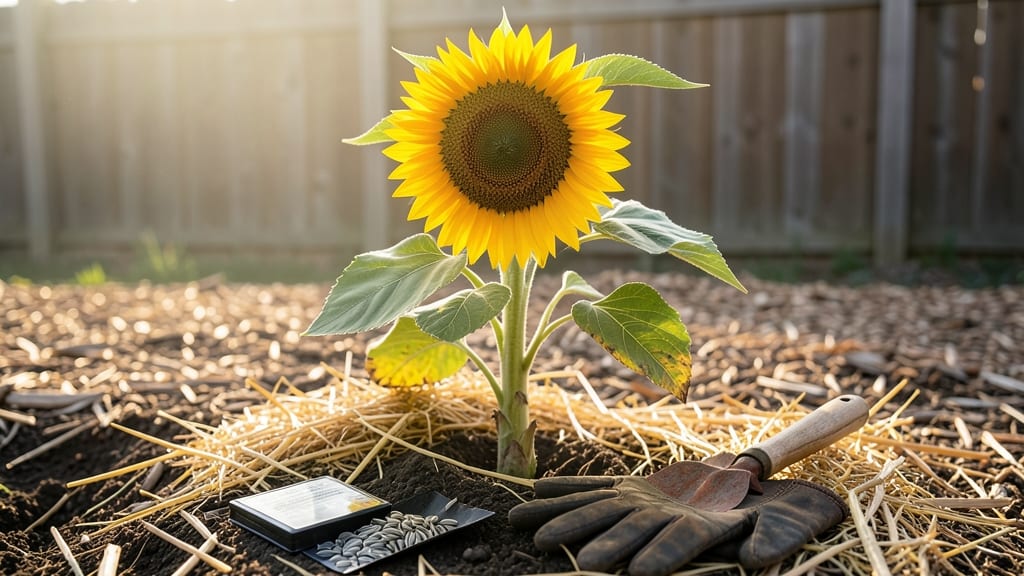
Planting sunflowers in Oklahoma between mid-April and early June ensures they bloom before summer’s heat and avoid late frosts that can stunt their growth.
Picture this: you’ve waited all winter for your 🌻 sunflower seeds to sprout, only to watch them wilt under a surprise frost or bolt too fast in the heat.
The key to avoiding this is knowing your USDA Zone 7b’s frost-free window—and when to adjust for microclimates like Oklahoma City’s urban heat or the Panhandle’s drier winds.
Timing isn’t just about the calendar. Soil temperature, variety choice, and even your garden’s exposure play a role in whether your sunflowers reach their full 10-foot potential.
Below, I’ll break down the exact planting schedule, soil prep secrets, and how to extend the season for a second harvest in late summer.
Ready to grow sunflowers that tower over your fence? Let’s dive into the step-by-step guide that turns Oklahoma’s growing season into your sunflower’s prime time.
Optimal sunflower planting timeline in Oklahoma’s USDA Zone 7b
Oklahoma’s USDA Zone 7b offers a 180-day frost-free season, perfect for sunflowers that love warmth. But timing is everything—plant too early, and frost zaps seedlings; too late, and summer heat stresses young plants.
The sweet spot for sunflower success in Oklahoma starts when soil temps hit 50°F and stays above 60°F consistently.
For direct sowing, aim for mid-April to early June in most of Zone 7b. This window ensures seeds germinate in 5-10 days (at 70°F soil) and mature before Oklahoma’s average first frost in mid-October.
In high-altitude areas (e.g., near Oklahoma City or Norman), push planting to late April to avoid late-spring frosts.
Transplanting sunflower starts is trickier—they hate root disturbance. Only transplant 3-4 week old seedlings if you’re in a short-season area, like the Panhandle, where summers are brutally hot. Use black plastic mulch to warm soil faster and extend the planting window by 1-2 weeks.
Here’s the data-backed timeline for Oklahoma’s Zone 7b, broken down by region and method:
| Region | Last Frost Date | Best Planting Window | Soil Temp Threshold | Method |
|---|---|---|---|---|
| Lowland (e.g., Tulsa, OKC) | Mid-April | Late April–May 15 | 50°F+ (consistent) | Direct sow or transplant |
| High-Altitude (e.g., Norman, Edmond) | Late April | May 1–June 1 | 55°F+ (warmer soil) | Direct sow only |
| Panhandle (e.g., Guymon, Altus) | Early April | April 15–May 10 | 60°F+ (dry heat) | Direct sow + mulch |
| Southeast (e.g., McAlester, Idabel) | Early April | Late March–April 30 | 50°F+ (humid soil) | Direct sow or transplant |
Pro Tip: Use a soil thermometer to confirm temps—sunflowers won’t germinate below 50°F.
If you’re direct sowing, scatter seeds 1 inch deep and 6 inches apart in rows 2 feet apart. For transplants, harden off seedlings for 5-7 days before moving them to the garden.
Oklahoma’s summer heat can cause bolting (premature flowering), so avoid planting after June 1 unless you’re growing short-season varieties like ‘Teddy Bear’.
For fall planting, try late summer sowings (August) in southern Oklahoma—sunflowers can mature in 60-80 days if planted by September 1. Use row covers to protect seedlings from early October frosts.
Just remember: sunflowers need full sun and well-draining soil—Oklahoma’s clay-heavy soils can cause rot, so amend with compost before planting.
Monitor your sunflowers’ growth rate: in Oklahoma’s heat, they can shoot up 2-3 inches per day! Stake tall varieties (like ‘Russian Giant’) early to prevent wind damage—Oklahoma’s spring storms are no joke.
Harvest seeds when the back of the flower head turns yellow and petals wilt, usually 90-120 days after planting.
Missed the spring window? Don’t panic—sunflowers are fast growers. In Zone 7b, you can squeeze in a second planting in early July for late-summer blooms.
Just ensure 60+ days remain before frost. For container growing, use 5-gallon pots and plant 1-2 weeks earlier than in-ground—containers warm up faster.
Final rule: When in doubt, plant early. Oklahoma’s unpredictable weather means a late frost can still hit in May. Start seeds indoors in late March for a head start, or use frost cloth to protect young seedlings.
With the right timing, your sunflowers will reach sky-high glory—and maybe even outshine your neighbors’ gardens! 🌻
How to adjust planting for Oklahoma’s microclimates and common mistakes
Oklahoma’s climate varies dramatically from the Panhandle’s arid plains to the humid eastern forests, creating microclimates that demand tailored sunflower planting strategies. In Oklahoma City (Zone 7b), aim for mid-April to early May sowing, while Tulsa’s slightly warmer microclimate allows planting 2-3 weeks earlier.
Even within cities, urban heat islands can push planting dates 1 week forward compared to rural areas.
Soil preparation is where many gardeners stumble. Oklahoma’s native clay-heavy soils compact easily, choking sunflower roots. Amend with 2-3 inches of compost or aged manure before planting, and mix in coarse sand to improve drainage.
A pH test is critical—sunflowers thrive in 6.0-7.5 pH, and Oklahoma’s alkaline soils often need sulfur amendments to adjust.
⚠️ callout warning ⚠️
🌻 3 Critical Mistakes Killing Your Oklahoma Sunflowers
- Planting too early: Cold soils (below 50°F) cause rot and poor germination. Wait for consistent 60°F+ soil temps.
- Overcrowding seeds: Oklahoma’s heat accelerates growth—spacing 6+ inches apart prevents disease and bolting.
- Ignoring drought stress: Sunflowers wilt fast in Oklahoma’s summer. Mulch with 2-3 inches of straw to retain moisture.
💡 Pro Tip: Use a soil thermometer—Oklahoma’s flash droughts can drop temps 10°F overnight.
Regional adjustments are key: Western Oklahoma’s shorter growing season (90-100 days) favors early-maturing varieties like ‘Teddy Bear’ (50 days), while eastern Oklahoma’s longer heat (120+ days) supports giants like ‘Russian Giant’ (120+ days). For high-altitude areas (e.g., Oklahoma City’s 1,200ft elevation), delay planting 1-2 weeks to avoid late frosts.
Premature bolting—when sunflowers shoot up too fast—is a common trap. This happens when plants sense long daylight hours (Oklahoma’s 14+ hour summer days) as a signal to flower.
To delay bolting, plant in partial shade (e.g., dappled tree cover) during June heatwaves, or choose short-day varieties like ‘Autumn Beauty’ that bloom later.
My Oklahoma sunflower checklist ensures zero-frost success: ☑️ Test soil pH and temperature before planting ☑️ Amend soil with compost and sand ☑️ Plant after last frost date (track via Oklahoma Mesonet) ☑️ Space seeds 6+ inches apart ☑️ Mulch with straw to retain moisture ☑️ Monitor for bolting signs in June ☑️ Water deeply 2x/week during dry spells
With these adjustments, your sunflowers will reach Oklahoma’s full height potential—some varieties even outgrow 12 feet in ideal conditions! The key is respecting local microclimates and avoiding the 3 deadly mistakes above. Happy planting! 🌻