
Blooming
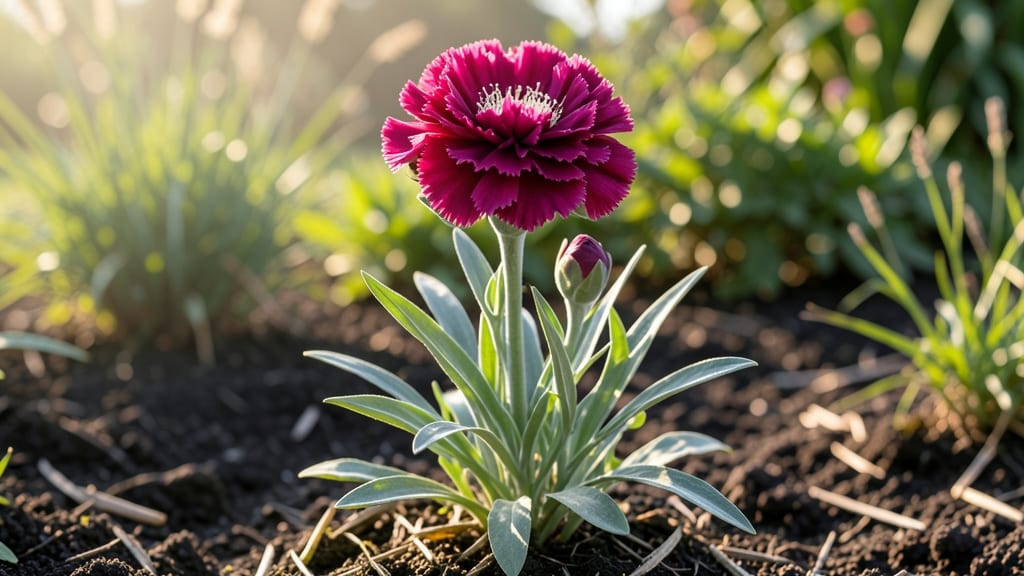
Carnations flower in spring and summer 🌸, but the exact timing depends on your variety and climate zone — a fact that can make the difference between a garden bursting with color or a season of waiting.
Picture this: you’ve planted your spring carnations in March, only to watch them sit tight until June, while your neighbor’s spray varieties bloom in May. That’s the power of timing, and it’s all about knowing which types thrive in your area.
In USDA Zone 6 and cooler regions, most carnations wait for warmer temperatures after the last frost, typically blooming from June through September. But in warmer zones like Florida or California, some varieties stretch their season year-round, giving you flowers almost any month.
Here’s the game-changer: with the right care—like deadheading spent blooms and ensuring full sun—you can coax even earlier or later blooms, turning a 6-month window into nearly year-long color. Ready to unlock the secrets?
Carnation flowering seasons by variety: spring, summer, OR year-round?
Carnations are seasonal superstars, but their blooming windows vary wildly depending on the variety and your climate zone. Some varieties burst into color in spring, while others stretch their show into late fall—and a few even reward you with year-round blooms in warm climates.
Understanding these differences lets you plan your garden for continuous color instead of waiting months for flowers.
Most gardeners focus on spring-planted carnations for summer blooms, but border carnations and spray varieties often defy expectations. For example, perennial carnations (like 'Border' types) may rebloom in fall after a summer rest, while annual carnations (such as 'Spray' or 'Standard') follow a strict spring-to-fall schedule.
Your USDA zone also plays a huge role—tropical climates can enjoy year-round blooms, while Zone 5 gardeners might only see flowers for 3-4 months.
To maximize your carnation blooms, match varieties to your planting timeline. Spring varieties (like 'White Sim') start blooming in May and peak in June-July, while summer varieties (such as 'Chabaud') stretch blooms until September. Border carnations often surprise with fall reblooms if deadheaded properly.
Below, we break down the flowering seasons by popular varieties so you can plan for nonstop color.
If you’re in a temperate climate (like USDA Zones 5-8), focus on spring-planted varieties for summer blooms, then add border carnations for fall color.
For example, 'White Sim' (a standard variety) blooms from June to August, while 'Border Blue' may reward you with September-October blooms if deadheaded regularly. In warmer zones (9-11), spray carnations and tropical varieties can bloom year-round with proper care—just watch for heat stress in summer.
To extend blooms, try successive planting. Start with early varieties (like 'Cinderella') in March, then follow with mid-season types (such as 'William Simpson') in May
This staggered approach ensures flowers from June through October. In containers, you can even move potted carnations to sheltered spots in fall to coax extra blooms before frost. One common mistake is assuming all carnations follow the same schedule. Spray carnations, for instance, are annuals that bloom only once in summer unless replanted. Meanwhile, border carnations (perennials) may skip a year if not given enough sunlight or fertilizer. Always check your variety’s flowering habits—some, like 'Chabaud', are heat-tolerant and bloom later than traditional types. For continuous blooms, combine spring-planted annuals with perennial border types. Plant spray carnations in April
Your USDA hardiness zone is the secret to unlocking carnation blooms at the perfect time. In Zone 3, frost delays flowering until late June or July, while Zone 11 gardeners enjoy year-round blooms with minimal dormancy. Understanding these shifts helps you plant varieties that thrive in your climate, ensuring vibrant flowers when you need them most. Northern gardeners in Zones 3-5 should focus on cold-hardy varieties like Dianthus barbatus (sweet Williams), which tolerates light frosts and blooms from mid-June to August. Southern gardeners in Zones 8-11 can grow tropical carnations like Dianthus caryophyllus year-round, with peak blooms in spring and fall. 🌱 In Zones 3-5, early planting in May gives carnations time to establish roots before summer heat. Use black plastic mulch to warm soil faster and extend the growing season by 2-3 weeks. For Zone 5 gardeners, container growing lets you move plants indoors during late frosts and back outside in spring. Southern Zones 8-11 face different challenges: heat stress can cause carnations to bolt or stop blooming. Choose heat-tolerant varieties like 'Chabaud' or 'Sim' carnations, which thrive in 90°F+ temperatures. Provide afternoon shade during peak summer to prevent wilting and maintain continuous blooms. Microclimates play a huge role in shifting blooming times. A south-facing wall can warm your Zone 4 garden by 5-10°F, allowing carnations to bloom 2 weeks earlier. In Zone 10, coastal areas stay cooler than inland zones, so plant heat-sensitive varieties near ocean breezes to prevent bud drop. 🌿How climate Zones affect carnation blooming times (USDA Zones 3-11)