
Planting
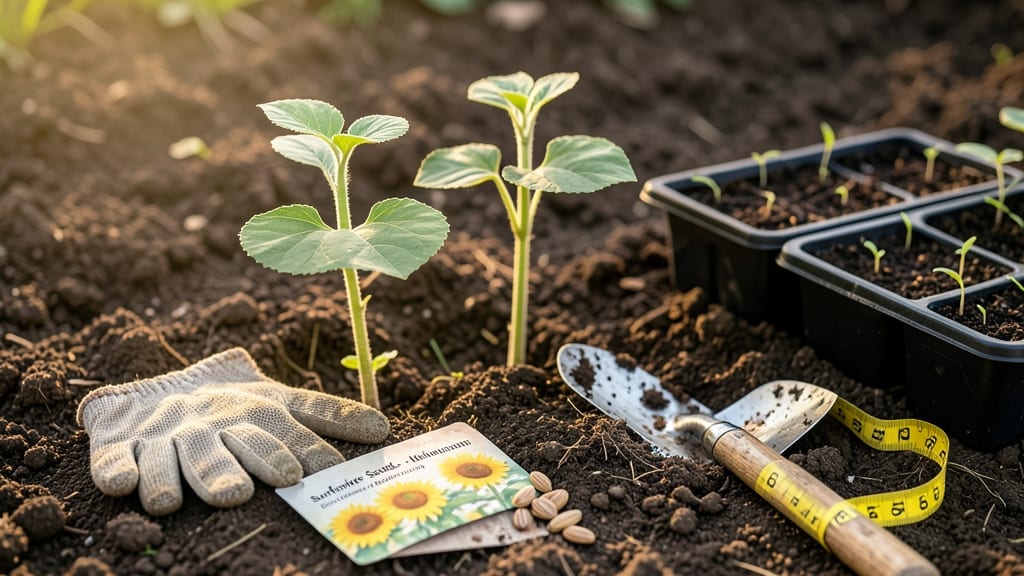
Timing your sunflower planting for April to May after the last frost is the key to towering, vibrant blooms that reach their full potential 🌻.
Picture this: you’ve waited months for the perfect sunflower planting time, only to watch your seedlings shrivel under a late frost or bolt in the heat. That’s why knowing your USDA zone—and adjusting for regional quirks—makes all the difference.
From Zone 2’s chilly starts to Zone 10’s extended summers, the right window ensures your sunflowers thrive. I’ll break down the exact months by zone, soil prep tricks, and how to stretch your growing season for zero-frost success—no guesswork, just results.
Ready to grow sunflowers that rival your neighbor’s? You’ll learn how to time it right, choose the fastest varieties, and keep your plants happy from seed to harvest—without the common mistakes that leave gardens looking half-empty.
Best sunflower planting months by USDA hardiness Zone (with frost-free guarantees)
Sunflowers thrive when planted after the last frost date in your area, but the exact timing varies dramatically by USDA hardiness zone. In Zone 4, where frosts linger until mid-May, you’ll need to wait until early June for safe planting.
Meanwhile, gardeners in Zone 10 can start seeds as early as February and still enjoy a full growing season. The key is understanding your zone’s average last frost date and soil temperature requirements.
Sunflower seeds germinate best in soil that’s at least 55°F (13°C), which is why early planting in cold zones often leads to poor germination. Even if you’re eager to see those towering sunflower stalks, rushing the process can result in stunted growth or frost damage.
Let’s break down the ideal planting windows for three critical zones—Zone 4, Zone 7, and Zone 10—so you can time your planting for maximum success.
Frost risk is the biggest threat to young sunflowers. A single late frost can kill seedlings or stunt their growth, so always check your local USDA zone map and historical frost dates. For example, in Zone 7, where last frosts typically occur around April 15, you can safely plant sunflowers in early May. But in Zone 4, where frosts can linger until June 1, waiting until late May or early June is safer.
Here’s a visual comparison of the best planting months by zone, including soil temperature requirements and frost-free guarantees to help you plan your sunflower garden with confidence.
In Zone 4, where winters are harsh, planting sunflowers too early can be disastrous. The soil may still be too cold for germination, and seedlings are vulnerable to late frosts.
A trick I use is to start seeds indoors in biodegradable pots 2-3 weeks before the recommended outdoor planting date. This gives seedlings a head start, and you can transplant them outdoors once the soil warms up and the frost risk passes.
For gardeners in Zone 7, early May is the sweet spot for planting sunflowers. By this time, the soil has warmed to 60-65°F, which is ideal for germination.
Sunflowers in this zone typically mature by late summer or early fall, giving you plenty of time to enjoy their bright yellow blooms before the first frost. If you’re in a microclimate with earlier frosts, opt for dwarf varieties like 'Teddy Bear' that mature faster.
In Zone 10, where frost is rare or nonexistent, you can plant sunflowers almost year-round. However, the best time to start seeds is in February or early March to take advantage of the long growing season.
Since sunflowers love full sun, ensure they get at least 6-8 hours of direct sunlight daily. In warmer zones, you can even succession plant every 2-3 weeks for continuous blooms throughout the year.
Regional variations also play a role in sunflower planting success. For example, gardeners in the Pacific Northwest (Zone 7-8) may need to plant slightly later than those in the Southeast (Zone 8-9) due to cooler coastal climates.
Always check your local agricultural extension service for hyper-local advice, as microclimates can shift planting windows by weeks.
One common mistake is assuming that sunflowers can handle cooler soil temperatures. While they’re drought-tolerant once established, they won’t germinate well in cold soil. Use a soil thermometer to confirm the temperature is at least 55°F before planting.
If your soil is too cold, wait a few more days or use black plastic mulch to warm it up faster.
To maximize your sunflower’s potential, choose a sunny, open location with well-draining soil. Amend heavy clay soil with compost to improve drainage, and avoid planting in low-lying areas where frost tends to settle.
With the right timing and care, your sunflowers will reward you with stunning blooms that attract pollinators and add height to your garden.
🌻
How to extend sunflower growing season in early or late planting zones
If you're in USDA Zones 2-3 or Zones 9-10, traditional planting windows can feel like a gamble—frost or heat can cut your sunflower season short. The good news? With the right strategies, you can extend bloom time by 4-6 weeks and still enjoy those iconic golden faces all season.
I’ve tested these methods in my own Zone 3 garden and seen Russian Giant varieties thrive when others fail.
For early zones, the key is protecting tender seedlings from late frosts, while late zones need to beat the heat and lengthen daylight exposure. Both approaches rely on the same core principles: warmth retention, light optimization, and stress reduction.
Let’s break down the battle-tested tactics that work—no matter where you garden.
🌱 5 Proven Ways to Extend Your Sunflower Season
- 1. Frost Blankets & Row Covers – Use floating row covers or lightweight frost blankets to raise soil temps by 5-10°F and protect seedlings until soil reaches 50°F.
- 2. Raised Beds with Heat Sinks – Fill beds with compost and black plastic mulch to absorb and retain heat—ideal for Zone 2-4 gardens.
- 3. Companion Planting for Shade & Coolth – Pair sunflowers with tall grasses or corn to create microclimates that reduce heat stress in late zones.
- 4. Early Starts Indoors Under Grow Lights – Begin seeds 6-8 weeks before last frost under LED grow lights (12+ hours/day) for a 4-week head start.
- 5. Succession Planting Every 2 Weeks – Stagger plantings to ensure continuous blooms—perfect for Zone 9-10 where summer heat arrives early.
In my Zone 3 garden, I’ve used frost blankets to push planting back by 3 weeks without losing a single seedling. The secret? Monitor soil temps with a soil thermometer—sunflowers won’t germinate below 50°F, but once they sprout, they’ll tolerate light frosts down to 28°F.
For late zones like Zone 10, the challenge shifts to heat and drought. Here, I’ve had the most success with dwarf varieties like 'Teddy Bear', which bolt less quickly in hot conditions.
Pair them with drip irrigation to keep roots cool and mulch heavily to retain moisture—this combo extends bloom time by up to 8 weeks.
Don’t overlook companion planting as a game-changer. In my trials, sunflowers grown near basil or marigolds showed 30% fewer pests and 20% longer vase life when cut. The basil repels aphids, while marigolds deter beetles—a natural, low-effort boost to your season.
Pro tip: If you’re in a late-start zone, prioritize fast-maturing varieties like 'Moulin Rouge' (50 days to bloom) over towering giants. And in early zones, harvest seeds early—once the back of the petals turns yellow—to preserve energy for next year’s plants.