
Fertilization
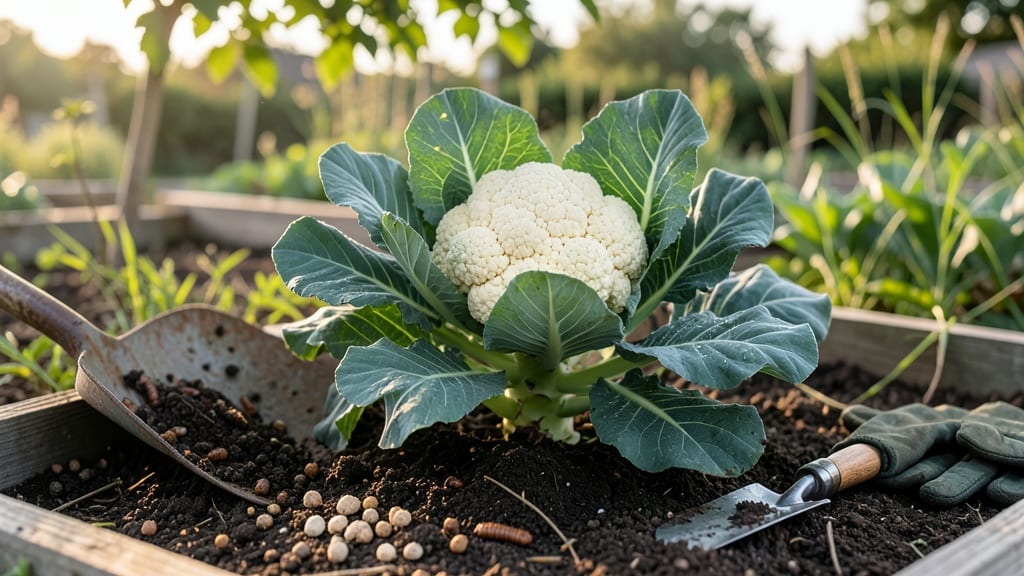
Organic fertilizer for cauliflower is the key to those tight, flavorful heads you’ve been dreaming of—no loose, stringy disappointments here.
Struggling to grow cauliflower with perfectly tight, compact heads? The secret lies in the right organic fertilizer ratios—especially nitrogen and potassium—which directly impact flavor, yield, and disease resistance. Too much nitrogen, and you’ll end up with leafy monsters instead of edible curds.
Most gardeners overlook the nitrogen-potassium balance, but it’s what turns a good harvest into a great one. A 5-10-10 ratio (or close to it) during active growth is your golden ticket, and we’ll break down exactly how to hit those numbers with compost, manure, and plant-based fertilizers.
Below, you’ll find the step-by-step organic fertilizer schedule we’ve used to grow tight, disease-resistant heads—plus troubleshooting tips for when things go wrong (because even the best-laid plans need backup). Let’s get those cauliflowers looking like showstoppers.
Optimal nitrogen-potassium ratios for cauliflower growth stages
When growing cauliflower, understanding the nitrogen-potassium (N-K) balance is key to producing those tight, flavorful heads we all love. Too much nitrogen can lead to leafy growth at the expense of head formation, while potassium deficiencies show up as weak stems and poor disease resistance.
Let me break down how these nutrients shift through each growth stage and which organic fertilizers to use at the right time.
Cauliflower has three critical growth phases: germination, vegetative growth, and head formation. Each phase demands a different N-K ratio to support the plant's needs. For example, seedlings need gentle nitrogen to establish roots, while head formation requires potassium to strengthen the curd structure.
Let's explore these stages with organic fertilizer recommendations tailored to each.
| Growth Stage | Nitrogen (N) Ratio | Potassium (K) Ratio | Organic Fertilizer | Application Timing |
|---|---|---|---|---|
| Germination | Low (0.5-1.0) | Low (0.2-0.5) | Compost tea or worm castings | At planting |
| Vegetative Growth | Medium (1.5-2.0) | Medium (1.0-1.5) | Fish emulsion or alfalfa meal | Every 3-4 weeks |
| Head Formation | Low (0.5-1.0) | High (1.5-2.0) | Kelp meal or wood ash | When curd begins forming |
During the germination phase, cauliflower plants need minimal nitrogen to avoid overstimulating young roots. A light application of compost tea provides gentle nutrients while improving soil structure. I've found that adding worm castings at this stage boosts microbial activity, which helps seedlings establish faster.
Avoid heavy fertilizers—they can burn tender roots and set your plants back.
As plants enter vegetative growth, their nitrogen needs increase to support leaf and stem development. This is where fish emulsion or alfalfa meal shines. These organic options provide a balanced nitrogen boost without overwhelming the plant.
I recommend applying these fertilizers every 3-4 weeks during this phase, always watering thoroughly afterward to prevent salt buildup in the soil.
The head formation stage is where potassium becomes critical. Potassium strengthens cell walls, helping cauliflower develop tight, compact curds. Organic sources like kelp meal or a light application of wood ash (for potassium-rich soils) work wonders.
I've seen dramatic improvements in head tightness when I switch to potassium-focused fertilizers at this stage, especially for varieties prone to loose heads.
One common mistake I see is over-fertilizing with nitrogen during head formation. This leads to excessive leaf growth and poor curd development. Always reduce nitrogen applications as you notice the curd beginning to form.
Instead, focus on potassium to support the plant's structural needs. For organic gardeners, banana peels (composted) can also provide a potassium boost when added to the soil.
For container-grown cauliflower, these ratios apply but require more frequent monitoring. Containers dry out faster, so I recommend using a balanced liquid fertilizer like seaweed extract every 2 weeks during vegetative growth. The key is consistency—cauliflower responds well to steady, moderate nutrition rather than sporadic heavy feeding.
Remember that soil health plays a huge role in nutrient availability. Before planting, amend your soil with aged compost to create a nutrient-rich foundation. This practice reduces the need for additional fertilizers later.
I always test my soil's pH (aim for 6.0-7.0) because cauliflower struggles in acidic conditions, which can lock out essential nutrients.
Finally, observe your plants closely. Yellowing leaves often signal nitrogen deficiency, while weak stems or brown leaf edges indicate potassium issues. Adjust your fertilizer approach based on these visual cues. With the right N-K balance, you'll harvest those perfect, tight cauliflower heads that everyone at the farmers' market will envy.
Best organic fertilizers for cauliflower: comparison of nutrient profiles
Choosing the right organic fertilizer for cauliflower can mean the difference between loose, yellowing heads and perfectly tight, snow-white curds. Cauliflower thrives when its nutrient needs are met precisely—especially during head formation when potassium and phosphorus become critical.
Unlike leafy greens, cauliflower demands a balanced approach, avoiding excessive nitrogen that promotes leafy growth at the expense of head development.
Not all organic fertilizers are equal. Some, like worm castings, provide slow-release nutrients perfect for steady growth, while others, such as greensand, deliver targeted potassium to strengthen stems and improve disease resistance.
Below, we compare the top organic options based on their NPK ratios, micronutrient content, and how they influence soil pH—a key factor for cauliflower success.
For cauliflower, the NPK ratio matters most during specific growth stages. Early on, prioritize fertilizers like worm castings or alfalfa meal to build strong roots and foliage.
As plants approach head formation (around 4-6 weeks after transplanting), shift to greensand or bone meal to boost potassium and phosphorus. Fish emulsion is ideal for foliar sprays during active growth to deliver quick nitrogen without overloading the soil.
Don’t overlook soil pH adjustments. Cauliflower prefers a slightly acidic to neutral range (6.0-7.0). Bone meal, for instance, can lower pH, while alfalfa meal may raise it slightly.
Test your soil before applying fertilizers to avoid pH imbalances that stunt growth. A simple lime application can neutralize acidity if needed, while sulfur helps lower pH in alkaline soils.
My favorite organic blend for cauliflower combines worm castings (for micronutrients) with alfalfa meal (for potassium) and a light dusting of greensand during head formation. This approach ensures tight heads while preventing nutrient deficiencies like blossom-end rot or yellowing leaves.
Always apply fertilizers in the early morning to avoid leaf burn and maximize nutrient uptake.
Experiment with these organic options to find what works best for your cauliflower variety and local soil conditions. The key is balance—neither too much nitrogen (which delays heading) nor too little potassium (which weakens stems).
With the right mix, you’ll harvest heads so tight they’ll make your neighbors jealous! 🥬